Acupuncture for Pain

There is a saying in Chinese Medicine, “If there is pain there is no free flow; if there is free flow there is no pain”.

Acupuncture for Pain:

Needling acupuncture points helps with pain as it has a direct effect on increasing blood circulation locally and in areas that are distal to (far from) the actual needle insertion due to nerve and vessel pathways. Additionally, the needles stimulate the nervous system to release chemicals into specific areas, including the muscles, spinal cord, and brain, which helps with healing and pain. The improved energy and biochemical balance produced by acupuncture results in stimulating the body’s innate healing abilities, and thus in reducing pain and promoting improved physical and emotional wellbeing.

In addition to helping heal and eliminate pain, acupuncture is recognized by the National Institute of Health (NIH) and the World Health Organization (WHO) to be effective in the treatment of:

  • Muscle, Bone and Nerve Pain and Disease
  • Joint Pain and Arthritis
  • Digestive Disorders, such as IBS, colitis, and reflux
  • Respiratory Disorders, such as asthma, sinus infection, cough
  • Immune Disorders, such as flu/cold symptoms, allergies, and lowered immunity
  • Circulatory Disorders
  • Dermatological Disorders, such as eczema, acne, and psoriasis
  • Gynecological Disorders, such as PMS symptoms, fertility treatments, menstrual pain, and menopausal syndrome
  • Emotional and Sleep Disorders, including anxiety and depression
  • Men’s Health
  • Addictions
  • Preventive Health
  • Acupuncture for back pain

History of Acupuncture:

At the center of Oriental Medicine is the concept that qi (pronounced “chee”), or life energy, flows through the body within acupuncture meridians. As long as qi is abundant and flowing freely, the body remains in balanced health, also known as homeostasis. When the qi flow is obstructed, it becomes backed up in one area of the body and restricted in another area. Learn more about Acupuncture »

At Denver Community Acupuncture, we offer affordable acupuncture so that everyone may benefit from it’s pain relieving and healing effects.

Denver Community Acupuncture is a woman-owned holistic health care clinic. We offer affordable holistic healing services including: affordable acupuncture, chinese herbal medicine, natural fertility treatments, naturopathy, cupping therapy, massage, natural skin care, Tibetan foot soaks, and counseling. Our holistic clinic is in the Highlands neighborhood in Denver near I-25 and Speer Blvd.

Contact us today at 720.855.3160 to find out how we can help.

Chinese Herbs and the Treatment of COVID-19: Part 3

A few days ago I got a panicked call from a close friend who works in a hospital. She had been sick for a few weeks with a progressing cough, which then started to cause a feeling of profound chest fullness and lung irritability. Worried about possible quarantine, she did not want to go to urgent care (it was the weekend), and yet she was afraid she might have COVID-19. We quickly went through her symptoms and she sent me a picture of her tongue (important in TCM diagnosis). I have a small granule herbal pharmacy at home, and so I made her up a formula, which her husband picked up that evening. It took some time, as herbs work on a different level than many OTC meds that are designed to provide immediate relief, but after1-2 days she was feeling significant improvement in her symptoms. Equally important, her stress levels had radically reduced. This is the kind of scenario that I feel many could benefit from in the use of Chinese herbal medical interventions to prevent the need for more advanced medical care, as we face growing numbers of COVID-19 cases in the coming months.

This is the third and final article in a series of three short articles to help people here in the United States understand the effectiveness of Chinese herbs in the treatment of especially mild to moderate symptoms of COVID-19, also knowns as SARS-CoV-2. These targeted herbal formulas can help you and your family avoid the need for more urgent medical care.

The first article provides a brief introduction to how Chinese herbs have been extensively used in China in the treatment of COVID-19, in over 85% of patients diagnosed with COVID-19 both locally in communities and in hospitals by the end of February 2020. It is my belief that this has contributed greatly to the low fatality rate in China. Chinese herbal formulas have been used specifically in the treatment of viral symptoms for centuries, in over 320 wide-scale epidemics that occurred over a 2000-year period. It is my opinion that Chinese herbal medicine is the most advanced system of herbal medicine in the world, with by far the most complex and targeted formulas designed to treat a range of viral symptoms at various stages of infection.

The second article discusses how Chinese herbal formulations work, and why it is not advised to use OTC or online herbal remedies based on general recommendations, but to seek the help of a qualified practitioner of Chinese herbal medicine.

In this final article we will look at specific herbs that have been clinically shown to actually block the entry of the COVID-19 virus into the host cells (your cells). However, it isn’t my intent to introduce these herbs so that you can search online and purchase them as “COVID-19 antivirals”. I cannot emphasize enough that this is not an effective way to treat this virus.

Rather, it is my intent to share with you that specific Chinese herbs have been clinically shown (in vitro and in animal studies) to actively restrain the virus from entering the host cells, and that including these herbs in formulas that treat actual presenting symptoms is a potentially potent method of fighting early to mid stage COVID-19 symptoms before they ever get out of hand. (Note: If you have a cough and are noticeably short of breath it is recommended that you immediately contact your physician for more urgent medical care.)

I want to reiterate that most antiviral (and antibacterial) herbs in Chinese medicine are cold and bitter, and can easily cause harm to the digestive function if taken alone and over a period of time. This harm to the digestion can cause a build up of fluids we call “Damp” in Chinese medicine, and can be identified through such signs as a swollen tongue with “teethmark” edges. This buildup of fluids is not desirable in the event of contracting COVID-19, as it will contribute to the buildup of fluid in the lungs that is so problematic with this particular virus. Thus, these antiviral herbs are not meant to be used as a preventive by themselves, nor to be taken as individual herbs at onset of infection, but rather are used within a formula that is tailored to the patient’s current condition.

That being said, let’s take a look at six herbs being used extensively in China in the treatment of COVID-19. Five of them are directly antiviral, and the sixth supports immune function. I am providing the Chinese name in Pin Yin, followed by the latin name in parentheses. You can also check out the website American Dragon, which is the best online source I have found for accessing detailed descriptions of both single Chinese herbs and Chinese classic herbal formulas.

Please note that one of the most fascinating and powerful aspects of using herbs is that many of them have broad spectrum anti-microbial action. What this means is that they are often antiviral, antibacterial and often antiparasitic, but that certain herbs are stronger in one of those categories than others. While the following herbs are ALL antiviral, they also have significant antibacterial properties that are highly useful in preventing the secondary infections so common in viral illness.

Jin Yin Hua (Fl Lonicera japonica). Jin Yin Hua is usually combined with an herb called Lian Qiao (Fr Forsythiae), both of which contain substantial antiviral activity. The two are used together in a common 10-herb classical formula called Yin Qiao San, used for early stage viral illness with symptoms such as sore throat and headache. (Yin Qiao San is the basis of common OTC remedies such as Cold Snap that may be purchased at many health food stores in the United States.) Jin Yin Hua has broad spectrum inhibitory effect against multiple strains of Staph, Salmonella, Pseudomonas, and Mycobacterium, and has shown significant antiviral activity against the influenza and coxsackie virus. Of 21 herbs tested, Jin Yin Hua showed the highest ability in vitro to inhibit SARS-CoV replication at non toxic doses; many of the other herbs required a high concentration to exhibit the same effect.

Ban Lan Gen / Da Qing Ye (Rx/Fm Isatidis). Ban Lan Gen and Da Qing Ye are the root and leaves respectively of the Isatis plant. These two herbs can be added to formulas either individually or together to dramatically strengthen the antiviral action of the formula. Ban Lan Gen is used in a common 6-herb formula called Gan Mao Ling for early stage colds and flu symptoms that is sold in many health food stores. Very cold and bitter in nature, both Ban Lan Gen and Da Qing Ye are strong antivirals, and also exert anti-inflammatory and antibacterial effects. They have been shown to exert antiviral effect against multiple strains of influenza virus including avian influenza, Japanese encephalitis, herpes simplex, hepatitis B, human cytomegalovirus, and coxsackie virus. Both Ban Lan Gen and Da Qing Ye directly inhibit the enzyme activity of the SARS (SARS-CoV) function.

Yu Xing Cao (Hb Houttuyniae) Yu Xing Cao is an interesting herb in the “Clear Heat Toxins” category in Chinese medicine, which means it has strong antiviral, antibacterial and anti-inflammatory activity. It is used in many formulas that treat infection in the respiratory tract such as bronchitis and pneumonia, as well as infection in the gastrointestinal and urinary tracts such as dysenteric diarrhea and urinary tract infection. It has shown broad spectrum antiviral effect against multiple influenza strains, herpes, and HIV. Yu Xing Cao has shown some of the strongest antiviral activity against the SARS virus, exhibiting significant inhibitory effect (preventing entry in the host cell), and increasing the proliferation of lymphocytes, important white blood cells in our immune function. Since an inhibition of lymphocytes is a key feature of COVID-19, this is an important herb to include in formulas.

Xiang Chun Ye (Fm Toonae Sinensis). This is a relatively obscure herb in the Chinese materia medica, and is not found in many classic herb formulas. Xiang Chun Ye clears inflammation from the lung and helps treat cough; it also clears “Heat Toxins” (inflammation often with exudate and/or pus caused by viruses and bacteria). Xiang Chun Ye contains a compound called TSL-1 that selectively binds to SARS-CoV to inhibit cellular entry of the virus into host cells, thus inhibiting its replication in the body. This herb was found to be the single most effective herb to eliminate COVID-19 (SARS-CoV-2).

Wu Bei Zi (Galla Chinensis) This is a multifaceted herb with the potential to treat COVID-19 on many levels. While cold in nature like most other strong antiviral herbs, Wu Bei Zi does not damage digestion, and can be used to help resolve both chronic cough and chronic diarrhea. It also helps to “consolidate Kidney Jing” in Chinese medicine, which means it can help with the recuperation and recovery stage of illness, when someone is wiped out and exhausted. Wu Bei Zi has shown antiviral activity against Epstein-Barr and HIV, by interfering with the entry of the virus into the host cell. Wu Bei Zi contains two compounds called TGG and Luteolin that have been identified to exhibit prominent anti-SARS viral activity; that is, they bind avidly with the surface spike protein of SARS virus and thus interfere w/ entry of virus to host cells.

Huang Qi (Rx Astragali) Many people are familiar with the very popular Astragalus herb–the root of which has been boiled into teas and steeped into tinctures and wines for many centuries for its celebrated medicinal properties. There is a reason for its popularity: the administration of Huang Qi, which translates into “Yellow Emperor” or “Yellow Leader” indicating its superior class within the realm of herbs, has been shown to strongly strengthen the immune system. Huang Qi has been shown to promote the production of T cells (critical in the activation of the immune system in fighting infection), and activation of B cells (the part of the immune system associated with antibodies and immunological memory).

Huang Qi in Chinese medicine is said to “tonify (strengthen) the Qi (life energy), tonify the Wei Qi and consolidate the exterior (strengthen life force related to immunity or preventing pathogens from entering the body), regulate water circulation and reduce edema, relieve numbness and pain, and promote the discharge of pus and generate flesh”. You can see why this herb could be added to formulas in many stages of the treatment of COVID-19!

Huang Qi is one of three key herbs in the formula Yu Ping Feng San also known as Jade Windscreen, which is sometimes sold at health food stores in the United States. This formula is frequently used in the treatment of mild seasonal allergies, and in the prevention of seasonal allergies. It has also been heavily used combined with other herbs in prevention formulas provided to hospital workers in China both for the current COVID-19 outbreak, as well as SARS back in 2003.

In conclusion, my love of Chinese herbs and appreciation especially for the incredible precision of Chinese herbal medicine began back in the late 1990s when I took a two-year certification course in Chinese herbal medicine under the instruction of a brilliant if highly unconventional teacher up north of Missoula in Montana who happened to also have a PhD in biophysics from MIT. The two year course was a happy combination of learning traditional Chinese herbal principles combined with a connection to modern science that gave me a deep and abiding respect for this medicine. We had to purchase a pound each of the over 150 most common single herbs that we studied in depth (the entire materia medica is composed of well over 1000 herbs) . We boiled up each herb into a tea according to its unique instructions, and learned to make formulas ourselves based on signs (tongue and pulse diagnosis) and symptoms; in doing so we developed an intimate relationship with each plant and its qualities.

The gifts of being able to use Chinese herbal medicine for years in the treatment of myself, my family and my patients ever since have been incalculable. As a direct result of properly applied herbal medicine, no one in my family has had to use antibiotics in the last decade, apart from my daughter getting a septic infection from an ear piercing (she was a chronic finger sucker at the time).

One of my greatest frustrations has been the lack of understanding about the proper use of herbs in the American public. This includes the many times I have seen people unfamiliar with, and thus unwilling to make use of, the tremendous health benefits that herbs can provide. Part of this unwillingness has been fed by the plethora of readily available herbal supplements and products flooding the health industry, with people self-prescribing with little to no understanding of the intricacies of herbal medicine. “Herbal medicine didn’t work for me,” they might say. Of course it didn’t work–it takes many years to understand how to use herbal medicine properly and in a way that will consistently see results. Traditional Chinese herbalists in China are considered doctors of Chinese Medicine, and intern for years in hospitals. They do not practice acupuncture; they focus only on Chinese herbal medicine.

I have had patients come in after multiple rounds of antibiotics and steroids from a bout of pneuomonia or sinus infection, still coughing or congested after weeks and even months–but unwilling to try the Chinese herbal teas that would bring them to wellness within a matter of days to a few weeks. I just shake my head helplessly; how can I help them to understand? I have thought to myself on countless occasions how dramatically we would reduce our heavy dependency on harsh OTC medications or prescriptions if only we were able to regain the wisdom of our herbal science traditions–Ayurvedic and Traditional Chinese being the two by far most developed.

If you took the time to read this series of three articles, I hope you now not only have a better understanding of the great potential of Chinese herbs in the prevention and treatment of COVID-19, but also realize that the best way to utilize Chinese herbs is under the care of a qualified TCM practitioner. But don’t stop with this realization alone; take action! The BEST time to schedule an herbal consult is before you have viral symptoms, so that we can start to treat you for any imbalances in your contitution; otherwise, reaching out to us as soon as viral symptoms emerge is the next best option. Schedule an appointment with us today so we can tailor Chinese herb solutions for you and your family to arm yourself in the fight against COVID-19.

At Denver Community Acupuncture we are offering:

Chinese herb consults by teleconference that you can schedule Monday through Thursday with either Kate or myself. You can schedule yourself or a family member in either directly through MindBodyOnline if you are a return patient, or send us an email and we will schedule you in: info@denveracu.com.

Chinese herbs can be picked up at Denver Community Acupuncture either during apothecary hours, or outside the clinic from our lockbox outside apothecary hours. Apothecary Hours (until DCA re-opens): Tuesday, Thursday, Saturday 11am – 1pm

Disclaimer: The above article is the professional opinion of Darcy Greenwald, MSOM, L.Ac, and the statements have not been approved or verified by the FDA, or other US federal or state health agencies.

Recovering Your Sleep: 7 Surprising Solutions

When patients come in seeking relief from chronic insomnia, unfortunately immediate relief can be rare. Chronic sleep issues tend to be quite complex and are frequently stubborn in turning around, often requiring some careful detective work. Despite this, there is light at the end of the tunnel! If you and your practitioner can work together to ferret out the main underlying cause (or causes), together you can set a path that should move you toward significantly improved sleep. I always tell my patients while they shouldn’t rule out sudden miracles, not to expect them; regaining deep and restful sleep is typically a journey rather than a permanent destination. However, the vast majority of people will see solid and much welcomed change over time.

In this article I’m not going to get into some of the more typical recommendations for sleep, such as making sure your room is dark, not watching screens before bed, making sure your phone is in airplane mode, etc. Most people are well aware of these tips, which are also readily available with a quick internet search. Instead, here are seven of the most common causes of stubborn insomnia that may be less well known. Each issue contains its own particular solution or solutions.

1) Chronic stress. This is probably the biggest cause of insomnia, and is not a surprise for many. A study from the American Psychological Society in 2013 found that “half of all millennials are so stressed out that they can’t sleep at night, and 39 percent of millennials have stress levels that have increased in the past year”. Most are aware that chronic and deep seated stress and even stressful habits (such as those who are workaholics, who just don’t take the time to intentionally incorporate some relaxation or calm moments into their day) will typically wreak havoc on sleep over time. However, I wanted to explain the very real physiological damage that occurs with long term stress, which often helps people to be more motivated in making lifestyle changes.

When you are stressed, your adrenal glands produce two hormones called cortisol and adrenaline to help you cope with the stress. I’m not going to discuss the downside of the excess production of adrenaline at this time (which is more associated with headaches, anxiety and panic attacks), but you should be aware of the very real negative long-term effects that excess cortisol has in your body. We see the side effects in patients on a daily basis.

Not only does cortisol raise your blood pressure and blood sugar, shunt your circulation out of your digestive organs and into your muscles (so you can “run from the bear”), and suppress the immune system, but cortisol acts on your central nervous system by changing the electrical activity in the limbic and hippocampus (important areas of the brain that regulate our emotions, memory, and sleep). This can not only decrease REM sleep and increase time awake, but it can lead to mood swings and memory loss. Long-term accumulated effects of excess cortisol production thus include elevated blood pressure, insulin resistance and problems regulating blood sugar leading to chronic weight gain and possibly diabetes, digestive disorders of all kinds, immune system challenges, mood disorders, and chronic insomnia.

It’s doubly unfortunate that most people who are chronically stressed and tired from lack of sleep, will typically reach for the caffeine, sugar and alcohol on a regular basis. Caffeine, alcohol and sugar significantly weaken your adrenal glands, creating a “catch-22” over time, and after a number of years lead directly to a state of adrenal exhaustion. This is a dangerous state that can require a great deal of time to recover from, and indeed, there are those who never fully recover and live chronically in states of semi exhaustion and fatigue. In this condition, chronic inflammation can become the norm, with painful muscles and joints, autoimmune illness, and other degenerative disease conditions taking over.

Solution: SLOW DOWN, adopt lifestyle habits that work relaxation, calm and “smelling the roses” into your day, and drastically limit or ideally cut out caffeine, sugar and alcohol. There is just no way around it, if you want to live an optimal life, free of pain, illness, and poor sleep.

2) Low Blood Sugar. As I stated above, blood sugar can be significantly affected by stress levels. You can “crash” after a period of stress in exactly the same way you crash after too much coffee. However, unrelated to stress, many people also have genetically determined hypoglycemia that is unrelated to stress, a condition that results when blood sugar levels drop below a certain level. This causes a variety of symptoms including clumsiness, difficulty talking, confusion, feelings of hunger, sweating, weakness and shaking. In extreme cases, a person may experience loss of consciousness, seizures, or death–and this is precisely why the body takes this state very seriously. If you are someone who is hypoglycemic, you will typically not be able to miss a meal easily, and may often carry snacks with you throughout the day. You will already have discovered that fasting isn’t for you. I believe “hangry” is now a dictionary term, which perfectly describes this condition!

But how does this affect sleep? People who are hypoglycemic may experience a sudden drop in blood sugar in the middle of the night–especially if they ate a number of hours before they slept. This will cause their body to go into a state of panic, and wake them up–the body’s way of prompting them to eat. This is a typical pattern in those who fall asleep just fine, but then wake up suddenly in the night–and yet aren’t particularly stressed.

Solution: People with this condition can either make sure they eat a high fat and/or protein snack before bed, or keep a snack by their bed at night and eat a little if they wake up.

3) Hormones. In many women, hormones are a huge contributor to sleep quality. Many women will tell you that they stop sleeping well a week before they get their period. It is even more common for women in their mid to late forties (and sometimes even sooner) who are hitting perimenopause to start experiencing poor quality sleep. During this time as egg quality and quantity start to diminish, many women will start to experience annovulatory cycles, or cycles when they are not ovulating. This causes a drop in progesterone levels especially during the second half, or luteal phase, which can cause cyclic problems with sleep. Women may have several months where they don’t sleep well, followed by some months when they are better. In some women, the insomnia can become quite severe during this time. It can also continue and even worsen as women transition into full-blown menopause.

Solution: Fortunately, there are a variety of solutions that women can try that can work quite effectively. There are some excellent Chinese and Western herbal formulas that I have used on many women successfully to improve poor sleep related to hormonal changes. This includes younger women who typically have sleep troubles during their premenstrual phase. If the herbs still are not working, I will often refer to a biohormone specialist, who can then help her come up with a delivery system for estrogen and progesterone that she can use during her transition phase, which can take a number of years. OTC progesterone cream is also an option for some women, but should only be taken if a woman is still getting a period during the luteal phase (second half) of the cycle. It is always much better to work together with a qualified professional than attempt biohormone replacement therapies alone.

4) Urinating in the night. This can be an issue particularly for older patients, but occasionally can be seen in younger patients as well. Many people will wake to urinate and then quickly go back to sleep. While this isn’t ideal–because it is obviously more restful for your body to sleep through the night–it can be fine for many years. However, there are those who wake to urinate, and then frequently either take a long time to get back to sleep, or never get back to sleep at all. In this case, some experimentation needs to be done to try and figure out how to reduce the nightly urination.

Solutions: This condition can be tricky and in some cases just too challenging to treat. The obvious immediate experiment to try is limiting all fluids after 5pm, or at least 4-5 hours before bed. It typically takes 2-3 hours for a liter of water to be excreted through the bladder. Typically people have already discovered this solution for themselves if it works.

In older people typically age 70 and up, there is a Chinese medical condition called Kidney Yang Deficiency which can cause nighttime urination. This is actually a worsening of the kidney function due to advanced age, which then affects the hormone aldosterone, which plays a role in the retention of salt and water in the body. In this case there should be other symptoms present to corroborate the diagnosis, such as a tendency to feel cold, chronic weakness and soreness in the low back and knees, and sometimes diarrhea and very loose stools in the early morning or upon rising. If this is the case, then Chinese herbal formulas that address Kidney Yang Deficiency can help.

Especially in women after childbirth, the ligaments holding the bladder in place, and in the general pelvic region can become weak, and even in extreme cases prolapse with time. This can cause varying levels of incontinence or trouble holding the bladder. In this situation, I will usually recommend something called pelvic physical therapy, which provides exercises that strengthen these ligaments and help to regain stronger function. We do also have Chinese herbal formulas that work well to support recovery from prolapsed organs.

Finally, urinating in the night can be a critical red flag for sleep apnea, a condition where a person can stop breathing as often as several times a minute during the night. Just as plummeting blood sugar sets off the body’s panic alarm, so does sleep apnea. A common response to panic for the body is the sudden strong urge to urinate. (People with sleep apnea commonly also snore, but not always.) I almost always refer people who I suspect may have sleep apnea to a doctor or specialist for diagnosis and treatment. Sleep apnea is a serious condition with long term detrimental side effects. To read more about it, check out my article here.

5) Sleep apnea. I already discussed this above, but I wanted to include it in its own category.

6) Histamine Intolerance. This condition is less well known, but can be an important primary or contributing cause of insomnia in susceptible individuals. Most of us are familiar with the word “histamine” because of our familiarity with a number of medications that are “antihistamines”, or medications that treat allergies such as Zyrtec or Allegra. Most people don’t realize that most of the over the counter sleep aids also use antihistamines, such as Unisom, Zzzquil or Nyquil.

What is histamine? Histamine is an pro-inflammatory compound released by white blood cells called mast cells as a response to injury and infection (especially as a response to allergens). The presence of histamine in your sinus and nasal pathways, for example, is why your sinuses get congested and your nose starts to run when you have allergies. They play an important role in regulating immunity and inflammation. Unfortunately, some individuals have a genetic mutation of the enzymes that degrade histamine in the body, leading to a chronic buildup of excess histamine in the body and the condition known as “histamine intolerance”. (There is also a more serious autoimmune condition called mast cell activation disorder.)

Mast cells are found in almost all tissues of the body, with high concentrations in the skin, gut lining, lung and heart, blood vessels, and a very high concentration in the brain and central nervous system. Symptoms of histamine intolerance include skin flushing, hives, headaches and migraines, digestive symptoms like diarrhea, eczema, anxiety, and allergic rhinitis. Histamine intolerance can also cause more serious symptoms like asthma attacks, anaphylactic shock, heart irregularities, and Crohn’s disease.

Within the brain, histamine actually plays a large role in regulating the cycle of sleeping and waking, and has an impact on our circadian rhythms or “biological clock”. Insufficient histamine can lead to excessive somnolence or sleeping, and an excess amount can lead to insomnia–common in individuals who suffer from histamine intolerance.

Solutions: If you suffer from insomnia and you are also someone with frequent allergies, or if you frequently suffer from some or many of the symptoms listed above, it would be advisable to look into the possibility that you are histamine intolerant. While taking over the counter antihistamines might seem like a simple solution (and indeed may provide relief), a number of clinical studies have found that long-term use of antihistamines predispose individuals to dementia or Alzheimer’s.

The best treatment for an excess of histamine is actually through regulating your diet. Many foods contain high levels of histamine, including avocados, fermented foods like kombucha and sauerkraut, aged cheeses, bone broth, tomatoes, and alcohol. Reducing or eliminating some or the majority of these foods can make a significant difference in someone with histamine intolerance. (You can think of it as filling up a bucket with histamine. When you overflow the bucket is when the symptoms emerge. So you need to keep your dietary intake to a place where the symptoms remain under control. This can take a certain amount of self-experimentation.)

Unfortunately, there is a lot of misleading and conflicting information on the internet as to which foods to avoid. I highly recommend starting with The Beginner’s Guide to Histamine Intolerance by Dr Janice Joneha, who spent a number of decades researching and treating this condition. Reducing your overall histamine intake and especially avoiding those foods close to bedtime should help to improve sleep length and quality.

Finally, there are also some natural antihistamine supplements you can explore, such as quercetin, or D-Hist (available through our DCA apothecary).

7) Electromagnetic radiation. Last but certainly not least, I think we all underestimate the effect that electromagnetic pollution is having on our environment, and also on our sleep. Electromagnetic radiation is the kind of radiation that emanates from visible light, but also radio waves, gamma waves, and X-rays. It emanates from all your electrical, computer and cell phone devices, from power lines and wifi. Especially if you live in a city, but even if you are close to a cell phone tower, you are being continually barraged these days with electromagnetic radiation.

This actually ties in very closely with the first cause I listed here–stress. Electromagnetic radiation today is causing a great deal of continual physiological stress on cellular level that I believe is causing a great deal of physical harm and damage. There have been a number of studies linking childhood leukemia to living near high voltage power lines. Other studies have shown direct continual oxidative damage (free radical damage) to human tissues during prolonged exposure. The more I look into and research this–the more concerned I become. Indeed, the United States has really lagged behind in this critical research. Schools worldwide, initially led by France, have starting banning wi-fi in kindergarten, and reducing wifi within schools in general. The “birth” of 5G has increased this risk exponentially.

Solutions: If you want to look more deeply into ways to reduce your home and office electromagnetic exposure, there are luckily many good resources out there, such as this one on Amazon. Obviously, keeping all cell phones away from your bedroom, and turning off your home wifi system every night is at least a start. I took a risk and bought a device from Germany called G Waveguard, and immediately started sleeping much better after I installed it. This is unfortunately uncharted territory, but I believe the more you seek to find solutions, the better for yourselves, your family, and your pets.

It should go without saying that regular acupuncture is also a wonderful support for sleep! When people are coming in for insomnia, I usually recommend a series of at least weekly acupuncture for 2-3 months, tapering to biweekly then monthly once good improvement is made. Acupuncture reduces stress and inflammation, balances hormones, promotes improved central nervous system function, and balances the body electromagnetically.

Chinese Herbs in the Treatment of COVID-19: Part 2

This is the second in a series of three short articles to help people here in the United States understand the effectiveness of Chinese herbs in the treatment of especially mild to moderate symptoms of COVID-19, also knowns as SARS-CoV-2. (If you haven’t read the first introductory article, you can read it here.) These targeted herbal formulas can help you and your family avoid the need for more urgent medical care. My aim today is to provide people with a brief overview of how Chinese herbal formulas work in the treatment of viral illness. In the final article we will discuss particular herbs that actually block the entry of the COVID-19 virus into the host cells (your cells).

Did you know that Chinese herbal medicine has been heavily utilized in most patients in China with COVID-19? In fact, by the end of February more than 85 percent of patients in China who were diagnosed with COVID-19, or approximately 60,000 people, had received Chinese herbal medicine along with Western medicine treatments. Chinese herbal medicine was used extensively both in local communities to successfully prevent the need for more intensive medical care, and in hospitals combined with Western medicine treatments.

Not only that, but Chinese herbal formulations are routinely given to medical practitioners in hospitals all over China to prevent COVID-19 infection. Studies conducted during the SARS epidemic in 2003 showed that taking Chinese herbs provided a clinical advantage in preventing contraction of the disease in medical practitioners at the time.

Here in the United States, Traditional Chinese medicine (TCM) practitioners have been researching what specific antiviral herbs target COVID-19 (and there are several that perform very well here). There has been much communication with TCM doctors in China over which formulas have brought the best outcomes in both the prevention and treatment of COVID-19 symptoms. But why should you consider using them? How do Chinese herbal formulas differ from other OTC herbal remedies and supplements?

First, you need to know that herbs–and especially Chinese herbal formulas–can be very effective if used correctly; however people can often do more damage than good attempting to self treat with OTC herbal remedies. I’ll give an example. People are rushing to buy herbs and supplements which have “antiviral” properties, such as oregano oil, echinacea, or olive leaf extract. However, it is well known in Chinese medicine that most antiviral herbs are very cold and bitter in nature. What this means, is that if you take them by themselves without combining them with other protective herbs, and especially over an extended period of time, then you will damage your digestion. This damage causes a buildup of what we term “Damp” in the system, which can critically aggravate the respiratory symptoms that go along with COVID-19. This is especially true for people who have pre-existing digestive issues; however, anyone is susceptible.

The Chinese materia medica includes many herbs that are potently antiviral and antibacterial, but they are never used alone; they are combined with other herbs depending on symptom presentation. There are strong Heat-clearing herbs for fever and inflammation; herbs that clear Damp and Phlegm and target nasal, sinus, bronchial, lung, and inner ear congestion; herbs that “descend Lung Qi” and treat cough or asthma and difficulty breathing; herbs that “clear Toxins” or clear out by-products produced from the body’s own immune system battling viruses or other pathogens; herbs that target the gastrointestinal system and treat nausea, loss of appetite and diarrhea caused by viral or bacterial attack; and herbs that protect and strengthen the immune system so that the body can fight harder, called “Wei Qi” in Chinese medicine.

Most critically, a good Chinese herbalist will understand the constitution of their patient, and devise formulas that combine herbs that treat symptoms of the viral illness together with herbs that help to address any pre-existing conditions that jeopardize their ability to fight off the virus. That could be an underlying weakness, such as immune or digestive weakness, or it could be what we call an excess condition, such as too much Heat (inflammation) in the system, or too much Damp and Phlegm.

Do you think the pandemic phenomenon of COVID-19 is a brand new one? Of course not! Chinese herbal medicine includes a long history of battling 320 large-scale epidemics over a 2000 year span of time. Over this long period, specific herbs were identified that were antiviral, termed “Wind Heat”, “Wind Cold”, and “Toxins”. Though the Chinese at the time could not identify a virus or a bacteria under a microscope, they recognized that there was a force entering the body like “Wind” that then moved erratically causing symptoms that rapidly came and went. They used the term “Heat” to describe hot inflammatory symptoms such as fever and sore throat, and the term “Cold” to describe symptoms such as chills and feeling cold, as well as the congealing of thick phlegm and mucus. “Toxins” referred to a class of herbs they identified that directly treated viral or bacterial infection.

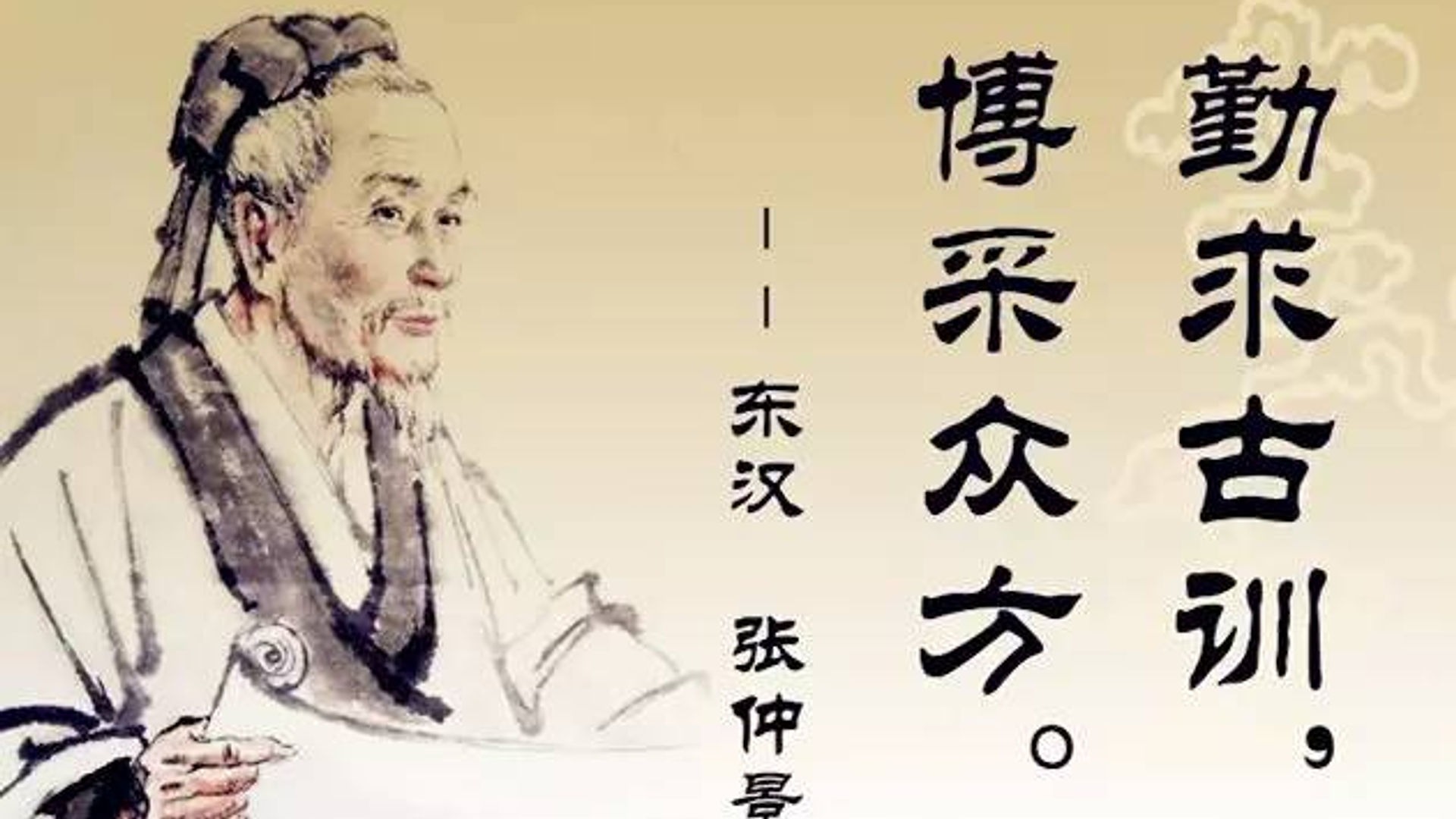
The herbs that addressed “Wind Heat”, “Wind Cold” and “Toxins” were combined into elegant formulas that targeted symptoms identified during different stages or phases of illness. The Shang Han Lun, written 1800 years ago by a doctor named Zhang Zhong Jing, identified six stages of progressive viral illness and devised herbal formulas to treat each stage, that could be modified according to an individual patient’s constitution. Symptom clusters within the first three stages we all can easily recognize:

Early Stage Wind Heat or Wind Cold (Taiyang): low grade or no fever, aversion to cold, sneezing, runny nose, nasal congestion, headache, sore throat, muscle aches, and fatigue

Mid Stage (Yang Ming): moderate to high fever, dry cough or barking cough with or without phlegm expectoration, very sore and dry throat

Intermittent “Stuck” Stage (Shao Yang): alternating chills and fever worse in the afternoon, bitter taste in the mouth, chest and ribside fullness, irritability, nausea or vomiting, no appetite, weakness

We are still experiencing these same symptoms of early to middle stage viral illness today, and the same herbal formulas work just as successfully to treat them as they did centuries ago. Most COVID-19 symptoms are identical to those of the run-of-the-mill cold and influenza variety, but especially emphasize herbal formulas that open up the chest, clear Damp and disperse Lung Phlegm. People who end up in the hospital from COVID-19 often end up on ventilators because their lungs are so inflamed that they fill with a thick, proteinaceous fluid that they cannot cough up, which then causes acute respiratory distress (and ultimately multiple organ failure due to lack of oxygen supply). Chinese herbs can address early symptoms that lead to this unhappy outcome, but even in later stages can be used to actively reduce this inflammation and fluid build-up.

Hopefully you now not only have a better understanding of the great potential of Chinese herbs in the prevention and treatment of COVID-19, but also realize that the best way to utilize Chinese herbs is under the care of a qualified TCM practitioner. But don’t stop with this realization alone; take action! The BEST time to schedule an herbal consult is before you have viral symptoms; otherwise, reaching out to us as soon as viral symptoms emerge is the next best option. Schedule an appointment with us today so we can tailor Chinese herb solutions for you and your family to arm yourself in the fight against COVID-19.

At Denver Community Acupuncture we are offering:

  • Chinese herb consults by teleconference that you can schedule Monday through Thursday with either Kate or myself. You can schedule yourself or a family member in either directly through MindBodyOnline if you are a return patient, or send us an email and we will schedule you in: info@denveracu.com.
  • Chinese herbs can be picked up at Denver Community Acupuncture either during apothecary hours, or outside the clinic from our lockbox outside apothecary hours. Apothecary Hours (until DCA re-opens): Tuesday, Thursday, Saturday 11am – 1pm

Disclaimer: The above article is the professional opinion of Darcy Greenwald, MSOM, L.Ac, and the statements have not been approved or verified by the FDA, or other US federal or state health agencies.

Chinese Herbs in the Treatment of COVID-19: Part 1

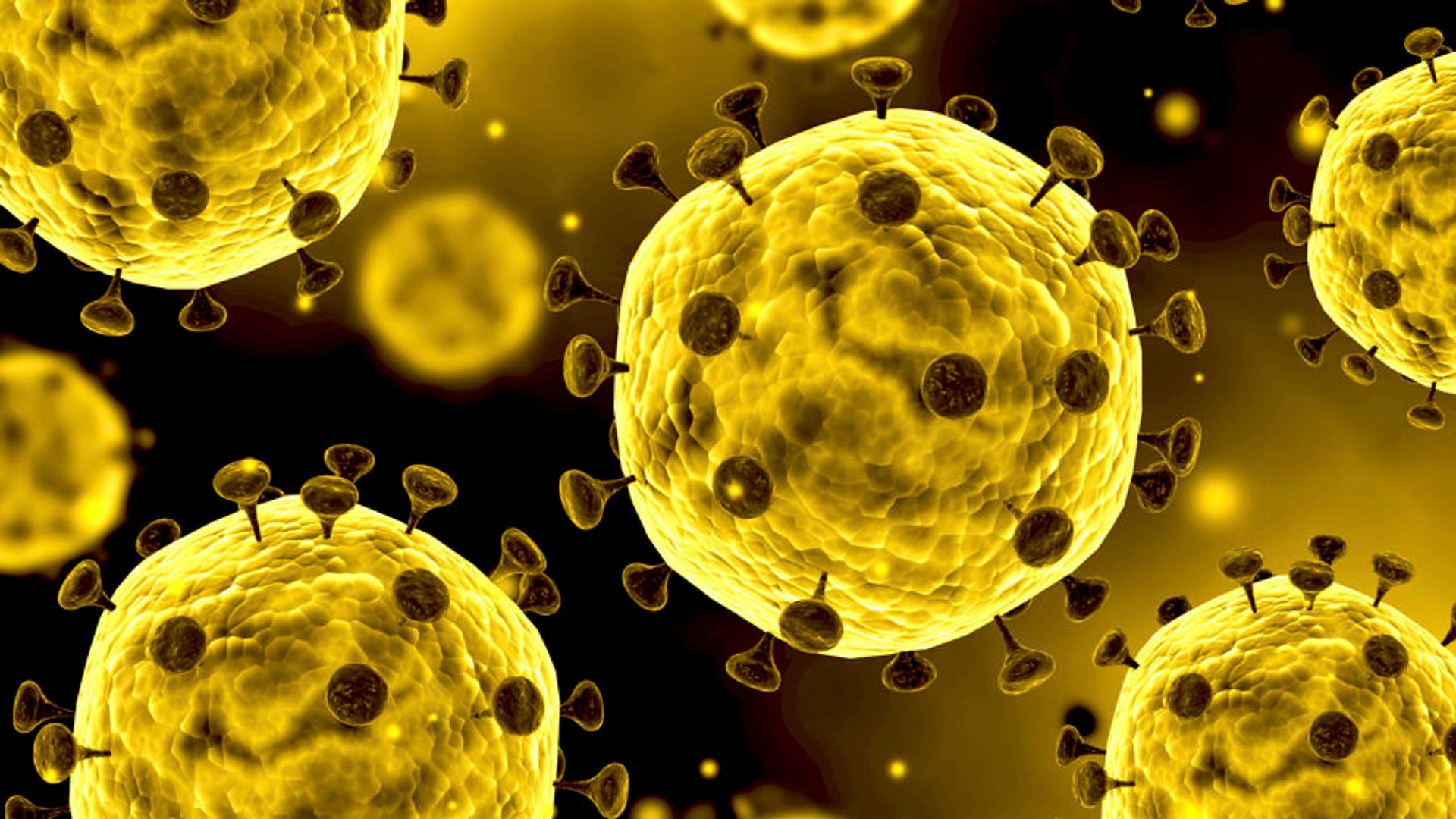
This is the first in a series of three short articles to help people understand the effectiveness of Chinese herbs in the treatment of especially mild to moderate symptoms of COVID-19, the coronavirus otherwise known as SARS-CoV-2 that is currently bringing the world to its knees. My aim is also to provide people with an overview of how Chinese herbal formulas work in the treatment of viral illness; people can often do more damage than good attempting to self treat with OTC herbal remedies. As far as Western medicine goes, we are under the impression that we have little hope beyond some promising preliminary antimalarial and antiviral medications, and a distant future vaccine, that stand between us and a real “cure”. But, here are two facts with which you may be completely unfamiliar:

FACT 1: Did you know that as of late February 2020, Chinese herbal medicine has been utilized in most patients in China with COVID-19? In fact, more than 85 percent of patients in China who were diagnosed with COVID-19, or approximately 60,000 people, received Chinese herbal medicine along with Western medicine treatments. Chinese herbal medicine was used extensively both in local communities to successfully prevent the need for more intensive medical care, and in hospitals combined with Western medicine treatments.

During the time period from late November 2019 when the virus first surfaced until now, there has been a significant amount of data collected about the treatment of COVID-19 symptoms with Chinese herbal formulations–so much so that they prominently appear in not only the first but a second edition of a manual recently produced in the People’s Republic of China entitled “Guidance for Corona Virus Disease 2019: Prevention, Control, Diagnosis, and Management”. Wouldn’t it be wonderful if we heard more about these types of investigative reports in the media?

FACT 2: There were at least 320 large-scale epidemics in China between the Eastern Han and Qing Dynasty, a period of time lasting roughly 2000 years. During this time precise and detailed systems of treating clusters of viral symptoms in progressive stages with targeted herbal formulas were created and recorded in such classics as the 1800 year old Chinese medical text on externally contracted diseases by Zhang Zhong Jing called the Shang Han Lun, and Treatise on Epidemic Febrile Diseases or Wen Re Lun, published by Ye Gui during the Qing Dynasty in 1746.

These Chinese herbal formulas and the methods that were designed to diagnose and treat waves of new viral epidemics that arose during this time, are quite effective, and are still in widespread use today both across Asia, and by practitioners of Traditional Chinese Medicine (TCM) all over the world. Part of the standard study in TCM schools includes an in depth study of what we term “Externally Contracted Disease”, or disease caused by pathogenic influence. I have always thought that one of the greatest gifts I received from an education in Chinese herbal medicine, was my introduction to, and subsequent use of, these potent antiviral formulas which have served both myself and my family very well over the years in the treatment of colds and flus.

The Chinese materia medica includes many herbs that are potently antiviral and antibacterial, but they are never used alone; they are combined with other herbs depending on symptom presentation. There are strong Heat-clearing herbs for fever and inflammation; herbs that clear Damp and Phlegm and different herbs that target nasal, sinus, bronchial, lung, and inner ear congestion; herbs that “descend Lung Qi” and specifically treat cough or asthma and difficulty breathing; herbs that “clear Toxins” or clear out by products produced from the body’s own immune system battling viruses or other pathogens; herbs that target the gastrointestinal system and treat nausea, loss of appetite and diarrhea caused by viral or bacterial attack; herbs that clear rash and pox caused by viral illnesses such as measles and chicken pox; and herbs that protect and strengthen the immune system so that the body can fight harder, called “Wei Qi” in Chinese medicine.

I was astonished when I first started learning Chinese herbal medicine, at both the breathtaking simplicity and the elegant yet complex combining of herbs: treating a patient is like putting all the pieces of the puzzle together that at once attempts to address any pre-existing constitutional issues that may impede recovery, and at the same time addresses any symptoms that are currently present. The formulas change as the symptoms change, no matter how quickly this may occur, and a good practitioner follows the patient like a hawk, supporting the body’s many attempts to relieve itself of its “invader”. Because after all, the “symptoms” of a virus are the patients’ own efforts to fight and expel the virus, and not the virus itself. When we try to suppress these symptoms with medications such as Ibuprofen and steroids, this often worsens the situation in the long run. (And of course I am not stating here that there is never a time for Ibuprofen or steroids.)

In the next two parts of this article I am going to share with you over this next week I will explain in simple terms how we diagnose and treat viral illness in TCM. Finally, I will talk about specific individual herbs that have been found to especially target both SARS and COVID-19 (the viruses share 96 percent in genome) and prevent entry into host cells. I will also address why individual “antiviral” or “anti-COVID-19” herbs should not be used on their own, and why attempting to self-treat with OTC herbal formulas or single herbs is not recommended, and can even be harmful if used incorrectly.

Here at DCA we are offering herbal consults, which you can book online through MindBody Monday through Thursday, or send us an email and we will get you set up with a consult. Herbal formulas will be placed outside our clinic in a lockbox for pick up, or alternatively can be ordered through online Chinese herbal pharmacies, and drop shipped directly to your home.

Coronavirus: How Worried Should We Be?

The coronavirus outbreak originating in China, and now spreading around the world, has become an increasing concern. As of today, we have 68 confirmed cases in the United States, including our first death in Washington state in a 50-year old male with underlying health issues. On January 31st, the World Health Organization declared the virus a global health emergency. On February 25th, Dr Nancy Messonnier, director of the CDC’s National Center for Immunization and Respiratory Diseases told reporters, “It’s not so much a question of if this will happen anymore, but rather more of a question of exactly when this will happen.” We are likely poised at any moment for a rapid expansion of this novel coronavirus, currently named COVID-19, in a similar manner to Italy whose numbers recently shot up over a week-long period from 7 infected to over 1100.

I have been keeping an eye on the spread of the virus over the past few weeks, and gathered here some information that I hope might answer the following three questions: How worried should we be? What preparations can we make in the next days and weeks, as we watch the virus creep its way ever closer to where our families and communities reside? Are there ways that we can support our immune system and remedies we can have on hand that would be helpful to treat symptoms?

Addressing the last question, I wanted to particularly highlight in this article how effective Chinese herbal formulas can be in treating all phases of viral illness, and share with you some of the strategies being used currently in China. In fact, as of February 10th, The Chinese government announced that all patients with confirmed COVID-19 infection in Wuhan are to use Chinese herbal medicine in combination with Western medicine. Currently doctors of both Western and Chinese medicine are collaborating to treat symptoms, and results reported from Wuhan have been promising (see Resources). We heard similar reports after the SARS epidemic in 2003.

As a long time Chinese herbal practitioner, I have used herbs over and over again to treat viral symptoms, and in my family we have avoided the use of antibiotics for many years. Chinese herbs can be particularly effective for managing respiratory symptoms such as those predominant in the previous SARS and current COVID-19 infections. However, they must be used correctly; formulas must be modified with a change in symptoms, and ideally should be delivered under the care of a qualified Chinese herbalist. But before we talk herbs, let’s address the first two questions.

How worried should we be?

As of today, February 29, 2019, according to official reports there are over 79,000 cases in China, with over 2800 deaths and almost 40,000 recoveries (see Resources). The virus has spread to 46 countries, with China, South Korea, Italy, Japan, and Iran being the hardest hit, but with overall fatalities low at this point. The virus appears to be highly contagious, but with a fatality rate not much higher than the flu. In fact, a recent study posted on February 9th that looked at 1099 patients from 552 hospitals in 31 Chinese provinces showed only a 5% ICU admission rate, and a 1.36% death rate–the equivalent of 1.36 deaths per 100 people with the infection (see Resources). We can compare this to the average fatality rate from influenza at 0.1%, or 1 death per 1000 people.

Rate of contagion is another story. The infection rate of COVID-19 is thought to be on average 2-3 times that of the flu; so if one person gets the virus, they can spread it to between 2-4 people. The majority show symptoms on day 3 after contracting the virus; however, there are also reports of “super spreaders” that can be contagious for days before symptoms emerge, and end up spreading the illness to dozens of other people. In fact, recent studies show that the incubation period can be as long as 24 days. While the first symptom for most (over 85 percent) is a high fever, about twelve percent of those infected do not get fevers and appear to be asymptomatic for 2-14 (and potentially up to 24) days while nevertheless carrying and shedding the virus. For this reason, at this point it is considered largely inevitable that the virus will spread worldwide.

Also for this reason, the true number of cases is almost definitely far larger than the number that have been officially confirmed by lab tests, and the numbers we are seeing reported through standard media outlets. In fact, biomedical experts using epidemiological models suggest that the infection and fatality numbers are likely up to ten times what is being reported (see Resources). Many additional factors affect accurate case reporting from China, including: data being withheld by the Chinese government; shortage of test kits for the virus; agencies not receiving and reporting infections and fatalities quickly enough; hospitals turning away patients due to overwhelm, including lack of quality hospital care and lack of ICU beds; and people infected and dying in their homes.

Overall, like the flu, deaths appear to be highest in those of advanced age (especially over the age of 60), those with preexisting respiratory compromise or illness, and those who are immune-compromised. China has an astonishing 68 percent of men who smoke, and some of the worst air pollution in the world; in some places, pollution is so bad it is the equivalent of smoking a pack of cigarettes a day. Because fatality in COVID-19 is due to respiratory failure, it is thought that these factors might significantly elevate the number of fatalities in China beyond what they would be in other countries where these factors might be much lower. Fortunately for concerned parents, children appear to contract only mild symptoms of the infection if any at all–although of course, there is the question of whether they may be contagious while asymptomatic.

What preparations can we make in the next days and weeks, as we wait for the potentially inevitable virus to creep into our own communities?

While the virus appears to be mild for the majority, the fact that the virus is so contagious means that strong efforts need to be in place to protect those in a weakened immune or health condition. In my family, we have already started to adopt more stringent hand washing, including instructing our teenage daughter to wash her hands in between classes at school. Getting into a habit of carrying around extra disinfectant wipes to wipe down surfaces at the supermarket, gas station, recreation center, and other common public areas of potential infection is helpful. This would include regular wiping down surfaces at home, especially door handles.

We are also starting to refrain from public hand shaking, hugging, and other physical expressions that bring one in close contact with non-family members. Antiviral masks can be worn in highly public and crowded areas, such as airports and especially hospitals. Note that many of these masks have already sold out both in local stores and online; nevertheless it is possible to make your own and there are youtube videos posted online.

I would also advise those over 60, and especially those with a weakened respiratory or immune system, to avoid public places altogether if the virus starts to spread and until rates have significantly died down. Have friends or family leave groceries on your front porch, order online, and stock up now on basics. There appears to be about a three month lapse from initial reports of infection to peak number of infections. This means in China the numbers should be peaking the month of March, so watch for a decline after that. In the United States the first reports started coming out in January, so we might expect our peak to be around the end of April. However, this is obviously only a guess.

On a positive note, many experts believe that COVID-19–like other coronaviruses–will weaken significantly as the weather warms up. Coronaviruses, such as those causing the common cold, tend to be seasonal. Viruses spread through respiratory droplets that are released when an infected person coughs or sneezes–and the droplets are better at staying afloat when the air is dry and cold. When the air is humid and warm, the droplets fall to the ground more quickly, making transmission harder. However, this is only an assumption based on the behavior of other coronaviruses, so public health officials warn to plan for the unexpected and the possibility that it could drag on into the summer.

Are there ways that we can support our immune system and remedies we can have on hand that would be helpful to treat symptoms?

The answer is YES! First and foremost, when it comes to supporting your immune health:

1) Don’t neglect your sleep! Clinical studies show that sleep and the circadian rhythm (normal sleep – wake cycles) exert a strong regulatory effect on the immune function, include a specific role of sleep in the formation of immunological memory. This role appears to be associated in particular with the stage of slow wave sleep. Many people these days do not achieve the stage of sustained slow wave sleep for the periods of time necessary to boost immune health. This is due to stress levels that cause unnatural rises in cortisol. So get your stress levels down too, any way you can.

2) Include immune-modulating supplements into your daily routine, including targeted vitamins and minerals. Refer to the following article “Coronavirus Preparedness Checklist” which was recently put out by Wendy Myers of Myers Detox for recommendations. You can also check out my article “Building Immunity: Seven Powerful Ways“.

3) Cut back on carbohydrates (ALL, not just refined) and sugars. Ever since I went on a very low carbohydrate diet of meat and animal-sourced fat, seafood, and vegetables I noticed a dramatic improvement in my immune function. In fact, I haven’t caught a cold or flu virus at all this year despite constant exposures through my family and patients. Remember that fruit is very high in sugar (albeit sugar attached to fiber which is much better than refined sugars) and should generally be eaten sparingly. You can also pay attention to consuming more of the low glycemic fruit, such as blueberries, grapefruit, lemons/limes and avocado and either cut out altogether or eat very little of the high glycemic fruit such as bananas, pineapple, and mangoes.

4) Consider treating with Chinese herbal formulas If you do end up catching COVID-19 (or any other nasty virus for that matter). Here at Denver Community Acupuncture we are stocking herbal formulas based on what our colleagues are using in China. Because herbal formulas may also be in short supply (due to their heavy use in China currently), we will save them for people who are symptomatic and need support. We will need email or phone correspondence with symptoms, and then request friends or family come and pick them up. Please do not show up in clinic if you are symptomatic!

Please be careful not to use antiviral herbs unless you are actually starting to show symptoms! Antiviral herbs according to Chinese medicine are cold and bitter, and if used incorrectly can easily hurt and actually weaken the host, particularly if they have preexisting digestive issues. This includes popular antiviral herbs sold in health food stores, such as Isatis, Coptis, Echinacea and Goldenseal. Also, if used too much or too early (such as for preventive purposes, before the actual onset of symptoms), they can contribute to Damp conditions in the body (see explanation below). This is an example of how mass marketing of herbal medicine without proper training and instruction can actually damage the health of those seeking to self-medicate.

COVID-19 is a respiratory illness, and people in critical care are suffering from pneumonia and fluid buildup in the lungs leading to acute respiratory distress syndrome (ARDS). In China, they are seeing a preponderance of what we call Damp Accumulation and poor water regulation and metabolism over the course of this virus. Therefore most of the herbal formulas currently being used “clear Damp” and support the free flow of water metabolism in the body. Thus the best way to prevent COVID-19 from becoming serious or even lethal, is to clear any preexisting Damp before any viral infection occurs. There are Chinese herbal formulas that can be used–but once again, these should only be taken if actual Damp signs are present. This should be determined with the help of a Chinese herbal practitioner.

Please note, diet is critical here: avoiding “Damp” and “Phlegm” engendering foods can make the difference between progression into pneumonia and no progression. These include: all dairy, all sugar including high glycemic fruit such as mangoes, bananas and pineapple, high carbohydrate diets especially those high in wheat and wheat products, nuts and nut butters, and most especially alcohol. Emphasize cooked vegetable and meat dishes, fish and seafood. Also, do not overeat!

The best way to utilize Chinese herbal formulas for viral illnesses, is to start right away at the first sign of infection, and then CHANGE or modify the formulas as symptoms change. This could mean changing the formula every few days, and sometimes even with a 24 hour period! Please refer to an earlier article I wrote on the use of Chinese herbs in treating viral illness here.

Chinese herbs can be used effectively together with Western medicine, and that is exactly the way they are being utilized in China. Most will have no need to visit a hospital, and Chinese herbs by themselves can be a great support throughout all phases of viral illness, to both decrease the amount of time spent ill, and to prevent more serious complications. Again, please note: do not try and self-diagnose or self-treat with herbs! It is possible to cause damage and complicate viral illness if the wrong herbs are given at the wrong time, particularly in the case of more serious viral illnesses like COVID-19.

Here’s a timeline of how symptoms progress among typical patients:

Day 1: Patients run a fever. They may also experience fatigue, muscle pain, and a dry cough. A small minority may have had diarrhea or nausea one to two days before.

Day 5: Patients may have difficulty breathing — especially if they are older or have a preexisting health condition.

Day 7: This is how long it takes, on average, before patients are admitted to a hospital, according to the Wuhan University study.

Day 8: At this point, patients with severe cases (15%, according to the Chinese CDC) develop acute respiratory distress syndrome or ARDS, an illness that occurs when fluid builds up the lungs. ARDS is often fatal.

Day 10: If patients have worsening symptoms, this is the time in the disease’s progression when they’re most likely to be admitted to the ICU. These patients probably have more abdominal pain and appetite loss than patients with milder cases. Only a small fraction die: the current fatality rate hovers at about 1.36%.

Day 17: On average, people who recover from the virus are discharged from the hospital after 2 1/2 weeks.

The symptom picture in progressive phases of COVID-19 infection typically looks like:

Onset of Illness: fever (mostly low grade), aversion to cold and fear of cold, chills, headache, ticklish throat, soreness of muscles of limbs, no sweat or night sweats, lung CT negative

Onset of illness: fever (could be high or low), aversion to cold, sore and dry throat, dry cough, little mucus, sore and painful muscles in the limbs, weakness, headache, CT scan reveals both lungs to have scattered ground-glass opacity (GGO).

Progressing to Early Stage Pneumonia: fever (more pronounced in the afternoon), alternating chills and fever, cough, bitter taste in the mouth, chest stuffiness, stifling sensation, chest and hypochondriac fullness and distention, irritability, nausea or vomiting, no appetite, weakness, CT scan reveals both lungs to have multiple scattered or large pieces of ground-glass capacity (GGO).

Progressing to Early Stage Pneumonia: low grade fever or absence of fever, dry cough, little mucus, dry and sore throat, fatigue, weakness, poor appetite, chest stuffiness, epigastric distention, nausea or vomiting, loose stool.

Progressing to Pneumonia: Cough, stifling sensation, stuffiness and distention of the chest, asthma and wheezing that worsens with exertion, accelerated breathing, thirst, irritability, reddish yellow urine, CT scan reveals both lungs to have multiple scattered or large pieces of ground-glass opacity (GGO). Fibrotic changes of the lung are visible.

Recovery Phase: Absence of fever, dry cough, chest stuffiness, shortness of breath, shortness of breath upon exertion, dry mouth, weakness.

I personally am not worried as much about the virulence of COVID-19 as the impact that the virus could have on the economy and daily lives of millions of people across our state and country. I think it is important to realize that the lethal impact of the virus is likely far less in the United States than in China for reasons stated above, and that we are well resourced to address any impact that it may have on our society. I wish all of you well in the days, weeks and months ahead, and want you to know that myself and my colleagues are here to support you in whichever way we can.

Resources:

For daily tracking of COVID-19 world-wide: Worldometer

Webinar on the Coronavirus with Wendy Myers COVID-19 Preparedness Checklist (including immune boosting supplements)

Research published February 9th analyzing 1099 patients from 552 hospitals in 31 Chinese provinces

How COVID-19 is Currently Treated in China (2019-nCoV) with TCM” Compiled, Translated by John Chen, Pharm.D., Ph.D., OMD., L.Ac., and Lori Hsu, MTOM, MS

Building Immunity: Seven Powerful Ways“, by Darcy Greenwald, L.Ac

Resolve Cold and Flu Invasions Quickly with Chinese Herbal Medicine“, by Darcy Greenwald, L.Ac

Celebrating Ten Wonderful Years of Serving YOU at Denver Community Acupuncture!

I can’t believe Denver Community Acupuncture is 10 years old! I started at DCA as the first employee back in 2011. At that time, I was just back from nearly a year in Costa Rica hoping to find a job doing what I love – acupuncture and Chinese medicine. The DCA clinic has truly been my second home in Denver and as co-owner, I am proud that we have managed to hold to its original mission of providing affordable acupuncture to our wonderful community. In addition to the acupuncture clinic, we’ve had many wonderful holistic practitioners come and go over the years. All of them contributed to the tranquil spirit of health and wellness that we try to share with all our clients and patients.

We know that you have many options for alternative healthcare in Denver and we so appreciate that you’ve chosen to give us a try. Some find what they need in a few visits while others discover we are a welcome addition to the maintenance of their physical, mental, and emotional wellbeing. One of my favorite patient quotes is “I’m nicer to my kids when I get acupuncture.” At the time, I didn’t have children of my own and didn’t fully appreciate what she meant. As a mother of two, I now value any time I can connect back to myself whether through acupuncture, tai chi, or taking a quiet walk with my dog. I honestly don’t realize how much tension I’m carrying around on a regular basis until it’s been released, at least temporarily.

My first experience with community acupuncture was in Austin while I was still in acupuncture school. It was still a new business model of practice at that time and I loved how accessible it was for anyone to give acupuncture a try. For a new practitioner, community style acupuncture is an amazing way to get good at your craft quickly because you get so much practice. Some practitioners eventually find themselves moving into private practice when they “grow up”. Personally, I find that the longer I practice in this way, the more I love it. Sure there are times where I wish I had more time to have longer conversations and get deeper on certain issues with patients; however one of the great strengths of acupuncture is that it is rooted in the body, meaning that we are trying to get your mind out of the way so the body can improve on its own naturally.

Recently I had a meal with some other acupuncturists and the topic of patients and medications came up. They said most of their patients are quick to take any drug their doctor recommends without first considering other treatment possibilities. I told them I see the opposite phenomenon in my clinic. Every day I go to work, I get at least one patient that specifically says, “my doctor wants me to take this medication but I want to try something else first.” We love to support this mindset! (Of course we also encourage patients to consult with their doctor if we suspect their medical condition might be more serious.) It was then that I realized how important community acupuncture clinics are for offering a low risk opportunity for improving health dramatically–partly because people can afford to come in regularly to get the treatments that they need to provide long term results. To say my heart swelled ten times bigger is an understatement. I love community acupuncture and am so grateful to have been part of this community for ten years. Thank you for supporting us and sharing us with your friends and family all these years. We are here because of you!

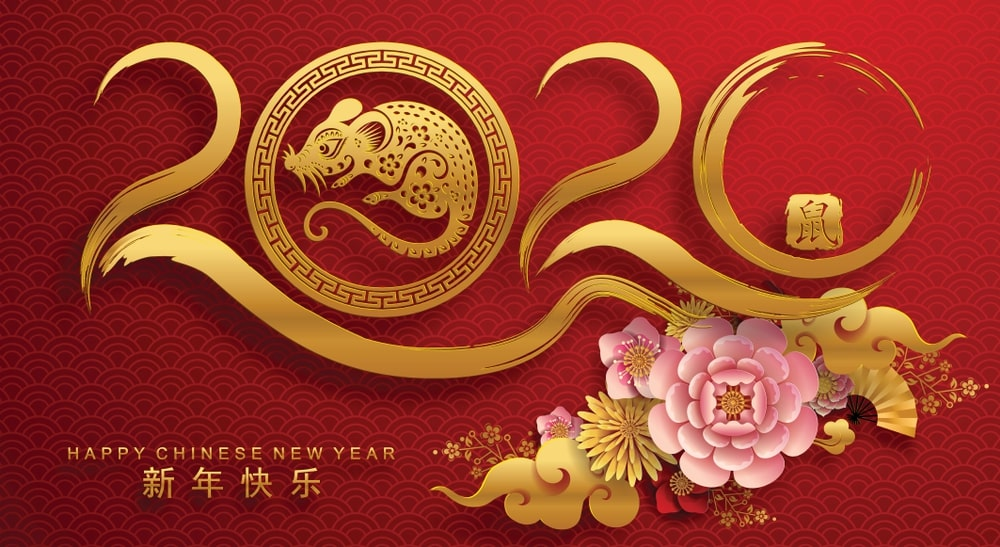
2020 Year of the Metal Rat: What’s in Store For Us?

Kung Hei Fat Choi! Happy (Belated) Lunar New Year! On January 25, 2020 we moved out of the year of the Earth Pig and into the year of the Metal Rat.

For those of you who may be unfamiliar: Western astrology foretells the present and future via the reading of the stars, whereas Chinese astrology focuses on patterns of “Chi” (or Energy), based on the belief in a cyclic life force that permeates all animate and inanimate objects. The ancient Chinese calendar, also known as the Farmers’ Calendar, or the Hsia Calendar, is a fascinatingly complex and eerily accurate system which not only records the passage of time, but can be used as a tool for fortune-telling. The Chinese horoscope rests on a sixty year cycle, broken up into twelve year cycles of predominant energies that are based on animal characteristics and the five natural elements of Earth, Metal, Water, Wood, and Fire. When a person is born, they take on the particular characteristics present in the Chi of that year, month, week, day, and even hour of their birth.

Based on lunar rather than solar cycles, the Chinese calendar can be used to determine what the general “weather” will be like during a given year, and how each of the animal/element signs will fare in that weather. You can use this “weather forecast” to help guide your choices and avoid pitfalls in the coming year! So what will this 2020 Year of the Metal Rat bring? The Metal Rat starts a new 12-year rotation cycle, and is characterized by two Chinese characters: Yang Metal (on top), and Rat (on bottom). Rat is also the element of Water, and because in the five-element cycle, Metal is said to birth Water, there is some degree of harmony possible this year. However, before you get too secure, Yang metal has the quality of destruction, and the Rat is considered to be a more aggressive form of Water, so there is reason to also be on guard…

Those born in the year of the Rat include the years 1936, 1948, 1960, 1972, 1984, 1996, 2008, and 2020. Those born in this animal year are said to be passionate about everything they do. They are highly social, but also fiercely independent. Rats love freedom more than anything, and hate being coerced or pressured into situations they find boring or unpleasant. Jealous and domineering, the Rat has an insatiable thirst for recognition and admiration. Brilliant and ingenious when it comes to finding solutions to difficult problems, the Metal Rat nevertheless can have a hard time accepting and learning from his failures. The Rat therefore must be careful not to let arrogance be his or her downfall.

Yang metal is the element of 2020. Yang metal is associated with a destructive weapon like a big sword, but metal is also associated with loyalty, honesty, and reliability. Thus many born in a Yang metal year, or on a Yang metal day, exhibit strong leadership skills and may behave like a hero fighting for social justice and fairness in the world. On the downside, the Yang metal quality creates a tendency to fight and aggression. Thus, this year may see more impassioned protests, angry demonstrations, and riots over issues of social injustice and inequality. However, because Yang metal sitting over the Water element lacks support from earth, a lot of the aggression will lack substance and not turn into anything meaningful.

Devoid of the Element of Fire: Battling the Blues According to the Chinese horoscope when an element is completely lacking, this can create all sorts of long-term imbalances. Since the middle of 2016, the Chinese calendar has been entering a long cycle of Metal, Earth and Water, without the yang elements of Wood and Fire. The next Wood year will arrive in 2022; the next Fire year in 2025. With Fire essentially devoid this year, we can expect a general lack of happiness, optimism, exuberance and confidence for a while.

It is the element of Fire that boosts the economy and financial performance, and so the general economic atmosphere until 2025 will most likely be sluggish, and there will be more pessimism than optimism regarding trading and economic relations. The world economy has been greatly affected, for example, by the trade war talks between the US and China, which generated a lot of fear and uncertainty for global investors. The general economic atmosphere and pace of growth will slow significantly, and there will be fear and anxiety around finances.

Exacerbating this, Water is the element of fear, and so there may be more economic and financial fears surfacing this year. However, there is some relief: bringing balance to these fears, Yang metal creates an atmosphere of financial opportunity. Because of the cunning yet devious Rat, however, it is wise to be careful of the unscrupulous behaviors of reckless opportunists, ready to do anything to take advantage of profitable investments. Wisdom and diplomacy remain the best allies to avoid the pitfalls of a miscalculated strategy or the betrayal of a partner in too much of a hurry.

Finally, the Rat is a very social animal, and with Fire absent this year, people may feel more loneliness and separation even when surrounded by a community of family or friends. Offsetting the lack of Fire, the Rat is said to stimulate plenty of sex and romance. Intimate relationships may flourish (as long as you aren’t born in the Rabbit year–see below), and the beauty and entertainment industries should see a significant boom this year.

Finally, because the Fire element is totally absent to control the strong Water energy, we can expect to see water and fire related disasters, including sea and air accidents. The weak Earth element could also give rise to earth-related disasters such as landslides, avalanches, earthquakes, or building collapses.

Health Issues in 2020 In Traditional Chinese Medicine, the Metal element represents the breathing organs, including the lungs, nose and skin. With strong Yang metal this year, these organs should be strengthened.

The Water element is related to the kidney, urinary system, and sex organs, but also includes the teeth and bones; too much Water this year can cause problems in these areas. Because Fire and Earth elements are totally absent this year, this can contribute to digestive problems, as well as issues with the heart, blood circulation, and overall vitality. A lack of Fire additionally leads to too much dark and cold, and this contributes to mental illnesses and disorders. Warnings for those born in the year of the Rabbit and Horse; Good Year for Ox, Monkey & Dragon

There is a direct clash for those born in the year of the Horse (least favorable), and especially Fire Horse (those born in 1966), this year. Clashes will bring turbulence, movement, accidents, or big changes. It actually is a good year for the Horse to travel (every direction except North), and to change jobs or move offices or houses. It is not recommended that those in the Horse year participate in risky sports this year, as accidents can be expected. Those born in the year of the Rabbit won’t fare much better. These people can expect to see relationship troubles with friends, family, and colleagues, including potential extramarital affairs and betrayals. (See the Feng Shui recommendations below for added protection.) On the other hand, those born in the year of the Ox (most favorable), Monkey or Dragon can generally expect a year of harmony. (It is important to keep in mind that this is the most simplistic interpretation of the Chinese zodiac, and in depth analysis includes a person’s month, day, and hour, which can complicate things quickly.) If you would like a more personalized interpretation of how your animal sign will fare this year, I found this website to be helpful. Using Feng Shui to Bring in Fire and Wood this Year, and Offset Negative Energies

* Adopt some simple Feng Shui solutions that magnify Fire and Wood energy in your home or office. Here are some suggestions:

Nurture the Fire Element here

Nurture the Wood Element here

* People born in the year of the Rat, Horse, or Rabbit are recommended to wear a jade pendant of the Ox to reduce negative influences this year.

* This year there is a negative energy called “Five Yellow” (or “Star 5”) that symbolizes obstacles and misfortune in the East. It is recommended to hang a 6-metal rod wind chime in the East areas of your home or office to disperse this energy. * Hang a string of six metal coins in the South to offset sickness and worry. * Hang a piece of red-colored paper in the North to minimize negative influences of conflict. * Place 3 bamboo stems in a clear glass vase in the Southeast and Center positions of your home or office to ward off scandal or legal problems. Finally, I want to express my gratitude to Raymond Lo, from whom I borrowed much of the information for this article. Raymond is a renowned Hong Kong geomancer and Chinese horoscope consultant, and one of only five people to earn the title of “Grand Master” from the International Feng Shui Association. For more information, click here.