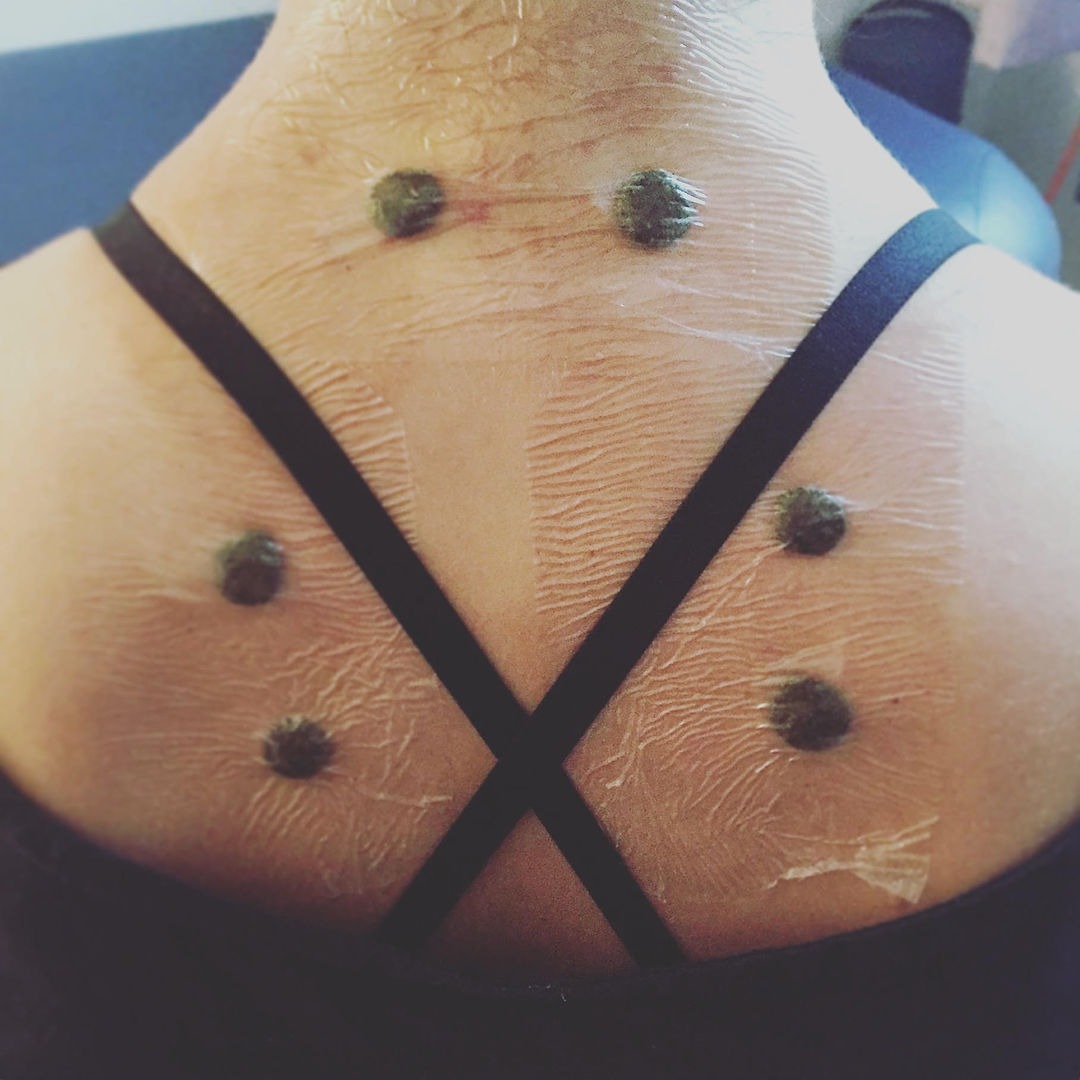
We are excited to offer San Fu Moxibustion therapy to any interested patients over the course of the summer! Many of us may have heard of our grandmother or great grandmother applying hot mustard packs to the chest or upper back to treat respiratory issues like croup, bronchitis, or cough. In China they have a similar practice — only the mustard, together with other hot, spicy herbs, is applied as a paste to specific acupuncture points. And here is the most interesting part: not in the fall and winter when symptoms are typically aggravated, but at the hottest time of the year. How does this work?
The practice of San Fu moxibustion has been very popular in China for those who wrestle with chronic respiratory complaints and lowered immunity, such as asthma, allergies, frequent colds, bronchitis, and emphysema–especially complaints that worsen in cold weather, or during the fall and winter. This centuries-old practice was originally referenced by a doctor by the name of Zhang Lu (1617 – 1700) during the Qing Dynasty, but has been growing in popularity in China in recent years.
During San Fu moxibustion, a medicinal paste of several “hot” herbs is applied and taped to specific acupuncture points that relate in particular to Lung health (but other acupuncture points may be used based on a patient’s unique constitution and symptoms). The paste, typically left on for four to six hours, causes irritation to the points, and may even cause a blister. The herbal paste is usually applied in three consecutive treatments during the hottest days of the year. Most people see some benefit within one application, but the real resolution occurs when you are able to receive the full sequence.
The theory of San Fu moxibustion rests in traditional Chinese medical principles of Cold and Heat and the effect of an imbalance of either in the body. In Chinese medicine, those with chronic respiratory and lowered immunity exacerbated in the winter suffer from Cold which becomes lodged in channels affecting the Lung and other organ systems. Moxibustion in general relates to applying heat through the medium of warming herbs. When applied during the hottest times of the year (the most “Yang” in Chinese medical terms), the herbs can then penetrate very deeply into the channels, lodging there for the rest of the year.
Typically, San Fu treatment dates are prescribed by the Taoist calendar, and there are only three to four dates in the summer that change depending on the year’s astrology. However, as it is difficult for many patients to come in on specific dates, the treatment can still be performed successfully if completed within the summer season, June through August. For the very best results, or for those with long-term respiratory issues spanning a number of years, it is recommended to complete the San Fu treatments three years in a row.
There is actually a clinical study (double blind, placebo controlled) documenting the effect of San Fu treatments on 323 participants with chronic asthma that you can check out here.
For a more in depth explanation of San Fu Moxibustion and how it works, check out this youtube video.
Book a series of three San Fu appointments with us today! And spread the word!
If there is one book that I wish every physician (and lay person for that matter) would pick up and read it is: Vitamin K2 and the Calcium Paradox: How a Little Known Vitamin Could Save Your Life by Kate Rheaume-Bleue, ND. The pharmaceutical companies certainly wish copies of this critically important book wouldn’t get around. With news as good as this, the top killer in this country–heart disease and specifically coronary artery disease–might plummet to levels so low our cardiologists would have a lot more free time on their hands. And the sales of certain medications, including statins and Fosamax, might also soar downwards. We might start to question even more deeply our antagonistic relationship with cholesterol–an essential steroidal molecule in the body vital for stable reproductive hormone levels that are critical for bone health, and–yes–arterial health as we age.
Speaking of time, if it’s a commodity you don’t currently have, I’m going to save you the trouble of even buying and reading this book. If you read this article today and follow the practical advice Dr Rheaume-Bleue recommends, you might just save yourself or your loved ones from future stroke or heart attack, osteoporosis and bone fractures with aging.
Do you know when the first electrocardiograph (ECG) machine was brought to the United States from Germany by Alfred Cohn in 1909 they laughed at him? Heart disease was so rare back then, they didn’t think they would find much use for it. Few people alive today are old enough to remember the epidemic of coronary heart disease that began in the 1920’s and 1930’s. Previously an uncommon disease, by the 1950’s coronary artery disease (CAD) or coronary heart disease (CHD) had become the leading cause of death.
If you think this is because our ability to detect coronary artery disease through means such as the ECG radically improved during this time, think again. The following article debunks this theory, citing two important studies that outline a dramatic increase in incidence of deaths due to myocardial infarction (MI) and coronary thrombosis (arterial blockage in the heart) beginning in the 1920’s. One study by Dr Robert Finlayson, published in 1985 in the journal Medical History, systemically scrutinized autopsy reports from St. Bartholemew’s Hospital in London, which had conducted routine and detailed cardiac autopsies since 1868. This study shows rates of death due to ischemic heart disease at less than 1% of the population in 1880, remaining fairly level at about 5% until about 1920, with a steady and dramatic incline after that to between 30 and 35% of the population in 1982. In other words, heart attacks are largely an occurrence of the last 80 years.
What happened in the 1920’s and 1930’s that would have so profoundly affected heart disease? Here is one theory: the introduction of large scale industrialized farming methods. Cattle and livestock that had previously grazed on wild pasture on small farms, were suddenly transferred to large grain-fed feedlots. Chickens happily clucking around a farmyard eating worms and weeds were transferred to factories, where they were fed grains, corn and soy. What is the problem with this? One problem, as it turns out, was the sudden absence of an essential vitamin we now call vitamin K2 in our diet.
So what is vitamin K2? Is it similar to, or different from, vitamin K1 we have been so much more familiar with the past fifty years? And if it is so essential, how come it took medical researchers until 2007 to finally pinpoint its critical role in the distribution of calcium in bone and body tissue? Finally, what are the best sources of vitamin K2?
What is vitamin K2? What is its identified function in the body?
Here is a direct quote from Vitamin K2 and the Calcium Paradox: “Vitamin K2 works by activating a number of special proteins that move calcium around the body. Specifically, K2 activates a protein called osteocalcin (OC), which attracts calcium into bones and teeth, where calcium is needed. K2 activates another protein called matrix gla protein (MGP), which sweeps calcium out of soft tissues like arteries and veins, where the mineral is unwanted and harmful. When K2 is lacking, the proteins that depend upon K2 remain inactive. The Calcium Paradox then rears its ugly head with an insidious decline in bone mineral density and an even more treacherous hardening of the arteries. When K2 is plentiful, bones remain strong and arteries remain clear.”
In a nutshell, enzymes (largely comprised of certain DNA-coded proteins) are the main catalysts by which the body performs vital biochemical reactions. When it comes to calcium placement, the protein enzymes mentioned above, OC and MGP, are the two “vehicles” by which the body ensures that calcium is placed where is belongs: in the bones and teeth, and not in the arteries. In other words, calcium binds with OC to get placed into bones and teeth, and it binds with MGP to be carried out of the body tissues. Here is what you need to understand: when K2 levels are inadequate, OC and MGP are useless, essentially wandering about aimlessly, unable to prevent calcium from embedding in soft tissues and unable to allow it to enter into bone. These proteins are activated exclusively and ONLY by vitamin K2, which serves to “switch on” or “unlock” their ability to then bind with calcium and perform their vital roles.
Is vitamin K2 similar or different from vitamin K1?
To clear up another misunderstanding: vitamin K2 is NOT vitamin K1. Vitamin K1–also called phylloquinone–is found in the green tissues of plants, playing a vital role in the plant’s ability to convert the energy from photosynthesis into glucose. When animals consume vitamin K1, part of it goes into the liver where it serves to activate blood clotting proteins. But part of K1 is converted to K2–also called menaquinone– in the tissues of the animal, serving a host of physiological purposes, including the placement of calcium, that we are only now uncovering.
In fact, the richness of the green color of grass and its rate of growth both determine the concentration of K1. Animals consuming greener, more rapidly growing grass will accumulate greater vitamin K2 in their tissues in proportion to the amount of K1 in their diet. The beta-carotene associated with K1 will impart a yellow or orange coloring to the animal products–making milk, cheese and butter a deeper yellow, or egg yolks a rich dark orange. The color of these foods then, are a good indicator of the presence of vitamin K1 in their diet.
In light of this, an easy assumption to make is that if we consume enough green vegetable matter then we will convert what we need into vitamin K2. Unfortunately, there is no clear evidence at the moment that humans have the same ability to convert K1 to K2. The ability to convert K1 to K2 appears to vary widely between species and breeds of animals. German researchers who first discovered this conversion, for example, found that rats made it poorly compared to birds.
Epidemiology and intervention studies all show that intake of vitamin K2 has a superior impact on optimal human health over K1. Intake of K2 is inversely associated with heart disease in humans (see Rotterdam Study here), while intake of K1 is not. Vitamin K2 appears to be at least three times more effective than vitamin K1 at activating proteins related to skeletal metabolism. Finally, primitive groups studied went to great lengths to procure foods rich in vitamin K2 like organs and fats of animals, as well as deeply colored orange butter from animals grazing on rich pastures–a testimony to their innate understanding of the importance of these foods for health.
If it is so essential, how come it took medical researchers until 2007 to finally pinpoint K2’s critical role in the distribution of calcium in bone and body tissue?
Although both K vitamins were discovered and characterized in the 1930s, two fundamental misunderstandings about these vitamins persisted for over sixty years: the medical and nutritional communities considered blood clotting to be their only role in the body, and considered vitamins K1 and K2 to simply be different forms of the same vitamin. We now know that this is not the case. The first vitamin K-dependent protein relating to skeletal metabolism was not discovered until 1978. But it was not until 1997, nearly twenty years later, that the recognition that vitamin K was “not just for clotting anymore” broke out of the confines of the fundamental vitamin K research community.
What are the best sources of vitamin K2? Do I need to supplement?
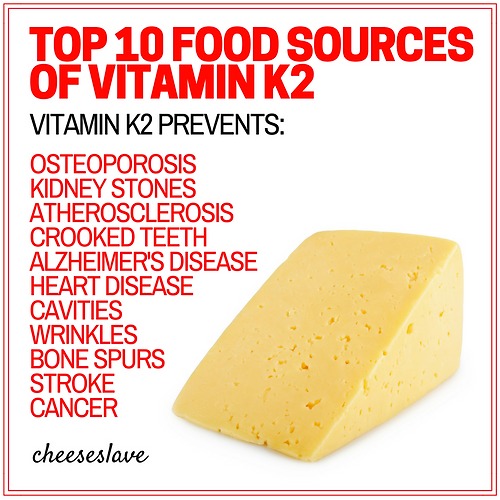
All foods high in K2, with the exception of a Japanese fermented bean dish called natto that I will explain in a minute, come from animal or animal sources. The highest amounts are found in hard and soft cheeses from pasture raised cattle, liver and other organ meats (goose liver being especially high), egg yolks from pasture-raised chickens or other poultry, and smaller amounts in pasture-raised meat.
As I mentioned previously in this article, the amount of K2 that will be available in the animal tissue or animal product will depend on the amount of K1 present in the plants that they are consuming. Grain, soy and corn fed meat and poultry and their dairy/egg products are all but devoid of K2. Wild, or pasture-raised meats, organs, dairy, and eggs will contain K2. The deeper yellow or orange-colored the dairy or eggs, the higher the amount of K2. Animals feeding on rapidly growing, rich-colored green grass (i.e. in the spring and sometimes the fall) will tend to have higher amounts.
By the way, years ago when I lived out in Western Nebraska, I used to purchase farm eggs from a lady who let her chickens run wild on her property. I have never seen egg yolks before or since as dark as these–they were colored a deep dark orange. When I started learning about K2, I conducted a little experiment, and bought pasture-raised eggs from all the different brands that I could find at my local health food stores. I found the deepest colored eggs were from Vital Farms, although they are still several shades lighter than the Nebraska eggs.
Now, if you are a hard-core vegan–don’t despair! The “superstar” of K2–with literally four times the K2 of its nearest animal source (goose liver)–is a Japanese fermented breakfast bean dish called “natto”. It turns out that K2 is also produced by certain classes of bacteria (and explains why hard and soft cheeses top the list of K2-rich animal sources). Natto is produced by the K2-mega-producing microbe Bacillus subtilis, and the result is this product brimming with menaquinone. Interestingly enough, natto is frequently eaten in the eastern regions of Japan, but not so much the western regions. As it turns out, studies show that hip fracture rates are significantly lower in areas where it is consumed.
Apparently this slimy bean dish is a bit of an acquired taste. Nevertheless, if you are up for the challenge, I say “Go for it!”. If not, thankfully, there is a supplement now available that contains the form of K2 found in natto–specifically menaquinone-7 or MK-7.
With regard to supplementation, the form of menaquinone or K2 found in animal sources is menaquinone-4 or MK-4, and I have noticed many K2 supplements these days will contain some combination of MK-4 and MK-7. Apparently, the half life of MK-4 (or how quickly it decreases its concentration in body tissues by half) is only two or three hours, much shorter than that of MK-7, requiring it to be consumed as a supplement several times a day for therapeutic benefit. In addition the MK-4 used in supplements is not obtained from natural animal sources, but from the extract of common tobacco. MK-7 supplements, however, are sourced from natto, only require a single daily dose due to a longer half life, and provide all the same benefits as MK-4.
As far as how much to take, there is still more research that needs to be done. Researchers see a reduction in arterial calcification and cardiovascular mortality with as little as 45 mcg/day, whereas frequent natto eaters may be getting more than 300 mcg/day. So far vitamin K2 has no known toxicity and will depend on your intake of vitamin A and D (see below). Daily recommendations by Dr Rheaume-Bleue include 120 mcg/day, but she also states that it’s easily safe to double the dose. Menopausal and postmenopausal women–as well as adolescents–have a higher need for K2 and can take 240 mcg/day or more.
Final note on the synergistic relationship between vitamins D, A, and K2:
One of the most fascinating aspects of uncovering this essential “new” vitamin, is its highly synergistic relationship with both vitamins A and D.
Remember the protein matrix gla protein (MGP), that when activated by K2 carries calcium out of the soft tissues and arteries of the body? Vitamin D is essential in the production of the MGP protein. Thus, the more vitamin D, the more the production of MGP proteins goes up. That’s great if you want more MGP proteins to direct calcium away from the arteries and into the bones…but not so great if there is inadequate amounts of K2 in the system to activate them. Thus, the more vitamin D you either absorb through the sun or take as a supplement, the greater the need for K2. Together, these two vitamins can create strong bones and teeth, and clear arteries.
What about vitamin A? By the way, when we mention vitamin A here, we are referring to animal-sourced retinyl palmitate, not to plant-based beta-carotene, which is a potential precursor to vitamin A but is not necessarily converted at amounts required for optimal health. By far the best source of vitamin A actually comes from liver, one of the most prized foods among traditional peoples of the world, and often “baby’s first food” in these cultures.
Both vitamins A and D are essential in the production of osteocalcin (OC) proteins that direct calcium into bones and teeth. By itself however, vitamin A actually limits the production of MGP proteins. This may sound detrimental to heart health (and in large amounts on its own it would be), but working in tandem with vitamin D and K2, it effectively limits or spares the body’s requirements for K2, allowing the body to get by on less. In other words, when K2 is scarce, vitamin A does damage control.
The realization here, is that all three fat-soluble vitamins work together, and are needed for optimal heart and bone health.
There are more benefits of vitamin K2 that are being discovered–including its role in dental health and the formation in childhood of a wide enough dental arch so that tooth-crowding doesn’t occur, as well as its protective effect against dental cavities. Interestingly enough, breast milk is very high in K2 (when it is available to the mother). The brain contains one of the highest concentrations of K2 in the body, as do the pancreas and salivary glands. Studies are ongoing in identifying the specific role of K2 in neurological health, particularly as we age, and there has been a connection made between levels of K2, activated osteocalcin (OC) and diabetes.
The point of sharing all of this with you? Do yourself a favor and make sure this critical nutrient is either a mainstay of your diet, and/or added as a supplement into your daily regimen.
Main Sources:
Vitamin K2 and the Calcium Paradox, by Kate Rheaume-Bleue, B.Sc., N.D.
“On the Trail of the Elusive X Factor: A Sixty-Two-Year-Old Mystery Finally Solved”, by Christopher MasterJohn, February 8, 2008, westonaprice.org
“The Coronary Artery Disease Epidemic”, by Stephan Guyenet, May 12, 2009, wholehealthsource.blogspot.com
Choosing to birth naturally, without any use of drugs, doesn’t mean one births without pain management. There are many effective measures that work outside pain medicine. Waterbirth is often one of the key strategies to cope with pain in labor and frequently, people become interested in out-of-hospital birth due to waterbirth. This is especially true in the Denver-metro area given the lack of access to waterbirth in hospitals. Most hospitals in the region ban waterbirth and make you get out of the birth tub right when you need it most – when labor is intense and you’re showing signs you might have your baby soon. This is not evidence-based!
Currently, the Center for Midwifery practice at University Hospital is the only hospital that allows births to occur in water. However, according to their reported 2017 statistics on their Facebook page- only 35 people out of a total 436 vaginal deliveries were in water, or about 8%. If you take just their successful natural deliveries, then 35 out of 187 natural vaginal births occurred in water or 18.7%. Most home birth midwifery practices have waterbirth rates in the 40-50% range! It’s surprising to realize, one must choose to birth out-of-hospital to be able to really access waterbirth.
Waterbirth is amazing to experience at home. To birth in your own space, with your own food, comforts and known birth team already facilitates birth and increases relaxation. Then add waterbirth to the dynamic and birth feels much like the natural birth photos and videos you see around the internet- peaceful and intimate! Not to say it isn’t hard work, but anything worth doing always is, isn’t it?
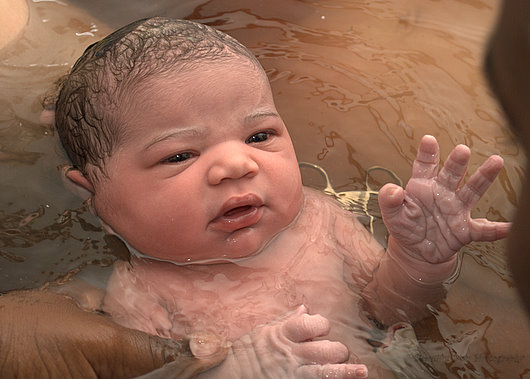
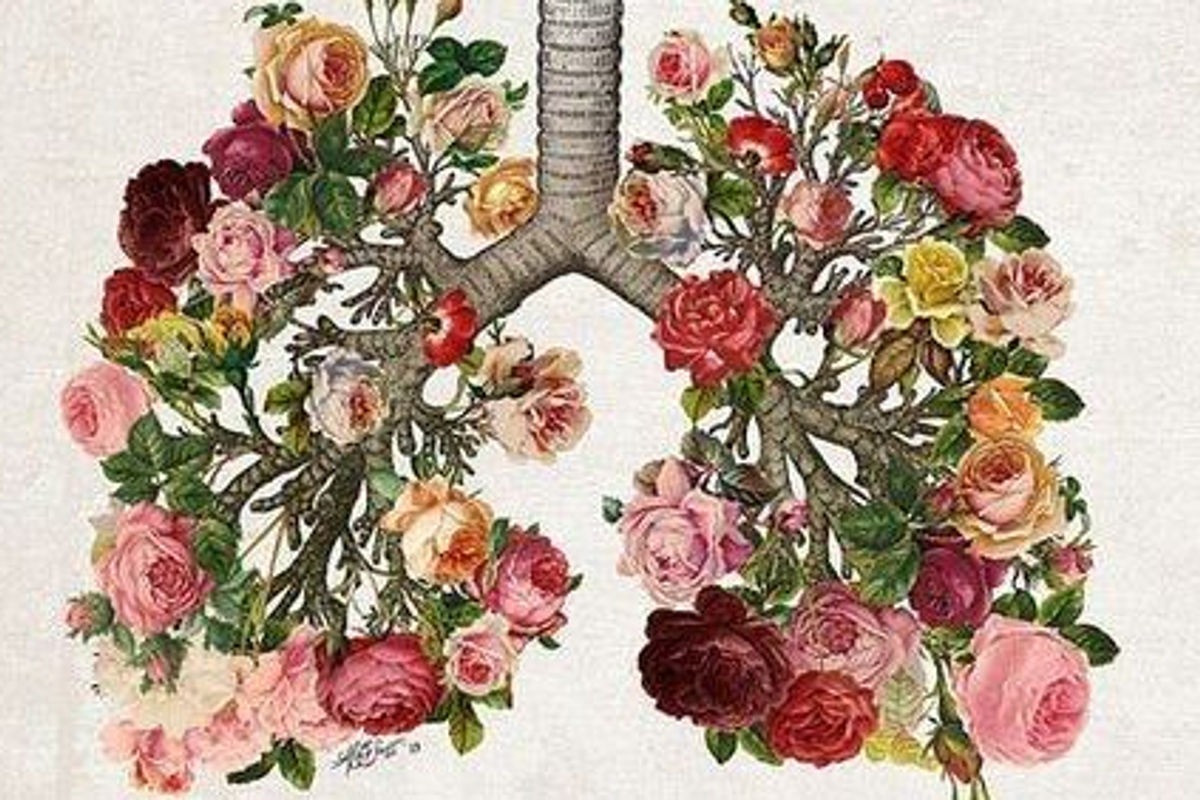
But how does waterbirth work, wouldn’t a baby drown? Babies already are gestating in water, the baby’s amniotic fluid. Waterbirth is the gentle process of the baby moving from one body of water (the amniotic fluid) to the next (the birth tub) and being brought up immediately after to the mother’s arms. To get technical: the fetal lungs are filled with fluid in utero. This fluid keeps the spaces within the lungs open and ready for air after delivery. The existing fluid prevents other fluid from coming into the lungs. It would take tremendous pressure to displace it. It’s not the lungs role to do the breathing in utero. It is the role of the placenta to act as the lungs in utero, receiving nutrients and oxygen and exchanging CO2 and waste. Actually, the lungs in utero have very little blood flow going to them, simply enough to develop. They make only small movements to help “practice breathe”. Babies close to delivery are exposed to increased prostaglandin levels from the placenta that slows or reduces fetal “practice” breathing. If a baby experiences stress in labor leading to low oxygen, initially their reflex is to hold their breath (apnea) and to stimulate swallowing. Newborns, like all mammals, have a mammalian diving reflex protecting them as well from taking in water from a birth tub. It lasts up to 6-8 months old. When in contact with water the epiglottis at the back of the throat automatically closes and prevents water from entering the lungs. The water is then swallowed not inhaled. This mechanism is also what allows babies to breastfeed without aspirating.
But how did we start birthing in water and is it really safe? The short answer: it is a safe option for low risk women! Waterbirth was first reported in in the early 1800’s but it became more popular in the 1980’s and 1990’s. Women found that beyond its ability to help with pain control, laboring in water provided many benefits. It reduced anxiety, lowered blood pressure, allowed for freedom of movement, aided a baby to get into a better position, and slightly shortened labor due to reduced catecholamine (stress) production. Studies have found that delivering the baby in water increases the mother’s sense of well-being, reduces need for pain medication, and decreases the chance of episiotomy, hemorrhage, severe tears and C-section. It does not increase rates of infection, NICU stays, poor Apgar scores or fetal death. (Evidencebasedbirth.com, Bovbjerg et al. 2016).
Research recommends specific guidelines and strategies to best support optimum birth outcomes in water. The biggest study on water birth was done retrospectively through the Midwives Alliance of North America Statistics Project, commonly referred to as MANA Stats (Bovbjerg et al., 2016). The study included data from 18,343 midwife-attended births in the U.S. between 2004 and 2009, with 97.6% occurring at homes and birth centers not attached to a hospital. In the sample, 6,534 people had waterbirths, 10,290 people had land births, and 1,573 people intended to have a waterbirth but left the birth tub and had a land birth. The MANA Stats study reported no difference between waterbirth and land birth groups in Apgar scores < 7 at five minutes or infection rates. There was no evidence of increased risk of newborn death from waterbirth, although the number of deaths was too small to draw firm conclusions (Bovbjerg et al. 2016). An interesting finding in the MANA stats water birth study from 2016 is that those who intended waterbirths but left the pool due to different factors had worse outcomes than land births, and those who planned to birth in water had the best outcomes. This doesn’t mean that waterbirths are safer but that there were good reasons to get out of the tub such as concerns that increased the risk factors in those intending to have waterbirths (fetal heart rate concerns, labor taking too long, wanting pain meds) vs. the lower risk straightforward labors who remained in the water. It shows that midwives know when to get people out of a tub, and have good clinical decision-making skills! (Bovbjerg et al 2016).
Some risks and recommended requirements for waterbirths have been identified in observational studies. Working with providers who carefully control the dynamics of waterbirth, frequently assist in waterbirths and are comfortable with best practices of waterbirth can mitigate most of these risks. Careful conditions must be maintained in a waterbirth. Too hot water can cause the birthing mother to be overheated and a baby’s heart rate to go up, or if a tub is not appropriately cleaned or meeting specifications rare infections may happen such as legionnaires disease. Best practices for water birth are outlined by the joint statement “ A Model Practice Template for Hydrotherapy in labor and birth” (Journal of Midwifery and Women’s Health) released in 2016. Increased umbilical cord tearing was shown in some water birth studies. This is likely due to a baby who had a cord wrapped around them and a provider who was less comfortable with the process either pulled too hard on the cord or rushed the process of getting the baby out of the water. While severe tears were reduced in waterbirths, there was an increase in minor tears (Bovbjerg et al 2016). There was no increase in infection noted in waterbirths overall regardless if the birthing person’s water was broken. Thus when guidelines are followed babies are safe.
Very rarely, babies that are in severe distress, as exhibited by poor fetal heart tones, will move beyond the initial period of holding their breath and swallowing into a gasping reflex. Birthing mothers who were not helped out of the waterbirth tub with a baby in this severe state of distress where a gasping reflex occurs can aspirate tub water and be more difficult to resuscitate. However, a meta-analysis in 2017 by Vanderlaan et al., looked at 6 combined studies that provided data on the need for resuscitation between waterbirth and land birth. The researchers did not find a difference in this outcome between groups, even after restricting to only the highest quality studies.
These studies show it is important for a care provider to be comfortable with waterbirth, through frequent interactions with the unique process. Midwives in the out-of-hospital setting are the experts in normal natural birth and simply help people birth in water more often. They have a less anxious approach to water birth, leading to a more gentle facilitation of birth in water. Home birth midwives show good judgment in assessing risk factors for waterbirth and know how to provide those birthing with the support and access to this important tool for natural birth. To learn more about home birth go to Newleafmidwifery.com or Denvermidwivescollective.com.
References:
Www.waterbirth.org Bovbjerb, M. L., Cheyney, M., Everton, C. (2016). Maternal and Newborn Outcomes Following Waterbirths: The Midwives Alliance of North American Statistics Project, 2004-2009 Cohort. J Midwifery Womens Health, 61(1), 11-20.
Vanderlann, V., Hall, P.J. And Lewitt, M. (2017b). Neonatal Outcomes with Water Birth: A Systematic Review and Meta-analysis, Midwifery. Manuscript accepted, article in progress.
You’ve been living your life as usual, generally active and healthy, when suddenly you find yourself sneezing all the time, battling a constant runny nose and watery, itchy eyes. “What’s going on?” you wonder. Congratulations: you probably have developed allergies. “But how?” you argue. “I eat healthy, exercise regularly, and have a pretty good immune system.”
Whether you’ve suffered from allergies your whole life, or just developed some symptoms in the last month, allergies can make you miserable. So should you accept your fate, stock up on Zyrtec and Claritin, and resign yourself to a life of nasal suffering?
The type of allergy we are referring to here is also known as allergic rhinitis, and may be seasonal (referred to as “hay fever”) or non-seasonal. Common irritants include pollen, dust, smoke particles, animal dander, cat saliva, or mold. These irritants attach to special immune cells in the nasal mucosa that then, due to a hyperactive immune response, release an “explosion” of a chemical called histamine. It is histamine that causes swelling, the over-production of mucus, sneezing, and in some cases intense itching.
Western treatment of allergic rhinitis includes antihistamines, decongestants, and inhaled steroids. These medications–although they can provide substantial immediate relief–offer no long-term solutions. In fact, some European studies have shown that the long-term use of immunosuppressive medications such as these can cause the development of other, more serious conditions later in life, including asthma, skin rashes, arthritis, and autoimmune disease.
Fortunately, there are long-term solutions to overcoming allergic rhinitis that are entirely natural and highly effective. These solutions have to do with addressing the root of the allergy (what is causing the allergy) rather than the branch (the symptoms). They answer our question also as to why the body developed an allergic response in the first place. These include:
1. Detox Your Liver
“The liver? I’m talking about my nose!” Allergies are often the result of a liver overloaded with toxins. The liver is our primary organ for detoxification and cleansing. This amazing organ is single-handedly responsible for over 500 detoxification functions, and works tirelessly to inactivate and excrete toxic substances from the body, including drugs, hormones, chemicals, and dead or damaged cells.
However, over time our daily toxic load can overburden the liver. Especially with a diet high in processed or fast food, in environments high in exposure to toxic chemicals or mold, or in cases of weakened liver function due to disease or genetic disorders, the toxic burden can quickly override the liver’s daily capabilities. So what will the liver do?
The liver’s first line of defense is to store the toxins. As it stores the toxins the immune system will launch a histamine response to the toxins being stored. Later, toxic substances may leach into the blood and body, causing hyperactive immune responses that may lead to a number of autoimmune illnesses–including rheumatoid arthritis or Hashimoto’s Thyroiditis. The development of hay fever or non-seasonal allergic rhinitis is often a first indication of liver toxicity with a resulting overactive immune response.
Regular detoxification of the liver can help to reduce the toxic overload, so that the liver can again function normally, and the body can quiet it’s histamine response. Ways to detoxify the liver include:
Cleansing the liver through our recommended 2-4 week Liver Enhancement/Detox Diet . In Chinese medicine, the best time to cleanse the Liver is in the spring. Foods that support the liver include: beets and beet greens, dark leafy greens, dandelion greens, burdock root, garlic, grapefruit juice, lemon juice, apples, avocados, olive oil, and organic sources of liver.
Periodically taking supplements that support liver detoxification pathways. The most important ingredient in these liver detoxification formulas is glutathione, a complex amino acid. This critical molecule binds with toxins in the liver, which then carry them into the bile and stool, and out of the body. Foods and herbs high in glutathione include: garlic, onions, cruciferous vegetables (kale, broccoli, cabbage), and milk thistle. Vitamins and other nutrients that support glutathione production include folic acid, B6 and B12, vitamins C and E, Alpha Lipoic Acid, and N-acetyl-cysteine (NAC). Glutathione is not easily absorbed orally, and we have some more effective forms available through our apothecary.
Turmeric root , which can be consumed in its whole root form, or in capsules, contains high amounts of curcumin, which has been the subject of a number of clinical trials recently, revealing profound effects on liver health.
Regular use of saunas or far infrared saunas helps to detoxify the body from heavy metals and other environmental toxins.
2. Cleanse Your Gut
A little known fact, is that 70% of the body’s immune system resides in the gut! In our current American epidemic of leaky gut syndrome, due to factors such as the overuse of antibiotics, NSAIDS and oral birth control and our chronically poor diet, our immune system may start to “tag” proteins (which are larger molecules) in certain foods as “invaders” and launch an attack. This attack leads to inflammation in the digestive track which over time can lead to bloating, gas, acid reflux, abdominal discomfort, diarrhea or constipation when these particular foods are consumed.
“So what does this have to do with my allergies?” you may ask. Individuals who are prone to food “allergies” or sensitivities (a lower level immune reaction) are typically more prone to environmental allergies. When the immune system starts to mount an allergic response to certain foods, it is more likely that it will simultaneously react to inhaled substances as well. Cleansing the gut will help to soothe and heal this overactive immune response, and at the same time will calm down the response to inhalants.
Ways to cleanse the gut include:
Exploring a food elimination diet, either guided or on your own, to discover which foods you are reacting to. These foods are then eliminated, calming down the immune response, and allowing the body to heal. The most common “inflammatory” foods implicated in food sensitivities include dairy, wheat, eggs, sugar, soy, and tree nuts. The foods should be eliminated entirely for at least 6 weeks, and then re-introduced one by one with several days in between while watching for an exacerbation of symptoms.
Cutting out dairy and sugar, which both stimulate the body to produce a large amount of mucus. These foods should always be eliminated during times when allergies are acting up.
Taking a high potency probiotic, such as the Vital-10 we carry at DCA, or Ultimate Flora by Renew Life, for several months. If you have had a round of antibiotics, some studies show you should take a good probiotic for up to 6 months. You can also add fermented vegetables, such as sauerkraut or kimchi, on a regular basis to your diet. Avoid yogurt, as it is dairy-based. NOTE: if you have a condition called SIBO (Small Intestinal Bacterial Overgrowth) then probiotics and fermented foods can aggravate your symptoms.
Adding bone broths to your diet. Bone broths are high in gelatin, which soothes and heals the gut lining. You can either make your own, or purchase quality bone broths at your local health food stores. You can also purchase Great Lakes Gelatin from Whole Foods.
Adding in a broad spectrum digestive enzyme for a while, such as Digestzymes or Vitalzymes that we supply at Denver Community Acupuncture. These enzymes help to break down food molecules more completely, which will decrease immune response.
3. Strengthen Your Immune System
I have repeatedly been asked by concerned patients if it is counter-productive to use acupuncture to support the immune system for allergies, since allergies are the result of an over-responsive rather than an under-responsive immune system. This is a very good question!
My rational answer: I don’t know! My clinical answer: time and again acupuncture relieves allergy symptoms and provides days, weeks, and sometimes even months of relief.
The beauty of acupuncture is that it is a marriage between the use of certain acupuncture points–in this case those that are “tried and true” for boosting immune health–and your amazing body. It is your body that takes the needle stimulation and does what it needs to in order to balance itself out. This means that the same point that might one day boost an immune response, will the next day calm it down! Did your acupuncturist do this? We could say partly–if they are well-trained, they will recognize that allergies are an “Excess” condition in Chinese medicine, and that they need to use points that clear Heat and clear inflammation in the liver. But mostly–your body is able to use the acupuncture stimulation to self-regulate!
If you are suffering through a bout of allergies, we recommend coming in weekly until the symptoms subside. In some cases, this means during an entire season. In others, all that seems to be required is a few treatments.
You can also add in immune-boosting supplements with high doses of vitamin C and D, as well as vitamin A, which supports respiratory health.
4. Take Chinese Herbal Remedies & Natural Antihistamines
The great news is that while you are detoxing your liver and cleansing your gut and you STILL have allergy symptoms: you don’t need to take meds! There are highly effective Chinese herbal formulas that, on their own or in combination with antihistamine supplements, can manage your “branch” symptoms beautifully while you work on a deeper level to heal your liver, gut and immune health. Your acupuncturist will guide you toward the formula or formulas that work best for your symptoms. In some cases, it may take a few trial runs to discern the right formula for you.
There are also natural antihistamine products that some patients find very helpful. Our in-house product D-Hist contains vitamin C, quercitin, bromelain, and N-acetyl-L-cysteine.
A special note on sinus infections:
Are sinus infections the same as allergies? The answer is no. Allergic rhinitis is not sinusitis, although allergic rhinitis may be the cause of the development of a sinus infection. Allergic rhinitis produces watery, profuse and white or clear mucus with frequent sneezing, whereas sinusitis will manifest as thick, yellow to green mucus with little to no sneezing. Sinus infections, however, are also very responsive to Chinese herbal medicine and acupuncture–even at relatively advanced stages.
Kung Hei Fat Choi! Happy Lunar New Year! On February 16, 2018 we’ll be moving out of the year of the Fire Rooster and into the year of the Earth Dog.
For those of you who may be unfamiliar: Western astrology foretells the present and future via the reading of the stars, whereas Chinese astrology focuses on patterns of “Chi” (or Life Force), based on the belief in a cyclic life force that permeates all animate and inanimate objects. The Chinese horoscopes rests on a sixty year cycle, broken up into twelve year cycles of predominant energies that are based on animal characteristics and the five natural elements of earth, metal, water, wood, and fire. When a person is born, they take on the particular characteristics present in the Chi of that year.
Based on lunar rather than solar cycles, Chinese astrology does not really foretell the future; it determines what the general “weather” will be like during a given lunar year, and how each of the animal signs will fare in that weather. You can use this “weather forecast” to help guide your choices and avoid pitfalls in the coming year.
Think about dogs for a moment. Fiercely loyal, honest, and deeply responsible for the welfare of others, the year of the Dog (and those born in the year of the Dog) are marked by social activism, and movements of social justice and change. The year of the Earth Dog marks the first element and thus the start of a new sixty year cycle. It is a powerful marker in men and women’s lives, offering a new interpretation of the human condition. A fresh and deeper look at human morality, education, social life, health, and the care of the young, sick and elderly are all fundamental questions that are revised and improved upon during this time.
The “shadow side”of the dog is that they will bite or attack if provoked or treated badly. People born in the year of the Dog can be sensitive to criticism, quick to anger, stubborn and deeply emotional. As an interesting example, Donald Trump is a Fire Dog. This makes him a leader and inspired to social change, but it also makes him aggressive. The fire element makes it difficult for him to control his emotions, and his desire to dominate others is very intense. The current political ambience, where a great many people are inclined to mock President Trump, could trigger an outpouring of anger so intense that it could result in ill-fated events. In terms of larger dynamics, the Earth Dog year, while not as fiery or volatile, could be a time of political and social sensitivity, moodiness, and unrest.
While the year of the Fire Rooster was full of whims and eccentricities, rule-breaking, and often surprising or explosive turns of events, the Earth Dog year is a time of relative stability. Staying level-headed, following the rules, and not sticking one’s entrepreneurial neck out too far is generally a better bet. It’s a good time to capitalize on what you already have. Apparently it’s also a great year for technology, innovation, the arts, and entertainment.
If you get lost in all of this, just remember the energy of “man’s best friend”. While characteristics of friendliness, loyalty, and service will be increased, so will the traits of attacking (biting), quarreling, fighting, and rebelling when the situation is no longer tolerable. While this can create great social connection and change, it can also result in conflict and chaos of some type. In relationship, this means remembering to listen and communicate with mindfulness, extend those olive branches, and hold on to one’s spiritual practice of tolerance. In business this means adopting a more moderate approach, networking and building relationships, while sticking to what you know you do best.
If you want to find out more about your animal horoscope and what this 2018 Earth Dog year has in store for you, I found this article to be helpful
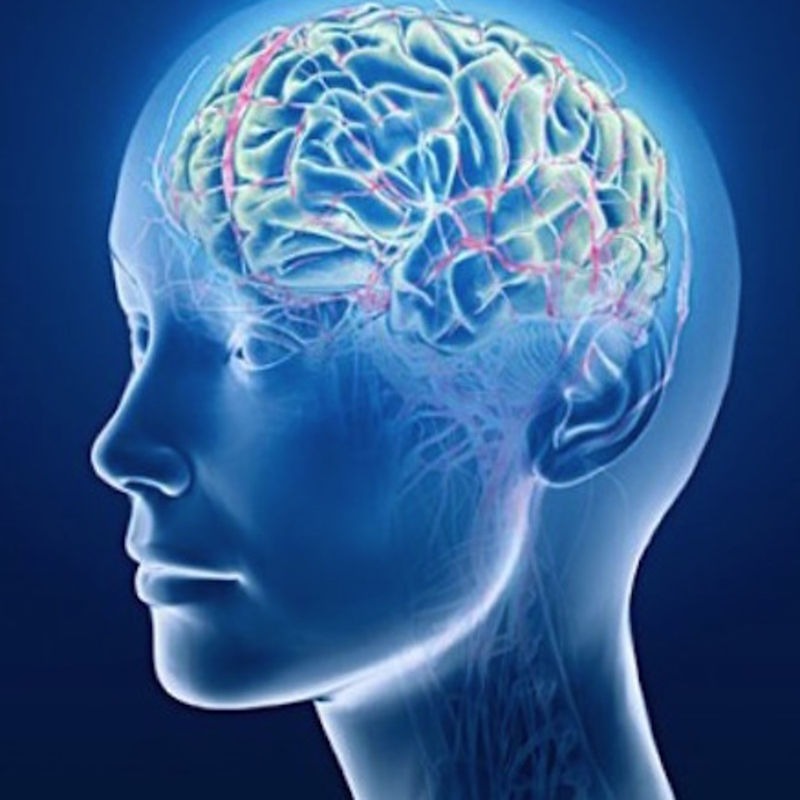
In some ways, the one organ that sets us apart from all other species on the planet–our incredible human brain–is the least understood organ with regard to human health. Dementia, Alzheimer’s, Parkinson’s, and other neuro-degenerative conditions have no known cure, and patients are often simply provided with palliative care as the condition advances. While Alzheimer’s and dementia collectively afflict nearly 100 million people worldwide, depression has become the number one disability, affecting over 350 million people. What about insomnia, another common brain imbalance with debilitating side effects? An estimated thirty to fifty percent of the general population experience a period of insomnia, and ten percent become chronic.
More recent research into the biochemistry of brain neurotransmitters, however, has yielded some exciting new approaches with considerable potential to aid in preventing and treating brain-related symptoms or illness. These involve balancing the four main brain neurotransmitters in an effort to mitigate physical, emotional, and temperamental (personality-based) symptoms. Common brain-related symptoms range from insomnia, anxiety and depression, to social phobia, rage, attention deficit and memory loss, and can often be significantly helped.
Ultimately your brain chemistry influences the four major domains of health: memory, attention, temperament and personality, and physical well-being. Four chemicals or brain neurotransmitters make up the brain’s code, much like the four base chemicals found in pairs on a strand of DNA. Each biochemical creates unique electrical patterns that are transferred as brain waves. Each individual, based on genetics and experience, produces unique amounts of each neurotransmitter, and is usually dominant in one and deficient in one or more. It is when individuals start to overly produce too much of one, or not enough of another, that symptoms start to appear.
So what are these four neurotransmitters? I’ll briefly go over each of the four brain neurotransmitters, including predominant personality features and issues with both excess and deficiency. You might recognize yourself or a loved one. The important thing to realize is that you can treat these imbalances and bring your symptoms back under control with natural substances, appropriate medications, and with targeted treatments.
Dopamine. Dopamine generates beta waves, which stimulate alertness, and is most prevalent in the frontal lobe of the brain. If your brain is dopamine dominant you will be strong-willed, self-confident, and very motivated to achieve goals. You function well under stress, and are good at problem solving and strategic thinking. People who have an excess of dopamine may be overly intense, driven, prone to rage, and too impulsive. People who are deficient in dopamine will notice a loss of energy, mental sluggishness, and may be prone to procrastination, low self esteem, mood swings, and a general inability to handle stress.
In terms of diet, neurotransmitters are composed of amino acids, or protein building blocks, and tyrosine is the dominant amino acid in dopamine. Foods high in tyrosine include chicken, duck, and cottage cheese.
Acetylcholine. Acetylcholine generates alpha waves, stimulates creativity, and is most prevalent in the parietal lobe of the brain. If your brain is acetylcholine dominant, you are highly creative and open to new ideas. Flexibility, spontaneity, and innovation are your hallmarks. People who have an excess of acetylcholine might become perfectionists to the point of masochism, or find themselves over-giving to those around them, and may eventually withdraw into isolation. Acetylcholine controls brain speed and the rate at which electrical signals are processed, connecting physical experiences to memories and thoughts. People who are deficient in acetylcholine will not be able to connect all the new stimuli with previously stored information, and so their recall becomes spotty. They become memory-impaired, and can have attention problems and difficulty concentrating.
In terms of diet, acetylcholine is made from choline, an essential macronutrient that is water-soluble but found in the form of phosphatidylcholine in certain fats. Choline is essential for normal brain development, nerve signaling, and methylation (used to create DNA). Foods high in choline include liver, avocado, bacon, egg yolk, cream and high fat cheeses.
GABA. While the other three neurotransmitters are dominant in about seventeen percent of the population (each), almost fifty percent of people in the world are GABA dominant. GABA generates theta waves, inducing feelings of drowsiness, serenity or calm, and is located in the temporal lobe of the brain. If you have a GABA nature, you tend to be stable, consistent, social, and express concern for others. You remain calm while chaos swirls around you. Characteristics of objectivity, level-headedness, confidence, and practicality all come naturally to you. If you are GABA excess, you may find yourself over-nurturing to the point of ignoring your own needs or getting hurt. You may find yourself in a codependent relationship where you rely too heavily on your mate, or you may look too much to authority for advice. A person deficient in GABA will tend to be nervous, anxious or irritable, and have restless sleep.
GABA supplements have become very popular for people with anxiety or insomnia. As it is difficult for GABA to cross the blood brain barrier when taken orally, GABA will often be combined with L-Theanine, and less commonly with L-Citrulline, Rosmarinic Acid or Grape Seed Extract to increase GABA’s transport into the brain. In terms of diet, glutamine is the predominant amino acid in GABA, and is found in high amounts in bananas, broccoli, brown rice, citrus fruits, potato, and spinach.
Serotonin. Serotonin generates delta waves, inducing deeper states of sleep, and is most prevalent in the occipital lobe of the brain. Serotonin re-synchronizes your brain while you sleep so you wake refreshed in the morning; serotonin affects our ability to rest, regenerate and find security. If you are serotonin dominant, you will tend to live in the moment, and love to participate in activities because you love to, not as a means to an end. You are very sensory-oriented, kinesthetic or responsive to touch, physically coordinated, and resourceful. People who have an excess of serotonin can be extremely nervous and painfully shy, often plagued by feelings of inadequacy. You may long for interpersonal interaction, but be too fearful to attempt it. If you are serotonin deficient, you will suffer from restless sleep or insomnia, feel overtired or out of control, or suffer from emotional or physical exhaustion (burn out).
In terms of diet, tryptophan is the dominant amino acid in serotonin. Commonly supplemented as either tryptophan or 5 HTP (tryptophan precursor) and found in sleep aids, this amino acid is high in turkey, avocado, cheese, eggs, and pork.
Curious to find out what neurotransmitters you are dominant or deficient in? You can take the Braverman Assessment available in pdf format online and find out for yourself! At DCA we are now stocking natural supplements that will target the neurotransmitter(s) that you are deficient in. From Natural Stacks, this includes Dopamine Brain Food, Acetylcholine Brain Food, GABA Brain Food and Serotonin Brain Food. But supplements (or medications) and diet aren’t the only tools available!
Can acupuncture help to balance neurotransmitters? Yes! Through electrical impulses that directly regulate and affect our brain neurotransmitters! Our DNA is only as good as the transport system it creates for the transmission of information: this transport system relies on electricity. Just as you need a battery to start your car, the human body relies on electricity to stay alive. Electricity in the brain can be seen in the form of brain waves: beta, alpha, theta, and delta. Synchronicity occurs when the four brain waves are balanced throughout the day. When your brain waves are out of sync, you might feel like you are not yourself–not getting restful sleep, your mind may wander, or your personality may feel out of control.
Acupuncture needles affect the collagen tissue of the body, which sends a piezo electrical signal to the nervous system and brain. This helps to synchronize brain waves and often to assist the brain to a calmer, theta or even delta wave state. The more often stimulation from acupuncture is provided to the brain, the more it can balance itself. This is why patients often remark after several weeks of weekly acupuncture feeling calmer, more rested and with improved sleep, and overall reduced levels of stress and anxiety.
Not only that, but acupuncture can target areas of the brain through ear acupuncture, that can be more specific in addressing a patient’s brain-related symptoms. The frontal lobe can be targeted for excess or deficient dopamine, the parietal lobe for excess or deficient acetylcholine, the temporal lobe for excess or deficient GABA, or the occipital lobe for excess or deficient serotonin. Specific points exist that help to reduce or increase excitatory brain neurotransmitter levels, helping with either too much nervous energy, or too little motivation/lethargy. Use of ear points will effectively but slowly help with sleep patterns, anxiety or depressive patterns, and memory or attention deficit patterns. .
I thought I might escape perimenopause, though I’m not sure why I thought I would be immune. Having witnessed the pains of perimenopause in many patients, I am sure I subconsciously knew I was headed down that road. However consciously I was happily but obliviously moving through my days while a hormonal subterfuge was taking place within.
Then suddenly in the middle of my 47th year, I found myself effortlessly ten pounds heavier, not sleeping, and way more interested in cuddling up with my book than my boyfriend. Still clueless I took myself in for a visit to my doctor. She looked me square in the eye and stated bluntly, “You’re going through perimenopause.” Ohhh….yeah… Feeling a little silly, I probed for recommendations, which amounted to biohormone therapy.
While I have had many patients on biohormones, I had never considered the risks and benefits for myself. Estrogen patches? Estrogen and/or progesterone oral drops or creams? What about testosterone? Suddenly I had a lot of questions to explore. Being an herbalist, I elected to start with herbs before biohormones. But before we get ahead of ourselves, let’s make sure we understand this strange new terrain:
What exactly is perimenopause? Perimenopause , or menopause transition, usually begins several years before menopause, but for some women this phase may last only a few months or as long as ten years. Since the age of onset of menopause differs depending on factors such as genetics, constitution and stress, perimenopause could start as young as 35 all the way up to 50 and beyond. Menopause, on the other hand, is defined as the complete cessation of menstrual cycles, when the body is no longer releasing an egg every month. The average age of menopause in the United States is 51, but it can occur anytime in the 40’s and 50’s.
Perimenopause is a phase where the ovaries stop producing as much estrogen. The woman starts to experience anovulatory cycles, or cycles where an egg is not released and there is a subsequent drop in progesterone levels the second half of the cycle. As levels of estrogen, progesterone and testosterone drop, many women experience uncomfortable symptoms, including irregular menstrual cycles that may include less bleeding or more bleeding, worsening PMS, insomnia, fatigue, lowered libido, weight gain, moodiness or depression, poor memory or concentration, joint pain, vaginal dryness and painful sex. Sound fun?
So there I was, suddenly experiencing perimenopause, desperate for sleep and confronted with so many options I didn’t know what to do. I immediately did one good thing: I got my sex hormones tested, so I would have a clear picture of where my hormone levels stood. And I did one not-so-good thing: I started researching intensely on the internet, and then taking a bunch of supplements and herbs all at the same time. With my body now reeling in confusion, I took several deep breaths, cut most of the supplements and herbs back out, and started over again.
One thing to realize right away about perimenopause is that it isn’t going away. It isn’t an illness; it is a natural transitional phase of life. The second thing to realize is that bringing one’s hormonally craved body back into balance is going to take some patience and some time. I would also assume every woman is fairly unique with regard to which strategies are going to work best for her. Therefore, perimenopause should be a labor of self-love.
In the midst of my journey, here are some of the nuggets I’ve gleaned so far. I’m looking forward to many more in the coming weeks and months on the road to my hard-earned position of Wise Elder Woman. And by the way, if you have tips for navigating through perimenopause that you would like to share, please feel free to email me, I’d love to hear them!
1. Try one supplement, herb, or herbal formulation at a time. Give it one to two weeks before you add something else in. Trust me, this is actually a time-saver, so you don’t have to backtrack when new symptoms crop up that could be your body’s way of communicating that a supplement or herb is not taking you where you need to go.
2. Try herbs first. If the herbs don’t work, you can always advance to the realm of biohormone therapy. Herbs are a gentler approach, encouraging your body to balance hormones on its own, or supplementing hormone deficiencies by attaching to hormone receptors (in the case of phytoestrogenic herbs). During perimenopause your ovaries are still producing a reduced amount of hormones, and I think it’s preferable if you don’t have severe hormonal symptoms to try and encourage the body to normalize by itself.
Two of the top herbs for perimenopause include:
Maca: Studies have shown maca increases estradiol in menopausal women and helps with insomnia, depression, memory and concentration, energy, hot flashes, vaginal dryness and low libido. I experimented with a few different brands, and my favorite is Royal Maca by Whole World Botanicals.
Chasteberry (or Vitex). This herb is used to restore normal progesterone levels in the body. Since low progesterone is one of the first indicators of perimenopause, including symptoms such as shortened or irregular cycles, irritability, increased PMS symptoms, and restless sleep, chasteberry is worth a try. The progesterone boost from chasteberry has been demonstrated in blood hormone levels, in endometrial biopsies, and in analysis of vaginal secretions, and has been proven in more than sixty years of clinical research. Though not conclusively understood, researchers believe chasteberry increases the release of luteinizing hormone from the pituitary, which raises progesterone and normalizes the second half of the menstrual cycle. The further along you are in perimenopause, however, the less likely chasteberry is to work. At this time, topical or oral progesterone becomes the preferred choice.
I have found Royal Maca to be helpful for insomnia and low libido, but Chastetree Berry gave me headaches. Everyone is unique, and the only way to know for sure is to experiment on yourself. In fact, there are many herbs and herbal formulas out there for perimenopause and menopause. It can feel overwhelming in the beginning and it might be helpful to schedule a visit with a naturopathic or holistic doctor as a starting point. Or visit your acupuncturist and try some Chinese herbs. We have a wonderful herbal formula for hot flashes called Balance(Heat) that many women have benefited from.
3. Exercise! Exercising at moderate intensity for thirty minutes four times/week decreases PMS. Also high intensity exercise stimulates the secretion of human growth hormone, which puts the body into “fat-burning” rather than “fat-storing” mode. Careful though: exercise helps with low estrogen symptoms only if you are already lean. Women who are overweight can actually increase their hot flashes and night sweats if they do too hard of a workout. Also, it’s important to remember that hormone reduction causes a loss in bone density and in muscle mass; after menopause we have to work twice as hard to maintain our bones and muscle mass as before.
4. Sex hormone testing: to do or not to do? As we enter perimenopause one thing is certain: our hormone levels are going to drop. My doctor told me she doesn’t need to test hormones in order to prescribe biohormone creams–they will be low across the board for everyone. However, I used a dry urine test called DUTCH to test my hormones, and I’m glad I did. It gave me information about exactly where my hormones levels are right now. It also gave me information about my adrenal health and how my body was metabolizing cortisol. As I continue to take herbs and perhaps add in some progesterone, I now have a point of comparison. I might test once a year just to see how I am doing. Also, if you have any question about whether or not you are in perimenopause, the test can help confirm.
5. Take care of your adrenals. Many people do not realize that adrenal health is critical to ovarian health. Apart from cortisol, the adrenals produce both pregnenolone, the mother hormone from which all other sex hormones are produced, and DHEA, an important precursor for testosterone and estrogen. At the time of menopause it is the adrenal glands that should be producing enough estrogen and progesterone to avoid unpleasant symptoms. Unfortunately, many women by the time they reach perimenopause in our stressed out society, have moderate to severe adrenal exhaustion. Stress causes the adrenals to overproduce cortisol which over time becomes depleted, causing the adrenals to “steal” from pregnenolone and DHEA production for more cortisol. Overall stress levels could be the reason why women in other countries–notably China and Japan–experience very few menopausal symptoms compared to women in the United States. In addition, even if cortisol levels are within normal range, it may not be metabolized properly due to liver toxicity or an under-functioning thyroid–two conditions now prevalent in the majority of women reaching perimenopause. Strategies to detox the liver and support both the thyroid and adrenals are important for most women at this stage.
6. Actively practice stress reduction. Speaking of adrenal health, stress reduction is an absolute must. As a woman with a career and a child to raise, this has been a difficult one for me to include. There always seems to be some other looming priority that gets in the way, including laundry, meals, dirty dishes, and child rearing crises. In my case, I had to force myself to exit my established world by signing up for a weekend meditation retreat. And then I had to place meditation, spiritual reading and walks in nature as high on the priority list as daily grooming and bill paying. There are so many great options out there, from yoga or taichi classes, to simply taking a 20-minute walk in the trees or listening to a soothing meditation app before sleep. But it needs to happen at least four or five times a week for the perimenopausal woman with symptoms.
7. Give up or cut back on caffeine. Nobody likes me for this one. However, both caffeine and coffee have been shown to lower estradiol levels in perimenopausal women. Not only that, but while caffeine boosts energy by raising cortisol, high cortisol levels can block progesterone receptors. Finally, regular caffeine consumption stresses already stressed-out adrenals. I was a coffee addict myself, and the thought of giving it up seemed daunting. Apart from a few headaches, however, it surprisingly wasn’t that hard. And I can still enjoy a morning cup of decaf. As an alternative, try gingko biloba extract. The extract works as a wonderful alternative to caffeine, increasing blood flow to the brain and extremities. It energizes, and increases memory and focus. You can even buy the leaf and brew it into a tea, for a nice alternative to coffee in the morning.
8. Attend to any gut issues with renewed vigor. Your gut is home to trillions of microbes. In fact, when taking our cells into account we are only 10% human and 90% microbes living in or on the human body! Many important microbes in the gut help to metabolize and recycle hormones in the body–playing a critical role in maintaining hormonal balance. New research, for example, shows that certain beneficial bacteria increase testosterone in mice! The epidemic in leaky gut and poor digestive health contributes significantly to hormonal imbalances. Daily gut boosting supplements including probiotics and collagen, and low carbohydrate diets are increasingly important as we age.
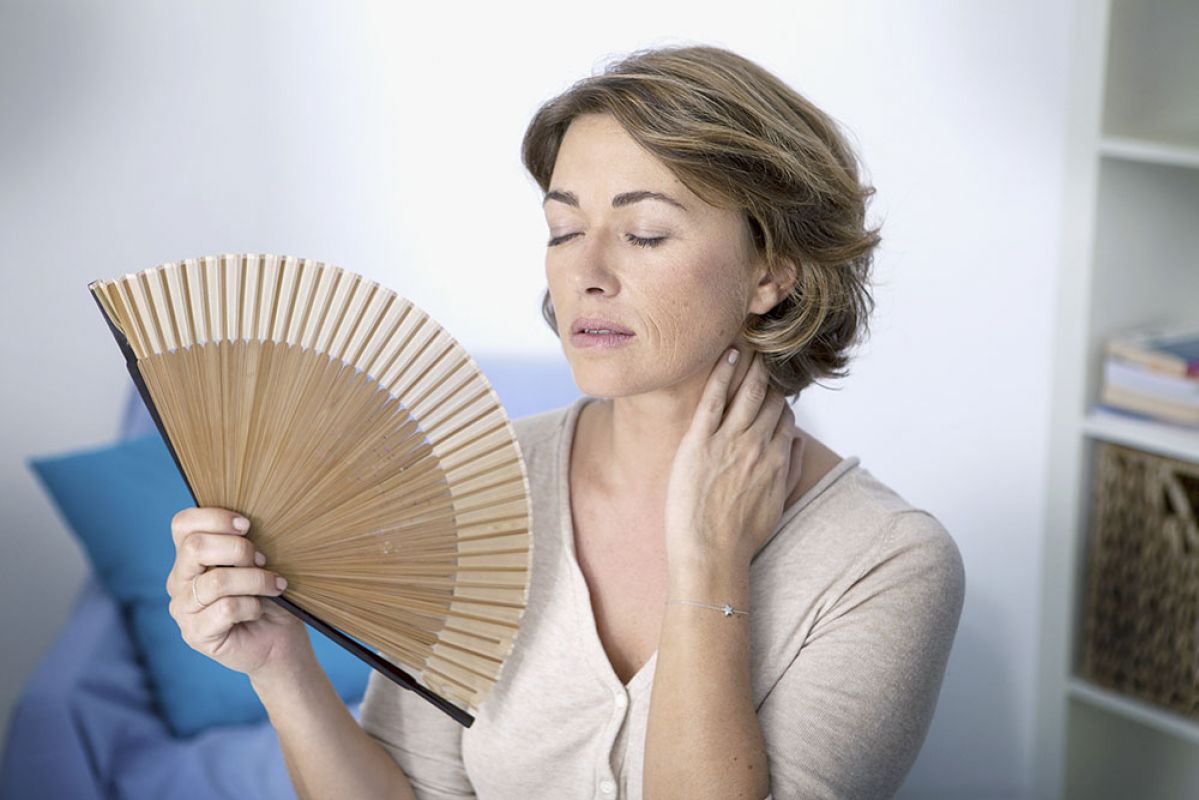
9. Get Regular Acupuncture. Acupuncture has been shown to raise estradiol levels. It reduces hot flashes and may be effective on its’ own as a hormone therapy when combined with Chinese herbs. Another important benefit of acupuncture during perimenopause is its’ effect on mood, including helping with both anxiety and depression. Weekly sessions for eight to ten weeks is generally recommended to achieve symptom relief. Note: acupuncture is not as effective for hormone-related vaginal dryness or bladder infections: for these issues, there are DHEA and estrogen vaginal suppositories we can recommend.
As a final note, I was quite intentional choosing nine tips. In numerology the number nine signals completion, the end of a cycle or phase. There is a great emotional and spiritual component to the perimenopausal and menopausal transition that I am increasingly aware of. In my case, I feel a shift away from more external ambitions, and towards a more internal awareness. I am suddenly much more interested in how fulfilled I am in life, in whether or not I am achieving my spiritual goals as a human being on this planet. I am more focused on what I find most important in life: healthy relationships, effective communication, love, the simple happiness of being together in the moment, being in nature. When we reach menopause, we cross the threshold of adulthood to elder. We realize our mortality, and we realize we only have so much time left to uncover for ourselves our true purpose in this life.
I recently provided acupuncture for some patients wrestling with Lyme disease–two of them chronic and one lucky one (just back from a trip to the East coast) being treated in the very early stages. I found myself thinking what a terrible disease this is, and how important it is that people understand how to detect it before it becomes too advanced. Living in Colorado I tend to get lazy; I know Lyme disease is rare here, and don’t generally feel like I need to worry. But is that true? I dug a little deeper to find out.
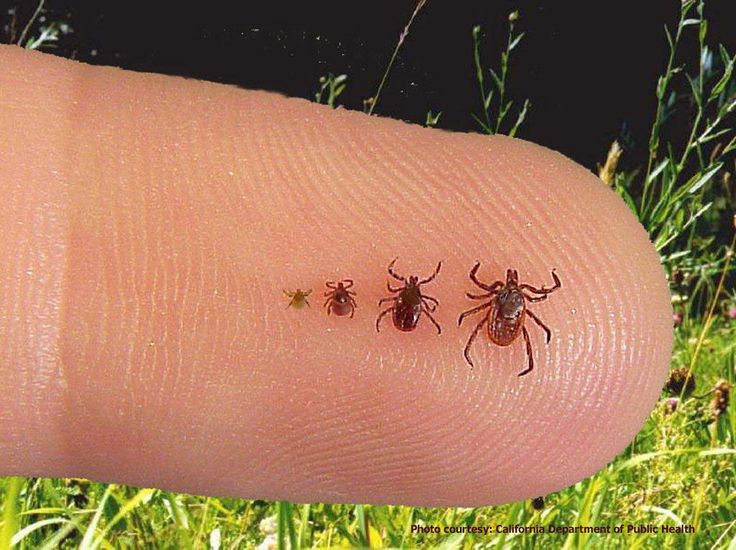
The majority of Lyme disease is reported on the East coast, but infections occur in north-central Midwest states as well as on the Pacific coast. About 30,000 cases are reported annually through the CDC, but the CDC estimates the actual number to be about ten times higher, due to failure to diagnose the illness. The disease is contracted through the bite of the blacklegged tick (also called deer tick), a tiny tick no bigger than a sesame seed, which then infects its host with the spirochete Borrelia burgdorferi.
Now let me be clear: you do NOT want this disease! Early symptoms are flu-like, including fatigue, headache, joint swelling and dizziness. Seventy to eighty percent of Lyme patients will have a bulls-eye rash at the site of the bite. Other symptoms can include irregular heartbeat, nerve pain, nausea, vomiting, diarrhea and abdominal pain. Chronic symptoms are much more insidious, as the Lyme pathogen makes it’s way deeper into the joints and organ systems, the brain and nervous system: symptoms may include chronic fatigue, swelling and joint pain, memory loss, headaches, cognitive decline, neuropathies, depression, insomnia and heart-related symptoms.
But are we at risk in Colorado? The answer appears to be controversial. There have only been 13 reported cases of Lyme in Colorado since 1990–and none of those cases appear to have originated from here. And yet–most of us have encountered someone living in this state who has been or is diagnosed with this disease.
So here’s what I think: while we may not be at significant risk for contracting Lyme within Colorado, some of us may be at particular risk for suffering from chronic infection. Why? First, it’s very hard to diagnose Lyme in the beginning; it takes four to five weeks for antibodies that fight Lyme to appear in the bloodstream, so most blood tests will be negative before that time. My patient with the acute Lyme disease initially tested negative. She told me that the only reason she was diagnosed was because the doctor she went to while still on her East coast trip had seen numerous Lyme cases.
Second, doctors do not see many cases of Lyme in Colorado; therefore they are not versed in accurate diagnosis. Because early symptoms of Lyme disease mimic many other illnesses including the common flu, doctors or urgent care medical workers do not consider the possibility of Lyme. Also, many do not consider ordering a blood test to rule out Lyme infection in patients reporting symptoms in later stages.
One of my patients was not diagnosed with Lyme for 17 years. I’ve known a handful of people here in Colorado who went for years with undiagnosed chronic Lyme disease who tell me they were told by doctors that they had Illnesses like chronic fatigue syndrome, depression, autoimmune disease, arthritis, persistent insomnia and idiopathic neuropathy. And of course once the body’s systems are weakened with a parasite like Borrelia burgdorferi, other opportunistic infections and immune system suppression or over-reactions are much more likely to occur, even further disguising the source.
Finally, considering the amount of out of state travel, it’s unlikely that people are not picking up Lyme elsewhere and bringing it to Colorado. Even though Colorado appears to be a very low-risk state, the fact is: people travel, pets travel, and wildlife migrates. Check out the following article on Lyme patients in Colorado, featuring Monica White of Poncho Springs, Colorado whose entire family finally tested positive for Lyme.
So if you are someone who has traveled out of state in recent years (and particularly to the East coast) who suffers from symptoms that are suspiciously similar to Lyme disease, demand a test from your doctor.
And in the meantime, there are other tick-borne diseases as well. For a list of Colorado state reportable tick-borne disease, visit this site. If you plan on hiking a lot (or hanging about generally in nature) during active tick season, or are planning a trip to a state where Lyme disease is prevalent, then consider the following tips:
Peak tick season is April through September, but ticks are known to persist into colder weather and even snow. So be cautious even in cooler weather.
Wear tight pants tucked into socks or shorts with longer socks…white or light-colored clothes are best as the ticks will be more visible. Braid long hair or pull it back tightly in a pony tail.
Avoid walking through tall grass and bushy areas, or leaning against logs or trees.
Perform tick checks daily after spending time outdoors. Important areas to check include the hairline, nape of neck, around the ears, armpits, groin area, behind the knees, in the navel and between toes. Shower when you get inside.
CHECK PETS thoroughly after hanging out in a tick habitat. You may want to give your pet a bath before allowing them to sleep in your bed that night.
Spray clothing with a natural tick repellent. Here is a link to a DIY bug spray recipe which is non-toxic and DEET free.