
The Roots of Acne: Healing Naturally

Let’s face it: we all have health issues, however mild they may be. Some health issues are more visible than others, and it is these health issues that often cause the most anxiety. Acne is one of those relatively benign conditions that gets displayed to the world; consequently, it is one of the most distressing.

Obviously, acne can be a normal and transient phenomena connected to shifts in hormone levels during puberty. But acne that lingers into adulthood is a symptom that can be persistent and hard to treat. There are long-term negative side effects from medications such as Accutane used in the conventional treatment of acne. These include development of bowel diseases such as Crohn’s, liver damage, depression, and miscarriage and other birth defects if taken during pregnancy. This leaves adults who suffer from chronic acne faced with two choices: take health risks with current medications, or take the time to get to the root of the causes of their acne.

Personally, I think the silver lining of acne is that an individual can use this symptom as a barometer of measuring how well they are doing in bringing their body back to a state of balance. So what are some of the root causes of acne? And what are some natural treatments that can help? A common theme of most forms of acne is gut imbalance and hormonal imbalances.

In Chinese medicine, we describe acne as “toxic heat and phlegm at the skin level”. The word “heat toxins” in Chinese medicine refers to bacterial or other microbial infections that lead to inflammation, and can be visibly seen as abnormally red or pink discoloration. “Phlegm” refers to any build up of abnormal thick and viscous fluid in the body. We will typically ask a patient with acne to remove foods that contribute to phlegm and heat (inflammatory) build up in the body, such as dairy, sugar, alcohol, peanuts, coffee, wheat, spicy food, chicken, shellfish, and fatty/greasy foods. It is interesting to note that many of these traditional foods to avoid for acne are also common allergens.

While removing these foods may help and in some cases even significantly clear up the acne, many adults with chronic acne will need to work more deeply on gut repair and/or hormonal balance. Acne on the face is more indicative of a hormonal imbalance, whereas acne on the chest, back and shoulders is often due to bacteria and fungi on the surface of the skin and in the bloodstream in addition to occluded pores. Adding antimicrobial herbs or substances both internally and topically can be helpful in managing this type of infection.

But how did the abnormal microbes get there in the first place? Isn’t that part of the real issue, and the acne simply a signpost? The reason abnormal microbes make their way into the bloodstream is usually through a common modern gut imbalance called leaky gut syndrome. Leaky gut syndrome occurs when the spaces between the microvilli (tiny cells that comprise the epithelial lining of the small intestine) widen so much that small food particles and microbes that normally are only present within the digestive tract are able to directly enter the bloodstream. There are many reasons why this is occurring, but suffice it to say that both our modern age of drugs and antibiotics, and our excessive exposure to gluten in both food and topical products, are two major contributing factors.

As if healing the gut weren’t complex enough, hormonal changes also contribute substantially to acne break outs. Any woman can tell you that when she is emotionally stressed, often the first place it shows up is through menstrual or premenstrual issues: bloating, emotional lability, acne. Elevated levels of stress cause the body’s adrenal glands to overproduce a hormone called cortisol, which raises blood sugar and blood pressure levels; excess blood sugar will contribute to the proliferation of microbes circulating in the bloodstream if the woman has leaky gut syndrome.

More significantly, since the adrenal glands produce both cortisol and sex hormones from the same mother hormone called pregnenolone, the overproduction of cortisone can lead to an imbalance in the sex hormones. In addition, abnormally high levels of cortisol will directly contribute to a restless and poor quality of sleep, negatively affecting many important systems, including neurological, immune, digestive, and endocrine (hormonal). Managing stress therefore becomes a critical component of hormone balance and acne reduction. This is one area where acupuncture can contribute significantly to acne management.

Polycystic Ovarian Syndrome (PCOS) is a complex hormonal imbalance involving higher than normal levels of testosterone and androgens. Women with PCOS often exhibit symptoms related to excess androgens, including hirsutism or the growth of excess facial or body hair, irregular or absent menstrual periods, excessive production of oil in the sebaceous glands resulting in acne, insulin resistance (elevated blood sugar), high blood pressure, and alopecia or thinning hair on the head. In these women, bringing down levels of testosterone and other androgens, balancing blood sugar, and eating an anti-inflammatory (low carb) diet is critically important in clearing up acne. Most women can safely manage PCOS with diet, exercise, and natural herbal and supplement therapies. If you suspect you might have PCOS, it is important to get confirmation with your doctor with an ultrasound and lab testing.

Since hormones are processed in the liver, it makes sense that optimizing liver health would be an important factor in addressing chronic acne. Other signs of a sluggish liver might include a tendency to allergies, fatigue, frequent waking between 1-3am, moodiness, dry and itchy skin, red and itchy eyes, and poor digestion with a tendency to constipation. I recommend that everyone complete a liver cleanse once or twice a year; in Chinese medicine the liver is most active in the spring, and this is the best time. We can provide suggestions for a 2 or 4 week food-based liver cleanse at DCA or you can find different types of liver cleanses online. Foods to include on a year-round basis to support liver health include cruciferous vegetables, beets and beet greens, and turmeric. To read more about liver health, check out our article on Liver Qi Stagnation here and our article on allergies and liver here.

Finally, there are numerous scientific studies connecting acne with nutritional deficiencies. Important deficiencies affiliated with skin health include zinc, vitamin A and E, vitamin B3, B5 and B6, as well as selenium and copper. Supplementing with these nutrients can be an effective way to help reduce acne. In this article I’ll discuss two: zinc and B5, specifically pantothenic acid.

Zinc has been one of the most studied natural treatments for acne; several clinical studies have shown a correlation between zinc deficiency and a tendency to acne. Zinc reduces activation of keratinocytes–cells that produce keratin, a tough protein that binds skin cells together. Too much keratin prevents cells from separating, leading to blocked pores. Zinc has antibacterial and anti-inflammatory properties, and additionally is a mild DHT blocker, meaning it reduces the effect hormones have on skin. Although clinically, modern-day antibiotics have been shown to be more effective in treating acne than zinc, several studies show zinc’s effectiveness to be about on a par with antibiotics of the 70’s and 80’s. More bioavailable forms of zinc work best, including chelates of zinc, and zinc picolinate.

High dose pantothenic acid (formed with two B5 molecules and sulfur) has also been used to successfully clear up acne and improve skin quality. As in the case of PCOS, elevated testosterone in both males and females is associated with increased oil production in the skin, resulting in acne. This increase in oil production occurs within the sebaceous glands at the root of the hair follicles. Both Accutane and pantothenic acid work by two different mechanisms on reducing this oily buildup: Accutane shrinks the sebaceous glands while pantothenic acid directly reduces the oil production of the glands.

Pantothenic acid is a major component of Co Enzyme A (CoA), which is used at the cellular level for fatty acid oxidation and energy production. The more CoA, the more fatty acids can be metabolized (oxidized or burned for energy production); if there is a deficiency, the oxidation of fatty acids slows down, and the skin becomes oily. Taking vitamin B5 or pantothenic acid, is the quickest way to increase CoA, and the rate of fatty acid metabolism. The doses of pantothenic acid required to have a visible effect on acne are large–5 to 10 grams–which can cause uncomfortable symptoms, including gastrointestinal gas and bloating. Fortunately, when combined with L-carnitine (which transports fatty acids across the mitochondrial membrane where they can be oxidized), the dose can be dropped to around 2.5 grams per day, eliminating symptoms. An additional bonus to supplementing with this duo is increased energy metabolism and consequent weight loss.

At our apothecary here at DCA we carry Acnutrol by Designs for Health, which contains all the nutrients described above in the doses that are optimal for acne resolution. A topical Acnutrol gel additionally contains antimicrobial compounds for faster results. Other supportive therapies include acupuncture, which helps to clear inflammation and increase circulation in the affected areas, and facials designed for clearing up acne.
Opioid Use and Abuse: Can Acupuncture Help?

Most of us have encountered someone in our lives who struggles with an addiction to what was once a medically-prescribed drug. The overuse of prescription pain-relieving medication, and of opioids in particular, is dramatically on the rise both in the United States and around the world. Can acupuncture be used as an alternative to addictive prescription pain-relieving meds for people seeking relief from chronic pain? How about as a way to reduce dosage and therefore reduce risk of addiction and other side effects?

Opioids include drugs such as OxyContin, Percocet and Vicodin, which are mostly prescribed for treating moderate to severe pain. The drugs work by attaching to opioid receptors found on nerve cells in the brain, spinal cord, gastrointestinal tract and other organs in the body–reducing the perception of pain and producing a sense of well-being. The downside? They also produce drowsiness, mental confusion, nausea, and constipation. And oh yeah, they are highly addictive. An estimated 26.4 to 36 million people abuse opioids worldwide, with an estimated 2.1 million people in the United States suffering from substance use disorders related to prescription opioid pain relievers.

The facts get scarier than that. The number of unintentional overdose deaths from prescription pain relievers overall have quadrupled since 1999, with overdose deaths due to prescription opioids more than tripling. There was a five-fold increase in treatment admissions for abuse of prescription pain relievers between 2001 and 2011. In 2010 alone there were 13,652 unintentional deaths from opioid pain relievers (comprising 82.8 percent of deaths from all prescription drugs). In that same decade, positive opioid tests among drivers who died within one hour of a crash tripled.

This hits close to home in our native state of Colorado, where we have seen prescription drug opioid death increase four-fold in the past ten years. In fact, Colorado was awarded more than $2 million in federal funding to combat opioid addiction in 2016. It may not come as a surprise to learn that Colorado, one of the first states to legalize marijuana, stands out as a top consumer of all four major substances, including marijuana, alcohol, cocaine, and non-medical opioids.

Alongside alarming rises in numbers of opioid drug abuse, comes the unintentional partnership with the current medical establishment: the total number of prescriptions for opioids have escalated from around 76 million in 1991 to nearly 207 million in 2013, with the United States the biggest consumer globally. Although opioid medications effectively treat acute pain and help relieve chronic pain for some patients, their addiction risk presents a dilemma for healthcare providers who seek to relieve suffering while preventing drug abuse and addiction.

So once again: can acupuncture be integrated into part of a solution? Clinical studies indicate that acupuncture stimulates the brain’s own natural opioid system, including endorphins and enkephalins that inhibit pain, decrease stress, and lower blood pressure. In a research study conducted by Duke University Medical Center anesthesiologists, acupuncture used both before and during surgery yielded impressive results: significantly reducing levels of painkillers required after surgery, with side effects such as nausea, dizziness, itching and urinary retention cut in half.

Numerous other studies reveal the release of natural opioids with acupuncture, such as those conducted at the UC Irvine School of Medicine. Cardiology researchers demonstrated repetitive electroacupuncture yielded significant lowering of blood pressure that lasted for at least three days by increasing the gene expression of enkephalin, one of three major opioid peptides produced by the body.

If combining acupuncture with opioid medications would assist in lowering a person’s dosage or allowing them to get off of the medication altogether, it would make sense that acupuncture could play a significant role in preventing risk of addiction. It is estimated that more than 100 million people suffer from chronic pain in this country, and for some of them, opioid therapy may be appropriate. However, the bulk of American patients who need relief from persistent, moderate-to-severe non-cancer pain have back pain conditions (approximately 38 million) or osteoarthritis (approximately 17 million)–both conditions that respond favorably to regular acupuncture treatment.

With no long-term studies demonstrating that the benefits of opioid prescriptions actually outweigh the risks, in my humble opinion the medical establishment should be actively seeking solutions. Wiith the military already exploring acupuncture as a way to reduce the dosage of pain relievers, doesn’t it make sense for the national medical establishment to follow suit?

To learn more about America’s addiction to opioids and what the National Institute on Drug Abuse (NIDA) is doing about it, click here.

Battlefield Acupuncture: Powerful Ear Points for Pain, Anxiety, and Addictions

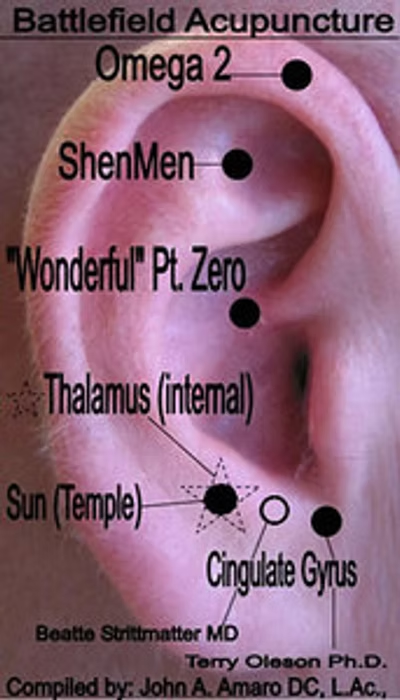
In recent weeks we have added a new therapy to our community acupuncture offerings: “battlefield acupuncture”. Battlefield acupuncture is an auricular (ear) therapy that was invented by Dr. Richard Niemtzow, M.D, PhD. The treatment uses small gold or stainless steel semi-permanent needles in the skin of the ear to block pain in as little as five minutes. The needles are left to fall out on their own or be removed in 1-3 days.

Dr. Niemtzow served as a consultant for complementary and alternative medicine to the Surgeon General of the Air Force. He initially introduced battlefield acupuncture in 2008 at Landstuhl Regional Medical Center in Germany, where it was applied to wounded service members and local patients for pain relief, with significant results:

A pain specialist at Landstuhl personally experienced a 25 percent increased range of motion and a 50 percent reduction in chronic shoulder and upper back pain he had experienced for several years. He then recruited his most challenging patients for whom traditional pain treatments offered limited relief. Within minutes, many said their pain had been reduced by up to 75 percent. To put this in perspective, a 25 percent reduction would be considered a success with traditional pain medications.

Beginning in 2009, the U.S. Air Force began training physicians in this method who were being deployed to Iraq and Afghanistan. The pilot program was designed to train active-duty physicians to provide battlefield acupuncture services for both the relief of pain and for post traumatic stress syndromes, expanding health care services to personnel on the front lines.

To clarify, battlefield acupuncture is not designed to replace standard medical care for war-related injuries, but to assist in pain relief and either reduce or eliminate the need for pain medication for acute and chronic pain. Results are usually expected within minutes, and there are virtually no complications or side effects. The duration of relief varies with each patient from hours to days–but treatment usually progresses from about two times per week to as little as once per month or longer. In some cases, further acupuncture treatment is no longer required.

Battlefield acupuncture has now expanded beyond military use into acupuncture clinics all over the world. There are five specific points which are classically used, however many practitioners only use two, depending on patient response. The ear protocol is very effective for any type of pain, acute or chronic, but is also effective for anxiety, neurosis, and any psychological or stress related issue. For this reason, it can be helpful for aiding in addiction recovery as well.

Curious to try it out? The treatment is offered in addition to body acupuncture at DCA for an extra charge of only $10.

Five Ways Conventional Thyroid Testing Fails Millions

January is Thyroid Awareness Month. As someone diagnosed with hypothyroidism who takes daily thyroid hormones, this topic is especially close to my heart. As a health practitioner it is an even more poignant topic, due to the modern epidemic in thyroid dis-ease that is now estimated to affect one in five women, and one in eight men. In fact, current estimates indicate that up to 60 million Americans likely suffer from thyroid disease–many going undiagnosed. Synthroid (or synthetic thyroid hormone T4) is currently the number one prescribed medication in the United States!

It is not uncommon to have someone come in listing more than five clear signs of hypothyroidism (under-functioning thyroid) only to have them tell me that their doctor recently tested their thyroid hormone levels and found them “normal”. At this point I take a deep breath and try to explain to them why their conventional medical doctor is most likely using woefully inadequate testing methods, and even worse, how this may negatively impact their health for many years to come.

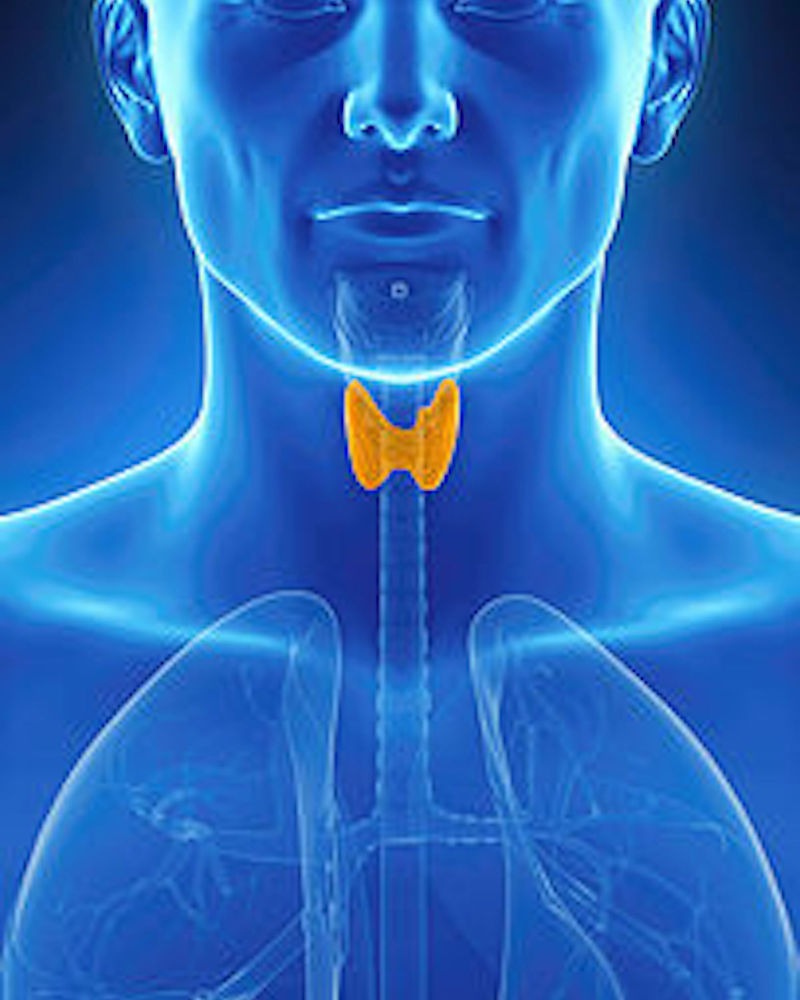
The thyroid is a small butterfly-shaped gland resting in the anterior throat with a powerful effect on nearly every system in your body. From body temperature regulation, to sex hormone interaction and regulation, to metabolism (fat burning to fat storage) efficiency, to cellular energy production: we are only at the tip of the iceberg when it comes to understanding just how critical this “tiny but mighty” gland is to our overall health. While this topic is a large one that deserves entire books and hours of lecture, I would like to share the following five critical points with our patient population:

  • There are four thyroid hormones required to properly assess thyroid health. Your conventional medical doctor will in all likelihood test one: TSH or Thyroid Stimulating Hormone, which is actually secreted by the pituitary gland and not the thyroid. When you schedule your next doctor visit and they or you would like to get your thyroid tested, please request the following hormone panel: TSH, Free T3, Free T4 and Reverse T3. Unfortunately, many insurance companies will not cover anything other than TSH, so know that it is worth every penny to pay out of pocket for the “extras”.
  • In the United States, the majority of hypothyroid cases are due to a condition called autoimmune thyroiditis or Hashimoto’s Disease. This is an autoimmune illness in which the immune system attacks the thyroid tissue. (For more information about this disease, an excellent book is The Root Cause by Izabella Wentz.) Conventional doctors almost never test for this illness, because for them the treatment is the same regardless of cause: supplement with thyroid hormones based on test results. You can insist on having two basic antibodies, TPOAb and TgAb, added to your thyroid blood panel to rule out Hashimoto’s. If you have elevated antibodies, you have an autoimmune condition and need to work on healing your immune system, not just supporting the thyroid. FYI, for a long time thyroid hormone levels are normal while antibodies steadily rise. This makes testing for antibodies even more important.
  • If you are having symptoms of hypo or hyperthyroidism (you can easily search symptom lists online), insist on both a physical exam and an ultrasound in addition to lab testing. Sometimes test results are considered within normal range, yet the thyroid may contain palpable nodules or signs of swelling visible in an ultrasound indicative of early stage disease. At this stage, you can restore normal thyroid function with the help of an educated health practitioner.
  • Be aware that the lab ranges conventional doctors use to identify normal or abnormal thyroid function are much broader than those used by functional medicine practitioners who are targeting optimal rather than normal ranges. As an example, most conventional doctors consider TSH blood levels between 0.5 and 4.5 to be the normal range; in functional medicine an optimal range of 0.5 to 1.5 and definitely less than 2.0 is considered ideal. If you are feeling lousy yet are told your thyroid is normal, take your same test results to a functional medicine practitioner or natural doctor and they are likely to respond very differently than your doctor.
  • Finally, most conventional doctors will be quick to prescribe Synthroid (or levothyroxine), a synthetic form of T4, should your test results come back showing sub par levels of hormone. Be aware that T4 is the inactive “storage” form of thyroid hormone which is converted to T3, the active form producing the results. For a variety of reasons including nutritional deficiencies, high levels of stress, and genetics, many people do not convert T4 to T3 effectively. For this reason many people do better on forms of thyroid medication that combine T4 and T3, including Naturethroid, Westhroid, and Armour. It is even possible to combine Synthroid with a pure form of T3 called Cytomel. It can take patience and several months to come up with the right medication and dosage for optimal effect in reducing or eliminating symptoms in unique you. Run from a doctor who is not willing to work closely with you in the beginning to find that magic formula.

Some of the most common symptoms of hypothyroidism include: fatigue and low energy, unexplained weight gain, hair loss, muscle cramping and aching, hoarse voice, low sex drive, menstrual cramps, high cholesterol, loss of outer edge of eyebrows, fluid retention or swollen feet, low blood pressure, and excessive earwax. Infertility (difficulty conceiving) and frequent miscarriage can both be connected to an under-functioning thyroid. An extensive clinical examination and history is extremely important. If you suspect you have thyroid illness, you need to take action as soon as possible, but also need to be careful to find the right doctor to work with you.

Most importantly, be your own advocate: do the research and know the right questions to ask. Your symptoms are NOT in your head! Finally: come in for some regular acupuncture! I have found acupuncture to be a powerful support for regulating thyroid-related symptoms. If your thyroid symptoms are early stage they are often possible to resolve without medication, and regular acupuncture while you are treating with supplemental care can be invaluable.

For more information, visit:

VeryWell.com

2017 Year of the Fire Rooster: What is in Store for Us?

For those of you ready to rest after a year of Fire Monkey shenanigans…you just may be disappointed. January 28th will usher in the Year of the Fire Rooster and it is destined to be another powerful one–although this time be cautioned to take less risks and err on the side of caution. Unlike the Year of the Monkey, when risk-taking is encouraged and all kinds of crazy opportunities may arise, the Year of the Rooster is best navigated with well-proven and practical paths to success. Tapping into Rooster traits this year can be helpful for non-Roosters:

The rooster is the tenth of the twelve Chinese zodiacs, and the only bird species included. People born in the year of the rooster (1945, 1957, 1969, 1981, 1993, 2005, 2017) tend to be extroverts and experts in maneuvering through social situations. Persistence, strength and dynamism are hallmarks, as are loyalty to family, hard work and commitment. Rooster personalities tend to be restless and can be overly concerned with external appearances, however the same traits can manifest as forward-thinking and self-confidence. While these social butterflies are naturally endowed with quick wit and a good sense of humor, they can get themselves into trouble with their sharp tongues and sometimes brutal honesty.

The Chinese astrological configuration this year includes yin fire resting over metal. In Chinese medicine fire conquers (melts) metal, and the configuration indicates conflict, explosive fighting, high tension, and even war. International and national conflicts are to be expected. This is therefore an important year to practice stress-relieving techniques, take up yoga or meditation, practice deepening your contemplative listening skills and coming from a neutral space in order to counterbalance the emotional intensity around you.

In terms of health, yin fire represents the heart and blood circulation as well as the brain and nervous system, whereas the metal element corresponds to the lung. Expect increased flu outbreaks or respiratory illness, greater flare-ups in skin disease as well as higher incidence of heart disease or heart attack and stroke. Take extra measures to support immunity, exercise regularly, and take supportive supplements for the heart and brain, including CoQ10, fish or cod liver oil, hawthorn, and alpha-lipoic acid.

For prospective parents due after January 28th, 2017 is considered a very good year in which to give birth. Rooster children this year are born under two rare stars: the Nobleman star is said to make a person’s life smooth with support from others, while the “Academic” star lends intelligence and a strong appetite for knowledge and study.

If you want to learn more about your Chinese zodiac year and how it interacts with the 2017 Year of the Rooster, click here.

And a Happy Solar and Lunar New Year to all our Patients from our DCA Team!

Kiss Those Holiday Food Blues Goodbye

I don’t know about you, but the holidays can be a very depressing time if you are trying to stay on your healthy diet, while watching your loved ones consume all the foods you can’t. For some of us, avoiding gluten, dairy and sugar is an elective choice to stay healthy, occasionally punctuated by splurges that don’t seem to do us any noticeable harm. For some unfortunate others, falling off our diet can lead to a myriad of symptoms that not only make us miserable, but can take several weeks to recover from. A splurge just isn’t worth it.

As someone who falls into the latter category, I have had to creatively find ways to pacify my inner child tantrums while watching someone else eat the cookies, cakes and candy, and sip on the alcoholic beverages that would put me in urgent care. Whether you are someone who can indulge here and there (but would rather not this year), or you are someone who just can’t, the good news is that there are real options that enable you to eat your yummy goodies too this year without paying a price. The bad news is, you’ll probably have to spend some extra time in your kitchen making it happen!

Here are some guidelines for those seeking to substitute ingredients that cause symptoms, with ingredients that are agreeable to most.

Sugar. Not many of us can easily kick that sweet tooth. I’ve noticed many “healthy” dessert recipes will substitute white or brown sugar with honey, agave, coconut sugar, dates or date sugar, maple syrup, molasses and other natural sweeteners. In very small amounts this is fine, but let’s face it: most desserts call for sweeteners in cups not tablespoons. And all of these sweeteners significantly spike blood sugar–not good for those of us with autoimmune illness, diabetes, or those of us seriously attempting to lose some weight. I have found the most effective combination sugar substitute for desserts such as cookies, cakes and pies to be stevia and erythritol (please buy non-GMO, as it is made from corn). These two sweeteners have zero calories, cause little to no side effects, and do not spike sugar levels at all. Erythritol can be substituted for white sugar 1:1. When combined with stevia drops, it’s possible to cut the amount of erythritol in half or even fourths. When it comes to beverages or smoothies, usually stevia alone is fine. I like the SweetLeaf stevia brand because it comes in a variety of fun Christmas-y flavors, including chocolate, peppermint, pumpkin spice, cinnamon, hazelnut, and vanilla creme. You’ll have to experiment with the right amount of drops to achieve desired sweetness.

Dairy. For me, this is the hardest one to give up. Let’s face it: there are really no satisfying replacements for cheese. No matter how hard Daiya cheese tries, peameal and tapioca does not equal cheese! So for those of you who can cheat a little without payback, go ahead. It’s Christmas. For those of you who can’t, my condolences. When it comes to cream, however, I have found an ideal substitute to be coconut milk. A word of caution: almost all canned coconut milk is thickened with guar gum, known to irritate those who are highly sensitive to gluten. I like Native Forest organic and unsweetened coconut milk the best, and they have now added a coconut milk “Simple” without the guar gum. Natural Value also carries an organic coconut milk without the guar gum.

Gluten/Grains. Got to have flour for those pies, cakes and cookies, right? For many, going gluten-free and simply avoiding wheat flour by itself can be a challenge. These days, however, there are many gluten-free flour substitutes out there, ranging from rice and potato starch-based flours, to chickpea flour-based. A warning about most gluten-free products and flours: they are almost always high in refined grains and starches and will spike blood sugar as dramatically as pure white sugar. If you are prediabetic, diabetic, or have inflammatory health issues such as rheumatoid arthritis, then these products are going to be actively working against you.

A growing number of people are following a grain-free diet, and for those folks, I recommend substituting blanched almond flour or coconut flour for regular flour in recipes. It can get a bit tricky to figure out substitution ratios, as they are not 1:1, so I would recommend searching for recipes online at paleo sites (my top recommendations below).

Alcohol. Most people can handle a small amount of wine or a cocktail here and there, but those interested in preserving their health will want to minimize the amount of alcohol they drink during the holidays. Those with gluten sensitivities will want to avoid beer altogether, or make sure they have access to the growing varieties of gluten-free beer. Individuals with blood sugar abnormalities, autoimmunity, digestive ailments or other more complicated health issues will want to either steer clear of alcohol altogether, or drink non-grain based hard liquor such as potato vodka or tequila on the rocks and limit to one or two drinks at the most. You can make a pretty mean margarita with fresh lime juice and stevia (recipe below). Alternatively, unsweetened cranberry juice with sparkling water, ice, stevia and a mint garnish is a cheerful non alcoholic drink that will make you feel like you are joining in the holiday fun.

Chocolate. I mention chocolate because Lily’s is a new brand of sugar-free chocolate now available at most health food stores. Lily’s uses erythritol, stevia and inulin in place of sugar, and offers chocolate bars, chocolate chips and baking chocolate that are really yummy.

In conclusion: you can have your cake (or pie…or nog) and eat/drink it too! To prove my point, here are five links (below) to some of my favorite holiday recipes, that I fully intend to indulge in this year! Elena’s Pantry and Against all Grain are two of my favorite recipe blog sites, and are fun to browse around in. And remember, if you are like me and simply cannot afford to “cheat” this year, plan ahead! Make some “substitute” cookies and bring them along to your office Christmas party, or bring your nog and pie alternatives to your family Christmas dinner, and you’ll kiss those holiday food blues goodbye.

Paleo Egg Nog

Substitute erythritol and/or stevia for the coconut sugar.

Paleo Pumkin Pie

This recipe does call for ½ cup honey. This amount can be cut in half with the addition of some pumpkin spice stevia drops or erythritol.

Paleo Sugar Cookies

OK, these are valentine cookies. But change the frosting color and voila! Christmas. Substitute the honey in the dry ingredients with erythritol, and half the honey in the frosting by adding cinnamon or hazel stevia drops.

The Skinny Margarita

Hold the fresh squeezed orange juice to reduce sugar further.

Gingerbread Cookies

Cut the molasses amount in half using stevia drops.

And a few more yummy holiday recipes to keep your mouth watering and your inner kid happy. Just remember to replace natural sweeteners used with my suggestions above if you are trying to keep the sugars low or absent.

May everyone have a safe, happy, healthy and delicious holiday!

Building Immunity: Seven Powerful Ways

As we move into cold and flu season, I always have a number of patients asking about building immunity. Here are seven of our top recommendations:

1. Get Your Sleep! I know I harp on this topic, but getting quality sleep is probably the greatest cornerstone of health–including immune health. Clinical studies show that sleep and the circadian rhythm (normal sleep – wake cycles) exert a strong regulatory effect on the immune function, include a specific role of sleep in the formation of immunological memory. This role appears to be associated in particular with the stage of slow wave sleep. Many people these days do not achieve the stage of sustained slow wave sleep for the periods of time necessary to boost immune health. This is due to stress levels that cause unnatural rises in cortisol. So get your stress levels down too, any way you can.

2. Take Adaptogenic Herbs Daily: specifically for immune support we recommend elderberry, medicinal mushrooms, and astragalus. Adaptogenic herbs strengthen the body against disease and help to modulate the stress response (physical, mental or emotional). Our in-house supplement Immunoberry, in liquid form, contains all three immune boosting powerhouses listed below, and is great for the whole family!

Elderberry: High in vitamin C & A, potassium, iron and vitamin B6, elderberries are chock full of immune-boosting nutrition. As a berry, they are high in flavonoids, or antioxidant “free radical fighting” compounds, that support the body when it is under viral attack. In fact, elderberry fruit extract was tested and found to be very effective against Human Influenza A (H1N1 virus) in vitro, possibly by blocking the ability of the virus to invade host cells. Researchers compared it with prescription medications Amantidine and Tamiflu. As if that weren’t enough, chemicals in the flowers and berries relieve nasal congestion and reduce swelling in mucous membranes.

Medicinal Mushrooms, such as reishi, shitake, maitake, and lion’s mane, are some of of the most powerful immunosupportive agents on the planet. There are mushrooms that kill viruses, mushrooms that kill bacteria, and mushrooms that kill yeast–which is surprising considering mushrooms are a fungi themselves. As a defense against bacterial invasion, fungi developed powerful antibiotic agents–which happen to be effective for humans as well. Penicillin, streptomycin, and tetracycline were all developed from fungal extracts.

It’s therapeutically best to blend a variety of mushrooms rather than taking one at a time, for two reasons: First, it is easy for pathogens in your body to adapt and become resistant to one strain. Second, mushrooms contain a variety of anti-infective and immunomodulating agents, and so the “sum” of these agents in a variety of mushrooms is better than that of a single mushroom. These agents are precursors to more complex compounds called beta glucans that powerfully stimulate immune response, including increasing the activity of killer T and natural killer (NK) lymphocytes. In fact, some mushrooms show great potential for battling cancer, and recent research has shown that certain mushroom extracts help chemotherapy drugs better locate and identify cancer cells by “uncloaking them”. If you or someone you know is battling cancer, have them get on a medicinal mushroom complex.

Astragalus, known as Huang Qi in traditional Chinese medicine, is one of the most well-known Chinese herbs for boosting immune health. Astragalus has potent antibacterial, anti-inflammatory, and antioxidant properties, contributing to its centuries-old use in recovery from colds, flus, and respiratory illness. Researchers in the United States have looked into it as a possible treatment for people whose immunity has been weakened by chemotherapy or radiation. One of my favorite Chinese herb teachers during my school years was well into his ‘80s, and sipped on a quart jar of decocted astragalus all day long. It was his favorite herb (and there are over 1000 Chinese herbs to choose from), and he believed it extended lifespan.

3. Take vitamins C, D, and A. No surprise here, except that you should know that your multivitamin often won’t have anywhere close to the dosage required. We recommend 1-2,000 mg/day of vitamin C daily, preferably in two divided doses. If you are undergoing high levels of stress, you can raise that dose to 3,000 mg/day. Serum levels of vitamin D should preferably be monitored through your physician. If you have not been supplementing on a regular basis, take 5,000 IU/day of vitamin D daily for 2 months, then get yourself tested. You should be aware that most doctors use a reference range of 20-40 ng/mL as “normal”; functional medicine ranges would have you closer to 50-80 ng/mL. Once in the functional range, you can cut back to 2,000 IU/day. Finally, you can safely take up to 10,000 IU/day of vitamin A; however if your diet is high in beta carotene (carrots, yams, etc) then you might want to cut back to 5,000 IU/day.

4. Grow your Gut Biome Garden. The state of your gut microflora is critical for proper immune function and overall health. The human gut is an ecosystem consisting of a high number of co-existing bacteria populations. Research confirms that these gut populations (called “gut flora” or “gut microbiome”) are engaged in a dynamic interaction with the intestinal wall and adaptive immune function. In fact, your gut wall houses 70% of your immune system. Gut health–much of which is attributed to the health of your gut microbiome–is therefore critical to your immune health. Many people don’t connect digestive problems with allergies, autoimmune disease, weak immune function and even cancer, but there is almost always a relationship. So take your probiotics and/or eat fermented foods on a daily basis. For those with more digestive complaints, start with dairy-free probiotics. Those with more serious digestive or autoimmune issues should work with a qualified practitioner. As the gut grows in strength and integrity, adding in kefir, kombucha, sauerkrauts and other fermented vegetables daily will grow your “garden” over time.

5. Ditch the Sugar. One teaspoon of refined white sugar lowers the immune system for five hours! This is one reason why colds and flus tend to really skyrocket after Halloween, and then over the holiday season when people’s sugar and alcohol intake tends to significantly rise. Keep the sugar (and alcohol) low or gone, and you’ll find yourself dodging those viruses more often than those around you.

6. Cook with Spices and keep the bugs away! Thyme, oregano, cumin, basil, ginger, turmeric and other common kitchen spices are high in antimicrobial activity, warm and activate your digestive function, and generally keep you protected from viruses. So be liberal with spices in your cooking this fall and winter, and you should find yourself less prone to infection. Better yet, cheer up your mornings with a spicy winter chai, high in cinnamon, ginger, coriander and black pepper.

7. Get Regular Acupuncture! Acupuncture has been found in numerous clinical studies to strengthen and improve immune function. In the absence of other health issues, we recommend coming in once or twice a month for immune support during the winter months.

For those of you tempted to get a flu shot, before you roll up your sleeve, consider research that points to flu vaccinations as literally being a shot in the dark. From all of us here at DCA, we wish you a healthy, happy, viral-free winter!

Gluten: Why Is It So Bad?

“Can you please tell me why gluten is so bad for me? I’m hearing it everywhere, and I just don’t get it. My doctor told me to cut it out of my diet for a few months and it doesn’t seem to make any difference! I’m tired of staying away from all the foods that I love!” My patient–an athletic woman in her mid thirties–was clearly exasperated and searching for answers. She had suffered from mild to medium depression for the past five years, but otherwise enjoyed pretty good health.

Going gluten-free has been a dramatically growing trend for the past several years, and it’s hard not to find Gluten-Free (GF) labeling on health food packaging anymore. But why? Many people who go gluten-free find miscellaneous health symptoms either improved or completely gone. Others, like my patient above, may not notice any difference at all. For those who notice a difference and can appreciate the health benefits, it may be an easy thing to avoid. But for others, it’s not so clear. So what’s the verdict: is gluten OK for some people and not for others?

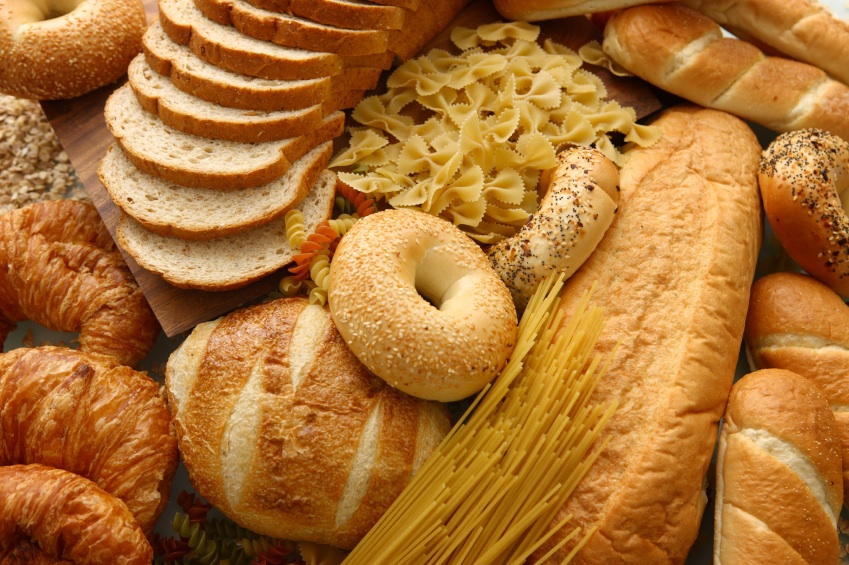
Gluten is the name for a group of proteins found in high amounts especially in wheat, but also barley, rye, spelt and kamut. Oats do not contain gluten, but are largely processed in facilities that also process wheat, and so almost always contain trace amounts of gluten. The latin name for “glue”, gluten proteins are what makes dough sticky, giving the airy quality to soft, chewy breads and baked goods we love so much.

One of the first things to understand about gluten, is that it has been shown scientifically to contribute to leaky gut syndrome. This is particularly bad in individuals who are genetically or otherwise prone to leaky gut, but it can be potentially dangerous for everyone.

Dr. Alessio Fasano, M.D., founder and director of the Center for Celiac Research at Massachusetts General Hospital and a professor at Harvard Medical School, has done leading research into gluten and leaky gut. He discovered that gluten triggers the production of a substance known as “zonulin”, which causes the tight junctions of the small intestine cell wall to loosen. In good health, the tight junctions soon close up again; but with overexposure, or in poor health, the tight junctions remain open. This allows not only the nutrients intended to pass through the small intestine and into your bloodstream, but also larger food particles not intended to pass through. Called “leaky gut”, this condition leads to an over-active immune system fighting food particles not meant to pass directly into circulation. If not resolved, in time this leads to autoimmune illness. Since we have a growing epidemic in autoimmune illness, this is very important to connection to make.

The second thing to understand about gluten is that we are way more exposed to it than at any time in our human history. Why is this? Scientists figured out through a process called “deamination” that by removing one of the amino acids from the gluten proteins, gluten becomes water-soluble. This chemical “magic trick” transforms gluten into its nearly universal use as a preservative and a thickener. In its deaminated form, gluten is added to nearly all processed foods and to a vast majority of personal-care products as well, including toothpaste, shampoo and lotion. In fact, it is now such a common additive that our government does not require it to be labeled on packages. It’s often hidden under such names as “hydrolyzed vegetable protein”, “food starch”, or even “natural flavors”.

This is very bad news if you happen to carry the gene for celiac disease, a serious autoimmune condition of the gut triggered by gluten exposure. As it turns out, an estimated thirty percent of people of European descent carry the gene for celiac disease, which either makes them highly susceptible to gluten, or downright sick. Significantly, an estimated 99 percent of the people who have celiac disease or gluten sensitivity are never diagnosed. Consider that even a tiny amount of gluten in a single dose can in many individuals trigger a significant inflammatory response in the gut that can last up to 3 months! Suddenly it is easy to understand why we are seeing growing explosions in digestive and autoimmune illness.

But what if you don’t carry the gene? Even if you don’t carry the gene, you can put two and two together: between Dr. Fasano’s discovery that gluten opens up the cellular junctions in the small intestine, and the nearly universal exposure to gluten that most people experience on a daily basis–well, let’s just say it’s a recipe for widespread issues with leaky gut syndrome even in those who aren’t genetically predisposed.

The third thing to understand about gluten is that it is, quite literally, not the same form of gluten that our ancestors consumed. In the quest for ever lighter, fluffier forms of bread and other baked goods, as well as in an effort to create hardier strains of wheat, farmers and corporations have developed new hybrids. Just as food growers figured out how to create a nectarine by crossing a peach with a plum, they have also developed new strains of wheat. The price? Hybridization created new forms of gluten–brand new proteins that our bodies do not recognize, and which are not found in either of the original strains. I should mention here, that most of these strains are grown and consumed in the United States.

About eight years ago I traveled in Spain for a month. As an aside, I happen to be one of those not-so-fortunate people carrying the gene for celiac disease. I had figured out several years before this trip that not eating gluten saved me from a number of uncomfortable digestive complaints that had persisted for years through my twenties. During this trip, for some reason, I couldn’t stop eating bread. It was delicious; I ate it at least once or twice a day, piling on a variety of the tantalizing Spanish “tapas” of cheese and meats. And…I had absolutely no problems at all! When I got back the U.S., I decided to try wheat again. Hey, maybe I had outgrown my issue? Without missing a beat, I immediately reverted back to my original digestive “angst”, and this time much worse than before.

So again, what’s the verdict on gluten? Here is my humble opinion: if you are anywhere on the spectrum of autoimmune illness, which includes suffering from chronic inflammatory conditions anywhere in the body, avoid gluten like the plague. Buy personal care products labeled gluten-free, avoid processed foods, and cook a lot at home. If you have a diagnosed digestive disease, including crohn’s, celiac, ulcerative colitis, or even GERDS (acid reflux), I would adopt the same approach. If you suffer from chronic neurological symptoms, such anxiety, depression, bipolar, OCD and so forth, I would still cut all gluten from your diet. This is because many neurological symptoms include chronic inflammation in the brain, which can be directly aggravated from components of gluten proteins that enter the bloodstream.

IF you have no family history of any of the above, are healthy with a strong immune system and no digestive complaints: then, you can probably eat some gluten safely. I would still try and keep your overall daily exposures low though. And I would go for organic, non-hybridized strains of wheat, preferably sprouted or fermented–think sourdough bread as our ancestors prepared it.

And finally: an apology to my patient mentioned above. I do not think I adequately explained the “whys” of keeping gluten out of her diet, due to time limitations. I hope she reads this article.