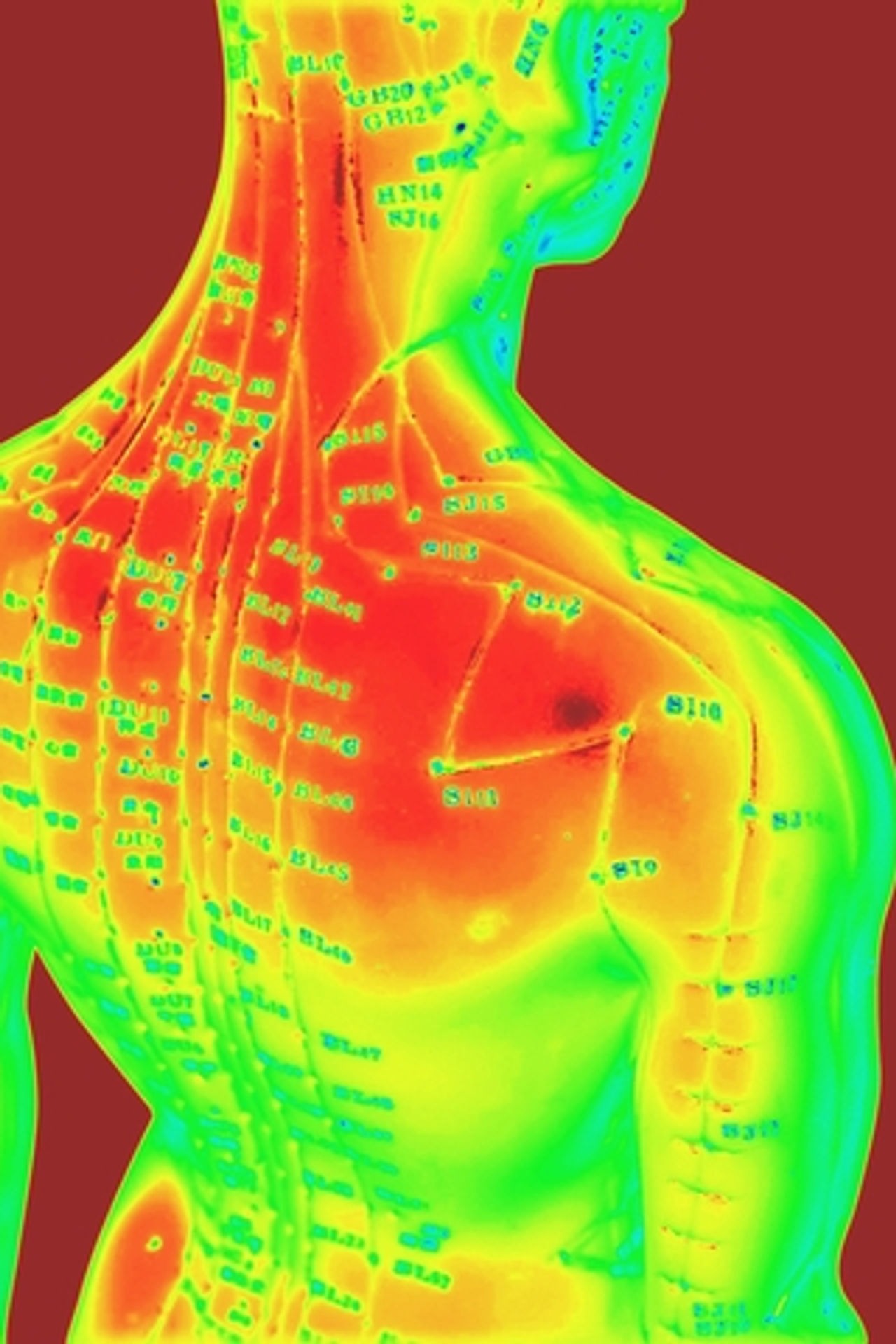
Clinical Studies Reveal Acupuncture Helps Fight Influenza

Two independent investigations conducted in China have shown acupuncture to be effective in relieving flu symptoms, and in shortening the duration of the illness.

Researchers from Taizhou Municipal Hospital studied 80 patients diagnosed with H1N1 influenza. Forty patients were given Tamiflu alone, and forty were given Tamiflu plus acupuncture. The patients treated with acupuncture had significantly shorter recovery times for relieving fever, pharyngodynia (pharynx or throat pain), and coughing. The researchers concluded that the addition of acupuncture increased the effectiveness of Tamiflu in the treatment of influenza. Furthermore, the researchers concluded that acupuncture is both effective and safe; acupuncture did not produce any severe adverse effects.

In another (non-human) investigation, researchers at Nanjing University of Traditional Chinese Medicine looked into the treatment of H1N1 influenza infected rats with acupuncture and moxibustion, and the outcomes in mortality. The rats were divided into three groups: the first received acupuncture, the second moxibustion, and the third received no therapies. The mortality rate of the group treated with acupuncture was 63.5%, compared to 78.6% for the moxibustion group, and 96.4% for the group who received no treatment. Lab tests revealed that in addition to significantly lowering the mortality rate, acupuncture increased interferon serum levels (interferon is a group of proteins called cytokines shared by rats and humans that fight viruses), and improved phagocytosis (viral death by white blood cells).

I want to point out that in the latter study only a single acupuncture point was used. It also appears evident that rats are either more susceptible to H1N1 influenza than humans, or that they were dosed very high with the virus, given their mortality rate! I do believe if multiple acupuncture points were used, the results in the rat study would have been even more remarkable.

To learn more about the studies, click here.

Are Viruses Friend or Foe? Fresh Ideas on Natural Immunity and How to Best Support Your “Righte

We all know people who never get sick. Others around them are falling ill with all manner of viruses and yet they seem to be annoyingly resistant. Is it just genetic, we wonder? Did they inherit the “lucky genes”? Whatever the reason, they seem to be immune to the sea of viruses, bacteria and other potentially pathological microorganisms permeating the same environment we all share. Other unfortunates seem to pick up every virus that floats past them, and to get sicker than others from the same “bug”.

Regardless of these obvious differences in susceptibility, our culture seems obsessed with protecting absolutely everyone against infection and viruses, as if we are all “headed to the guillotine” on some sort of equal platform. There is a deep seated fear of the Virus, illustrated by an obsession with TV shows and films depicting an apocalypse brought on by a pandemic killer virus (e.g. “Walking Dead”, or “World War Z”). Media is on a mission to make sure everyone gets their annual flu shot, despite the fact that these shots are on average only about 20% effective in any given year, and are now being shown to decrease an individual’s resistance to flu each successive year it is received.

Ubiquitous use of antibacterial hand sanitizers and liquid soap in schools, hospitals, and public bathrooms containing Triclosan, an antibacterial agent that has been proven to slowly weaken the immune system and create abnormal endocrine/thyroid signaling, now permeates our water supply. In the name of protecting ourselves from the evil Virus, we have introduced substances into our environment with either dangerous, or at best uncertain, long term side effects. Is our fear and paranoia driving us to a worse place than the Virus itself?

This underlying deep fear of the Virus is historically not unfounded. Within our collective unconscious exists the memory of Obliteration by Virus. The bubonic plague in the middle ages wiped out 50 million people, roughly 60% of the European population at the time. Ninety percent of the native peoples of the Americas, who had never previously been exposed, were wiped out by diseases (mostly smallpox and measles) unintentionally brought over by European explorers before colonization ever began. There were an estimated 112 million people in both the north and south continents in 1492, and by 1650 that number had dwindled to 6 million due to illness. And the Spanish Flu Pandemic in 1918, which infected about 500 million people worldwide, killed an estimated 20-50 million.

And yet somehow–after centuries and millennia–both viruses and humans are still here. What is the saying? “What doesn’t kill you, makes you stronger.” Through evolving together, we’ve managed to find a way to coexist. It isn’t a “coexisting” that necessarily supports each and every individual, whose genetics and constitution may or may not be strong enough to withstand it. But it is a “coexisting” that may support the generations, as in the case of childhood infections that were once deadly and evolved to largely benign illnesses providing lifelong immunity and even conferring long term health advantages (that I will discuss in a moment). Let’s take a quick look at a fundamental difference between Western and Eastern medicine, and the association with pathogens (including viruses).

Similar to Western medicine, Traditional Chinese medicine holds the view that we are born endowed with “Kidney Jing” which differs from person to person, and basically acknowledges the genetic factors that are at play from birth to death. But interestingly, Chinese medicine (and Eastern medicine) does not assume a fear-based nor adversarial approach to infectious illness. According to the Huang Di Nei Jing, the fundamental doctrinal source for Chinese medicine, there are always pathogens in the air. Then why aren’t we constantly sick? Our bodies have a natural intuitive defense for dealing with these pathogens which is called our “Wei qi” or “Righteous qi”. Getting sick from external causes (colds, flu, allergies) is ultimately about the battle between what’s in the air, called “Wind” or “Evil qi”, and the strength of our Righteous qi.

Here the emphasis of the two forms of medicine really diverge. Western medicine has focused almost exclusively on destruction and control of the “Evil qi”, or germs in the environment, but Eastern medicine dictates that it is less important to worry about the pathogens and instructs us instead to focus on improving the quality of our Righteous qi by self-care and cultivating strength. When our bodies are strong, when we are resting and eating properly, exercising and managing stress, and taking the best care of ourselves, our immune system functions highly and protects us adequately.

Since the precipitous decline of nearly all infectious disease from the early 1900’s in the Western world due to radically improved sanitation and hygiene practices, in addition to a well nourished population, this theory would appear to carry some weight (CDC, “Achievement in Public Health 1900-1999”). In the 1960’s before the measles vaccination program was launched, about one in half a million people actually died from measles complications in Western countries–and that was almost exclusively in immune-compromised individuals. This is in comparison to anywhere from 15 to 30 deaths per 100,000 in outbreaks in the 1800s and early 1900s, and continues in stark contrast to populations of children in third world countries who still live in areas of very poor sanitation and nutritional deprivation and who are far more likely to succumb to the measles (or any other virus for that matter).

Beyond improved hygiene, sanitation and nutrition, in this article I am submitting that there is even an additional perspective, bringing brought to light by a number of current scientific research publications: that certain viruses can actually play a beneficial role in our immune health, strengthening and preparing us for the years ahead, so that we can live longer, healthier lives. According to this perspective, there is in fact a symbiotic relationship with certain viruses that has developed over hundreds of thousands of years–in the same way that we are uncovering in recent years a vastly improved understanding of our gut microbiome and the essential role of beneficial bacteria and yeast in gut health, and in synthesizing critical nutrients for health.

As in the case of bacteria, fungi and parasites, not all organisms are the same. Many of you probably take a probiotic daily–understanding that the bacteria and yeasts you are consuming in your supplement have been found to beneficially support your health. Moreover, we are discerning; I doubt anyone would willingly swallow a supplement containing E Coli or C difficile! Most of us now understand the problems we have generated by our heavy handed use of antibiotics, and recognize that not all of these organisms are bad, and that certain ones are critical to health. The cost of our ignorance and heavy handed “kill all” approach has lead not only to the emergence of “superbugs” or mutated forms of bacteria and fungi, but to an epidemic of intestinal permeability (also known as “leaky gut”) leading in turn to an epidemic of autoimmunity, and strong evidence linking these causes to certain cancers. We realize on hindsight that there is a great deal we do not yet understand about our relationship with the hundreds, if not thousands, of microorganisms with which we come in contact on a daily basis.

But what if the same were true of viruses? By adopting a “War on Nature” attitude toward ALL viruses, bacteria, fungi, and parasites, we have not created a utopian world free of disease. We have not focused our efforts like Eastern medicine on understanding how our immunity works more intimately, and how to support these functions. Instead it appears that we may have traded in our acute illness for chronic disease. And not just traded–we have seen our chronic illness skyrocket in the past three decades. We have gone from roughly 12.8 percent of the US population suffering from chronic illness in the 1980’s, to a whopping 54% today.

So what is this supportive symbiotic relationship between some viruses and their host, that we are just starting to uncover with scientific research? It is simply this: when the host has a healthy immune system, the virus only increases the fitness of the host. Certain viruses have been shown now in a number of studies to play a pivotal role in reducing atopic disease (allergies, asthma, eczema, and anaphylaxis), as well as boosting resistance to certain cancers–and who knows what else. This field of scientific study is so very new, as to be in its infant stage.

But before we look at these studies, consider our basic immune function, and the natural way our bodies are designed to eliminate potentially harmful pathogens.

Fever and the Treatment of Cancer

In 1890 a surgeon by the name of William Coley working at Memorial Hospital in New York City began investigating alternative methods of treating inoperable sarcoma. At the time, Memorial Hospital was considered the foremost sarcoma treatment center in the world, using the most advanced surgical techniques to remove the tumors. But too many patients were still dying of the cancer, despite surgery.

Dr Coley found out about the curious case of a man who had been diagnosed with sarcoma and had been admitted to the hospital–only to contract a virulent case of erysipelas, a strep infection of the skin accompanied by pain, redness, and high fever. The young man not only recovered from the erysipelas, but the sarcoma was discovered to have vanished as well, and he was discharged. Dr Coley sought the man out some years later, and found him alive and continuing in good health.

Dr Coley began to investigate the history of fever and the role of the immune system in treating cancer and other diseases. He discovered in the scientific literature many cases of so-called spontaneous remission that had been closely preceded by an acute febrile (high fever) illness. He also discovered a history of physicians using fever therapy to treat patients–including European doctors who were injecting cancer patients with bacterial toxins to induce a fever. Dr Coley eventually developed a mixture of Gram negative bacterial endotoxins that would provoke fevers of up to 105 degrees (Fahrenheit) on a daily basis for a month. Known as Coley’s Toxins, a 1945 study calculated a 60 percent cure rate using this therapy among more than 300 cases of inoperable cancer!

Unfortunately Coley’s Toxins were banned by the FDA in 1962, and with the rise of radiation, chemotherapy and the cusp of the genetic revolution, the therapy was forgotten. The medical world had also discovered aspirin and acetominophen (Tylenol) to suppress fevers, and had begun routine use of antibiotics at the time. As Dr Thomas Cowan puts it, in his book Vaccines, Autoimmunity, and the Changing Nature of Childhood Illness, “ The idea of the human being as a self-correcting organism, with the primal event of producing a fever as its main tool, no longer had a place in the armamentarium of the modern doctor.”

I am happy to report that there are doctors today using fever to treat cancer. Called hyperthermia, thermal therapy or thermotherapy, body tissue is exposed to high temperatures (up to 113°F). Continuing research has shown that high temperatures can damage and kill cancer cells, usually with minimal injury to normal tissues. Yet, oddly enough, the stigma around fever remains.

Natural Immune Response: Both Cell Mediated AND Humoral

There are actually two branches of the immune system that work together in order to produce robust immune health. Most people are familiar with the humoral branch, or antibody branch. This is the part of the immune system responsible for “tagging” and recognizing a particular antigen (virus, bacteria, or other foreign substance), and developing long-term memory, so that should re-exposure occur, the pathogen can be quickly dispensed with. This is the part of the immune system vaccines target.

However, long before the humoral branch comes into play, the cell mediated branch of the immune system is at work. The task of this more primitive part of the immune system is to respond with a flood of both chemicals and white blood cells to areas of the body that have been invaded by a foreign substance. Chicken pox (varicella virus), for example, usually infects thousands of cells in the respiratory tract of a previously unexposed child. White blood cells then flood into the respiratory tract, engulfing or digesting infected cells–and then excreting the waste either through the skin, manifesting as the “pox”, or through the formation of mucus, which is then sneezed or coughed out of the body.

This cell mediated response is the first crucial step in clearing an infection or toxin from our tissues–and it is significant that it involves elimination. The symptoms of a viral infection that we get, such as fever, rash, or cough, are actually not caused by the virus itself, but by the response of our own cell mediated immune system–and it is this response that we call “being sick”. Notably, it is also these uncomfortable symptoms that actually remove the toxin from the body–an essential step in returning to a place of health. Similar to vomiting when you have food poisoning, aren’t the symptoms actually desirable in this case? Shouldn’t we be welcoming the symptoms removing the toxin from our body, rather than endeavoring to suppress or control them at all cost?

It is important to realize that a person with a dysfunctional cell mediated immune response will not get acutely ill. She may die from an overwhelming response to an influenza infection with no sign of infection, because her body was unable to mount a response. This is also why we see more acute fevers and symptoms in children than adults most of the time–their younger, stronger, more robust immune system mounts a more intense response. However, this intense response is also likely to both rid them of the infection quicker, and without unpleasant secondary infections.

Yet what does most of conventional medicine focus on? Medicine today endeavors to basically thwart the cell mediated immune response: to reduce the fever, stop the cough, and dry up the mucus, all in the name of immediate gratification and comfort. Symptoms are considered “the enemy”, despite the fact that these very symptoms are what is removing the toxin from our body! I know I am not the only one to notice that many of the OTC medications that suppress these natural responses end up prolonging the illness, and potentially leading to secondary complications such as bacterial infection. Pediatricians often advise parents to give their children Tylenol, Motrin or Advil as soon as they get a fever, immediately suppressing the child’s natural and effective response to kill off the pathogen, and thereby weakening his or her immunity. While antibiotics are being doled out more carefully these days, it wasn’t so long ago that they were being prescribed for nearly any infection, with the devastating long term repercussions with which we are all now so familiar. In the same way, various preparations of prednisone (a steroid that suppresses inflammation) from intra-nasal to oral are often prescribed liberally during infection, and these too can lead to devastating outcomes.

We see the absolute inverse of this, a complete support of the cell mediated response, in the treatment of infection with herbal medicine. Over the years, I have treated many viral illnesses in both myself and my own family as well as my patients with Chinese herbs. It is common to see symptoms clearly intensify, as the herbs amplify and step up the action of the cell mediated immune response. While this is uncomfortable in the short term, it leads to some very beneficial results–typically a substantial shortening of the duration of the illness, and no secondary complications (such as bronchitis, long term cough, or sinus infection).

Here we come back full circle to the basic difference in attitude and perception between Eastern and Western medicine. Typically, Western medicine has taken an adversarial approach to Nature–to the human body and its natural functions–using medicine that “nukes” the pathogen such as antibiotics, antifungals, and chemotherapy, or suppresses the natural inflammatory response with harsh medications such as steroids without understanding and treating the cause. While the short term benefits may feel and appear good, what we are seeing over the years are the increasingly harmful long term effects. Our efforts are concentrated on finding a way to suppress and control the symptom, without understanding what is causing that symptom or even whether or not that symptom may be desirable in the long run. (And I want to be clear here: it isn’t as if there is no time or place to use such strong medicine–none of us would want to live in a world without these options. It is the radical over-use of these therapies that I question, that then spawn a population with an increasingly weakened immune response, and further susceptibility to chronic illness.)

Finally, the cell mediated and the humoral branches of the immune system are perfectly designed to work together. New research is emerging showing that if you bypass the cell mediated branch, thereby avoiding large scale exposure and uncomfortable symptoms, then there are can be other, long term ill effects.

This is no where illustrated more clearly than with vaccine therapy. One of the most blatant “down sides” of vaccinations is the necessity for repeated boosters. When vaccination programs were first being carried out in the 1960s, doctors were confident that the vaccines would bring immunity for life. Decades later we know that 10 years of protection is about as long as we can expect from some vaccines, and only 2-5 years in others. Conversely, one exposure to a wild virus, and the child is immune for life. There seems to be a critical relationship between a large enough or “appropriate” cell mediated response that then stimulates a complete humoral response conferring lifetime immunity. Bypassing this cell mediated response leads to a weakened humoral response, and thus shortened duration of protection.

But perhaps more importantly, if you are continually stimulating the humoral immune response at the same time as you are suppressing cell mediated reactions as much as possible–what will the long term consequences be? Is it possible it will result in an excessive antibody response? An over-stimulated antibody response is what characterizes autoimmunity. And in our age of an absolute epidemic of autoimmune disorders, notably in pediatric populations as well, there is much research that needs to be done to ferret out whether or not this is a risk factor.

Researchers at Kobe University in Japan, for example, conducted trials in which they vaccinated different animals according to the current vaccination schedule. They concluded that “autoimmunity appears to be the inevitable consequence of over stimulating the host’s immune system by repeated immunization.” This study complements other epidemiological studies such as the study conducted by Jackson State University in 2017 looking at 666 vaccinated and unvaccinated children, revealing vaccinated children to have substantially higher rates of allergies.

Finally, I would like to suggest that going through a bout of natural illness (while in general good health) that allows both the cell mediated and humoral branches of immunity to be exercised fully, serves to strengthen these functions, in the same way that going to the gym for a good workout strengthens your muscles. We all know that young children roughly 0-5 years of age must go through a period of frequent illness in order to develop and strengthen their immature immune system. As many parents will testify, they often get sicker than their kids during this time! But what if this is, in fact, another gift of Nature? What if it is an opportunity for the adults to also strengthen their immunity, so that they can live longer and be healthier parents? As any school teacher will tell you, they will often get very sick the first year or two of teaching–followed by many years of relative good immunity.

Role of Childhood Viral Disease in Long-Term Immune Health

There are some fascinating emerging studies coming out in prominent medical journals revealing the critical role of childhood viral illness such as chicken pox, measles, and mumps in the strengthening of the immune system and prevention of much more serious illness later in life. Some of these childhood viral infections that used to be so common before the introduction of mass vaccination programs, and which were largely benign for the vast majority, have been shown to significantly lower the risk of allergic reactions, including eczema, hay fever and asthma, and the prevalence of certain cancers.

Two studies published in the Lancet and Pediatrics showed a clear reduction in allergies, including hay fever and asthma, in those who had wild measles and/or chickenpox as a child. A 2012-13 study following 100 children up to 8 years old who had wild chicken pox and 323 children who were vaccinated against the virus, found that the wild virus protects against atopic disease, but the vaccine does not. They published that wild measles and varicella virus are both capable of infecting memory T lymphocytes (part of the humoral or antibody system), and then killing and purging them from the body. Since it is known that the build up of memory T lymphocytes in the body over time can contribute to the development of increased allergy load, it has been postulated that measles and chickenpox, through purging these cells, then help decrease the load and thereby prevent the development of allergies. (In which case, viral rash is a good sign that the immune system is working and getting rid of potentially problematic T lymphocytes.)

A number of current studies such as this one are also showing that a history of childhood infections (measles, chicken pox, mumps, rubella) are associated with a lower risk of Hodgkin’s Lymphoma; measles in particular is associated with a dramatic lower risk of non-Hodgkin’s lymphoma. Thus delayed or avoided exposure to the wild infection, including those who have been vaccinated, may increase the risk of Hodgkin’s Lymphoma in young adults.

To investigate the association between non-Hodgkin’s lymphoma (NHL), Hodgkin’s lymphoma (HL), and exposure to childhood diseases, researchers analyzed an Italian case-control study that included 225 confirmed incident cases of NHL, 62 HL cases, and 504 controls (without the diseases). After adjusting for confounding factors, it was found that all examined childhood diseases were negatively associated with HL (a negative association means that those who had the childhood disease were significantly less likely to develop the cancer). Measles was negatively associated with NHL. They concluded, “our findings provide additional support to the hypothesis that infections by most common childhood pathogens may protect against HL or, at least, be correlated with some other early exposure, which may lower the risk of HL in adulthood.”

The association between mumps infection and a lower risk of ovarian cancer has been known for a long time, but the mechanism was not clear until a 2010 investigation discovered the cause. When the parotid glands are infected with the mumps virus, they swell and produce an antigen called MUC-1. ( An antigen is a toxin or other foreign substance which induces an immune response in the body, especially the production of antibodies.) Thus, mumps infection primes the immune system to recognize and fight against this particular antigen. As it happens, ovarian cancer also produces MUC-1, and if the immune system is already primed against it due to a mumps infection earlier in life, it will attack the cancer. (One of the reasons cancer is referred to as a “silent killer” is the body’s immune system does not recognize it in order to get rid of it).

Yet another study in 2016 revealed that a history of wild chickenpox virus lowers the risk of glioma (brain tumor). They found a 21% lowered risk in general in those who had wild chicken pox as children, and a whopping 47% lowered risk for those with a history of wild chicken pox in cases under age 40 and/or with high grade tumors!

Before I continue, let me state here that I am not presenting that ALL viruses have beneficial side effects. Epstein Barr is a case in point, as is HIV, Rabies, Ebola, Hepatitis B and C, and many more. But what if some of them do? Isn’t it reasonable to assume as we continue to uncover beneficial functions of bacteria, fungi, and even parasites, that this could be the case with certain viruses as well? Isn’t it important to be aware of this, and to continue to conduct studies investigating this potential significant benefit to long term health?

As our institutions continue with heavy promotions of medicinal products and therapies that take such a simplistic view of a highly complex immune system that we are still far from completely comprehending, and an overall antagonistic relationship with Nature, can we recognize the flaws in this manner of thinking and policy-making? Just as a high fever can kill a virus, bacteria, or even potentially cancer cells infecting the body, maybe contraction of a targeted natural wild virus in certain cases carries more benefit than risk, particularly in children in environments of good hygiene, with adequate nutrition, and with no immunological problems.

In the end, the question is: in following the trajectory of modern medicine, have we been thrown off course? Have our assumptions started to crumble under the weight of more time and further evidence? And if so, how can we get back into sync with Nature? Will getting back on track help us reduce the crazy numbers of chronic illness in both children and adults?

What would that look like? Allowing our children (and ourselves) to run a high fever, within reason? Recognizing in many cases that our cough and our congestion is ridding our body of a viral toxin, and using tailored herbs and dietary therapies to support that process rather than suppress it? Being willing to handle discomfort in the short term, in favor of a better end result? Taking careful steps to reduce the overload of stress in our lives, feed our bodies with nourishing food, and expose ourselves to frequent fresh air and exercise? Being discerning in how often we decide–or not decide–to go in for a flu shot? Washing our hands with plain soap and water instead of using Triclosan-laden hand sanitizer or soap?

How can we remember and re-integrate what Eastern medicine recognizes? How can we be smart about how we practice medicine, taking advantage of the amazing advances in medicine we have made in treating acute illness, while respecting and giving space for the incredible way Nature already works in this awe-inspiring body that we have? Can we perhaps realize that even while we don’t like our viral illness symptoms, that at least in general good health these symptoms are nevertheless giving us an opportunity to exercise our immune muscle, eliminate toxins, and strengthen in the long run–all the while reminding us to slow down and take better care of ourselves?

Are viruses friend or foe? My humble answer would be both. And I believe our duty as wise stewards of the earth, and the bodies of ourselves and our children, is to either become more discerning–or suffer the consequences.

Leptin: Critical Weight Loss Hormone

I commonly have especially women coming in for acupuncture asking for help with weight loss. My heart often sinks when I get asked this question, because acupuncture and herbs, while they can support healthy digestion, metabolism, thyroid function and stress reduction–all of which can be contributing factors to weight gain–are simply not a “magic bullet” for weight loss. Weight loss is surprisingly complex. It can be a slippery slope for so many women, and a constant cause of stress and frustration.

Many women who come in have tried all sorts of diets; indeed, some barely eat anything and still cannot lose weight! Most have had their thyroid tested, and many come back in the clear. (However, the thyroid is a whole topic unto itself; please refer to my article on the thyroid to learn more about how most conventional thyroid testing parameters are grossly insufficient. Balancing your thyroid CAN be a great support for weight loss if done correctly.)

As an extreme case in point, I recently had a patient who over a decade ago had gastric bypass surgery. Since that time, she has not been able to consume more than several hundred calories of food a day and suffers from chronic malnutrition. Despite feeling she should look like a matchstick on a diet that would rival that of a prisoner of war camp, she still wrestles with some excess pounds. She finally made her way to a gastroenterologist who told her that gastric bypass surgery can lead to a chronic back up of fecal matter in the bowels, which then is slowly absorbed by the body over weeks and months, leading to excess weight!

Extremes aside, one of the key hormones likely involved in this frustrating inability to lose weight, especially in women, is leptin. Discovered in 1994, leptin is a fascinating hormone that can be directly related to body fat and obesity. Scientists believe the leptin hormonal system evolved to prevent humans from overeating or starving–both of which prevent you from surviving in a hostile natural environment.

Leptin is secreted by fat cells, and especially after high carbohydrate meals, and its’ target is the brain (specifically the hypothalamus). When you have enough fat stored (time of feast), abundant leptin tells your brain to stop eating and triggers a higher or more normalized level of calorie burning. On the other hand, when you don’t have enough food stored (time of starvation), the lack of leptin triggers increased hunger, and slows down the calorie burning process. In other words, leptin is the hormonal messenger from fat cells communicating with the brain about how much fat they carry, so that the brain can then titrate our metabolic rates and appetite! Amazing, isn’t it?

Leptin Resistance: One of the key biological contributors to unwanted weight gain

So here is where things get tricky. In a straightforward world, fat cells secrete leptin, and it follows that people who are heavy or overweight would have high levels of leptin. It should be that this would then trigger them to stop eating and/or trigger increased metabolism or fat burning. So what is going wrong?

Leptin is very similar to insulin, the hormone secreted by the pancreas to regulate blood sugar uptake into our cells for energy use. Indeed, the two hormones appear to work in tandem. Like insulin, leptin circulates in the blood, but it also must dock at a receptor site for the brain to know it is there, and react accordingly. When circulating leptin does not dock at receptors, the brain will interpret this as low leptin, no matter how high the leptin content in the blood circulation may be.

When leptin cannot dock at receptor sites properly, a condition called leptin resistance develops. It is this condition that often contributes to a stubborn inability to lose weight “no matter what”. There are several reasons why this resistance may develop. These include long-term overstimulation of receptors (due to prolonged high levels of leptin), the aging process, chronic inflammatory conditions, and biotoxin exposure.

Overstimulation of Receptors

Leptin is created from fat tissue, and rises along with glucose and insulin levels in relation to carbohydrates in meals. Regular consumption of high carbohydrate foods (including processed foods and fast foods) cause regular extreme spikes in levels of insulin and leptin. The receptors get ‘tired’ of leptin constantly ‘knocking’, and shut down or lose sensitivity, exactly the way insulin receptors do in the case of insulin resistance. Like insulin resistance, leptin resistance commonly increases with age, and occurs especially when high carb diets are regularly consumed.

Chronic Inflammation

Like all hormones, leptin actually plays many different roles in the body–not just in regulating appetite and metabolism. Leptin is also a key regulator of the endocrine system and HPA axis (critical to stress management and reproductive health), and directly affects insulin secretion, energy homeostasis, and bone formation. Interestingly, leptin is found in females at much higher concentrations than males, probably because leptin is inhibited by testosterone and possibly promoted by ovarian sex steroids.

But more critical to our discussion here, leptin is a cytokine-like mediator produced in fat cells, which has a strong pro-inflammatory affect on the body’s immune responses. (Cytokines are proteins released by cells that effect communication between cells and cellular behavior; many have either a pro-inflammatory or anti-inflammatory effect on immune system pathways.) Now let’s be clear here. These days we tend to have a negative association with inflammation. But inflammation is an important part of the body’s immune and healing responses; you require inflammation in order to heal from an infection. The problem comes when the inflammation is not self-inhibiting, or when it either gets out of control or cannot stop itself.

Studies show that serum leptin levels (in the blood) directly correlate with levels of inflammation in the body!

In mice studies, levels of leptin in the blood and fatty tissues typically increase after the administration of an inflammatory stimulus. This can be observed in human subjects when the concentration of leptin is elevated, for example, during active disease in RA patients, and decreases when the disease is controlled. Elevated circulating leptin levels appear to contribute to the low-grade inflammatory background that makes individuals more susceptible to developing degenerative disease, such as cardiovascular disease, type II diabetes, autoimmunity and cancer.

When a person is in a state of acute or chronic inflammation, many types of pro-inflammatory cytokines are released, not only leptin. These cytokines then easily fit into and attach to leptin receptors, essentially competing with them. When this happens, the brain registers low levels of leptin (although high levels are circulating) and of course this leads to inevitable weight gain. Many people experience themselves caught in a low level inflammatory state, that can then lead to a slow and insidious weight gain. Gaining the upper hand on the inflammation could help these individuals to finally be able to lose the weight, and of course gain a better state of health in the process.

A number of studies have connected leptin in the pathogenesis of autoimmune illness, including type I diabetes, irritable bowel disease, and RA. Studies show leptin can promote auto-reactivity. On the other hand, leptin deficient mice have shown resistance to the development of autoimmune disease. In light of this, it is interesting to note that there is a much higher prevalence of autoimmune disease in females than males, with regard to their higher levels of leptin.

But what about genetics? It appears that genetics can play a powerful role in how leptin plays out (or doesn’t play out) in the body. Mice studies have revealed that obese mice can carry a mutation of the gene that encodes leptin, while other mice are deficient in the gene that encodes the leptin receptor. Both groups of mice have a lack of the perception of satiety (appetite satisfaction), together with hyperglycemia and insulin resistance. Administration of leptin directly can help the first group, but not the second. This makes sense, because once again, if you don’t have the receptors for leptin, your brain interprets this as a low level of leptin no matter how much leptin is circulating in your blood. This genetic connection helps us to understand why some people are born with a tendency to weight gain that appears to defy all dietary attempts.

On the flip side, starvation (or severe reduction in nutrients) will reduce leptin, and coincidentally appears to reduce the inflammatory response. This could be why popular current diets such as the ketogenic diet, or intermittent fasting approaches, with their nutrient restriction, and especially carbohydrate restriction, are so remarkably effective in lowering inflammatory blood lab markers such as C-Reactive protein, in reducing inflammatory symptoms, and of course in promoting natural weight loss.

Leptin and Biotoxin Illness

What is biotoxin illness? Also called CIRS, or Chronic Inflammatory Response Syndrome, biotoxin illness is usually caused by exposure to water damaged buildings, or buildings with a history of water leakage. Since it is estimated that over 50% of buildings in the US have sustained water damage, this includes a good amount of exposure for many. The air in a water damaged building is contaminated by a “chemical soup” of molds, bacteria, and associated chemicals such as VOC’s. But biotoxin illness can also include those exposed to toxins via a tick bite from Borrelia burgdorferi, the organism responsible for Lyme disease, from a brown recluse spider bite, or even exposure to tropical fish that are contaminated with ciguatera toxin, from Pfiesteria and cyanobacteria.

Certain genetics make about 25% of the population more vulnerable to biotoxin illness, rendering them unable to clear the toxins from their system, and thus condemning them to a slow build up of toxins in the body that lead to a chronic acute state of inflammation with a wide range of multi-system health issues. Specific lab testing with a qualified CIRS-trained professional is required for a diagnosis, and a very specific, staged protocol is then required for effective treatment.

Biotoxin exposure causes inflammation, and as we discussed above, this produces a boatload of inflammatory cytokines. These inflammatory cytokines then fit into and block leptin receptors, preventing leptin from docking. Leptin levels then rise in the blood, but the brain does not respond by increasing metabolism and suppressing appetite, because the receptors are blocked. Instead, a slow, insidious weight gain ensues.

It’s important to mention biotoxin illness, as many people may be entirely unaware that they have this condition. If you are experiencing a variety of chronic inflammatory symptoms together with weight gain, and if you know that you might have been exposed to the toxins listed above, then it is vital that you get this condition checked out and treated. Most doctors are unfortunately unaware of CIRS or biotoxin illness, so you will need to search out a qualified health professional to work with. Autoimmune illness is also a common result of CIRS, and I would especially recommend that anyone diagnosed with an autoimmune illness who may have a history of exposure to the toxins listed above, get tested!

Leptin and Melanocyte Stimulating Hormone (MSH)

Along with leptin resistance, when circulating leptin is not docking at receptors, the brain also stops producing a hormone called Melanocyte Stimulating Hormone, or MSH. MSH is a critically important hormone needed for: ADH (Anti-Diuretic Hormone) production to hold urine, melatonin production for sleep, endorphin production for pain management, lubrication of the digestive tract and protection of mucosal surfaces, protection of skin, and sex hormone production.

Symptoms such as frequent urination, nighttime urination, insomnia, increased pain levels, leaky gut symptoms, and hormonal imbalances can then follow. With a significant percentage of the population suffering from these symptoms, together with weight gain unresponsive to diet and exercise, you can see why it is so important to get a handle on the causes driving our leptin production and receptor response.

Fortunately, we can check leptin, MSH, ADH, and a variety of inflammatory markers such as C-reactive protein with some basic lab testing that will help reveal the level of inflammation our bodies are in, and the effect that this inflammation is having on a systemic level.

How to Reset Leptin: Plug all the holes in the dam!

To recap, leptin is a critical hormone used by the brain to ensure our survival. We must work with this system, not against it, to restore sensitivity, and a healthy weight. Obviously, if you suspect exposure to biotoxins, you need to get the lab testing done. A great website for more information Is Surviving Mold, which elucidates the Shoemaker Protocol in the treatment of CIRS if diagnosed.

Likewise, if you have low grade inflammation going on from other causes, it is important to ferret out these causes and address them, whether they be chronic food sensitivities, environmental allergies, or other types of toxic exposures such as heavy metals, pesticides or heavy plastic use. Going on a low carbohydrate diet, and potentially combining it with intermittent fasting (resource listed below), can be an effective way for many to reset their leptin levels.

For some, losing weight is as simple as cutting back on calories and exercising more. For others, weight loss is a lot more complicated. Regardless, there ARE solutions. The solutions may involve some detective work, but if you have the will, there is a way. Here at DCA, we support you on your journey.

Resources:

Pubmed article “Leptin and Inflammation”

The Complete Guide to Fasting by Jason Fong MD, and Jimmy Moore

Vaccine Safety: What You Don’t Know

Disclaimer: views expressed in this article solely reflect the research of Darcy Greenwald, L.Ac, and do not necessarily reflect the views of other practitioners at Denver Community Acupuncture.

Measles. Whooping cough. Smallpox. There is tremendous fear associated with these infectious diseases, and a large scale collective sigh of relief around the globe that vaccines have virtually eliminated these potentially deadly exposures. Once upon a time in our not-so-distant past, these infectious diseases indiscriminately preyed upon us, and with this collective misery still alive in our memory, vaccines are generally regarded as one of the greatest medical advancements of the 20th century.

There is therefore great anger directed at those who question the long-term safety of vaccines, vaccine theory itself, and its ultimate role in disease prevention. This is understandable, coming from a place of primal survival and protection of our most vulnerable–our young. There is no question that vaccines can significantly reduce the incidence of targeted infectious diseases, and can play a pivotal role in protection against outbreaks.

Yet we tend to forget that vaccines are not inert placebos; vaccines are powerful drugs–injected substances containing at least 37 ingredients each. These ingredients include established neurotoxins such as mercury, aluminum, and formaldehyde, and aborted fetal cell lines including injected DNA that have received no established safety studies at this time but which have been questioned as a potential carcinogen. In fact, only two of these ingredients have ever been independently tested for safety; as a result, mercury has been slowly phased out, and aluminum hydroxide continues to receive increasingly negative attention due to international safety studies proving neurological toxicity.

We also tend to conveniently shrug off the fact that vaccines do cause damage and even death in a percentage of the population. “It’s a tiny fraction of a percentage,” we say. But is it? Statistics actually do not back up that assumption.

The group of people examining vaccine safety are largely concerned parents, scientists, educators, pediatricians and medical professionals who are seeing the dramatic rise of pediatric illnesses in their children or pediatric population, and they are expressing concern. Indeed, chronic pediatric illness has risen from 12.8% in the 1980s to 54% currently. As the vaccination schedule has quadrupled since the 1980s, they are asking questions, as any concerned and inquiring person should: are vaccines really as harmless over the long-term as they are purported to be? Have we just substituted one health risk (infectious disease) for another (a drastic increase in chronic disease)? Do the benefits truly outweigh the risks? Is the collective more important than the individual? And if so, what are the acceptable risks?

As a health practitioner I have been one of many increasingly alarmed at the epidemic of autoimmune disease, allergies, food sensitivities, gut dysbiosis, and neurological issues seen in children and young people, and asking where is it coming from? I have no doubt the causes are complex and multifaceted, compounded with individual genetic susceptibilities and environment. But could vaccines be a contributor?

The answer as of this article, is that we have a growing handful of biological studies on a few of the vaccines pointing toward some troubling evidence that these vaccines can indeed lead to chronic illness and neurological damage. With regard to most vaccines, however, we don’t have evidence of anything, because the long-term studies that would reveal chronic illness or injury have never been done. This startling fact should by itself be a red flag. Though I have sympathy for both sides of the vaccination issue, I decided to do a little more digging into the question of safety studies around vaccines. I was undeniably disturbed at what I found.

Let’s look at 8 common assumptions about vaccines, and see whether they hold water.

Note: all underlined text below are links to sources. Given the complexity of the topic, this article is lengthy. One suggestion for interested readers with little time, would be to read one assumption section a day, and take time to digest the information.

Assumption #1: Individual vaccines receive rigorous safety testing, before they are introduced into the CDC recommended pediatric vaccine schedule.

The assumption is that vaccines, like all other drugs, are subject to rigorous double blind, placebo-controlled studies that prove safety before they are introduced to the vaccination schedule. Major federally-backed vaccine regulation agencies such as the Center for Disease Control (CDC), Federal Food and Drug Administration (FDA), National Institute of Health (NIH), and the American Pediatric Association (AMA) state unequivocally that vaccines have been proven to be safe, and that they undergo rigorous safety testing. However, a closer scrutiny yields two alarming contradictions.

  • The gold standard of safety testing, used on every single FDA-approved drug on the market, requires an inert (chemically inactive) placebo, typically a sugar pill or a saline solution in the control group. Why a sugar pill or a saline solution? Because we need a standard substance that will create no symptoms in the vast majority of individuals to compare with the substance being tested, in order to clearly ascertain side effects. But here’s the shocker: There is not a single vaccine safety trial to date that has used this gold standard. Instead of saline or other chemically inactive solutions, control groups are given other vaccines which have already been brought onto the vaccine schedule. Let me state this again: a true placebo such as saline has never been used in control groups for vaccine safety trials; other “proven” vaccines have instead been used, which is a grievous violation of the basic tenements of the scientific method.
  • No vaccine on the current CDC vaccination schedule has undergone more than several days to a few weeks of safety testing. This is compared to all FDA-approved drugs on the market, which receive several years’ of double blind, placebo-controlled clinical safety trials. As an example, one of the most contested mandatory vaccines provided to infants on their first day of life–the Hepatitis B or Hep B vaccine–is licensed by both Merck and GlaxoSmithKline. Merck’s Hep B vaccine was licensed by the FDA after safety trials lasting only five days after vaccination. GlaxoSmithKlines’s Hep B vaccine was licensed after only four days of trials.

Some of the most critical recent science coming from China, specifically three clinical studies in 2015, 2016, and 2018 involving the Hep B vaccine conducted by Dr Zhibin Yao (see more below), is revealing brain damage occurring in infant mice after receiving the Hep B vaccine, damage that appeared cumulatively over a period of time. This latency period from the administering of the vaccine to the appearance of symptoms, is not caught when safety trials last only several days to a few weeks.

Why is there this striking difference in length of safety testing, and the elimination of a true “gold standard” placebo, when it comes to vaccines? After all, vaccines are being injected into the most vulnerable segment of the population–our infants and toddlers. With regard to length of testing, the CDC and FDA claim this is because it is “unethical” to withhold a critical vaccine, which needs to be rushed onto the schedule in order to “save lives”. They are so certain that the benefits will outweigh the risks, that they simply do not do the necessary studies to find out whether or not the benefit really does outweigh unknown potential risks.

The government and the pharmaceutical industries consider the battle against infectious diseases to be a numbers game. They are so sure that administering the vaccine will save thousands of lives and promote an increased quality of life, that they are waiving critical safety studies in their rush to get the product into their population. So let’s take a look at the numbers game for a minute. Does it hold up under scrutiny?

(By the way, a great resource for vaccines and safety is this document, The Vaccine Safety White Paper, compiled by a group called ICAN and presented to the heads of the National Institutes of Health with Robert F. Kennedy, Jr in May of 2017.)

Assumption #2: Vaccine damage and especially vaccine-caused deaths are extremely rare–so rare that the benefits for protection far outweigh the risks.

This begs the questIon: how do we know how many people are actually vaccine damaged, and how many deaths are connected to vaccines? Currently, the United States only has one tracking system for reporting adverse vaccine events. The Vaccine Adverse Event Reporting System (or VAERS) is a voluntary, online site established by the Department of Health and Human Services (DHHS) where you can submit the adverse events you experience yourself or for your child following a vaccine. But let me ask you: have you ever heard of VAERS? Has your doctor, pediatrician, or pharmacist ever told you about VAERS, and the importance of reporting any adverse effects you may have from a vaccine here?

There has been a lot of talk about automating VAERS, or a system like VAERS, so that hospitals and medical clinics would be required to report to VAERS, and to provide information about VAERS to all vaccine recipients. This would, of course, create a far more reliable tool for evaluating national vaccine adverse events, and with the technology of today, would be fairly simple to put into place. Unfortunately, there has been little indication on the part of the CDC, the FDA, or the DHHS that they would support such an effort.

While VAERS does not offer analysis of vaccine adverse events with regard to individual vaccines, the National Vaccine Information Center (NVIC) does summarize data from VAERS. Looking selectively at the MMR (measles mumps rubella) vaccine, the NVIC found that as of November 30, 2018, there have been more than 93,000 reports of measles vaccine reactions, including 460 related deaths, almost 7,000 hospitalizations, and 1,700 related disabilities. Over 50% of those adverse events occurred in children three years old and under.

However, the NVIC also states clearly that “the numbers of vaccine-related injuries and deaths reported to VAERS may not reflect the true number of serious health problems that occur after vaccination.” Even though the National Childhood Vaccine Injury Act of 1986 (more on that below) legally required pediatricians and other vaccine providers to report serious health problems following vaccination to VAERS, many doctors and other medical workers fail to report vaccine-related health problems, and may not even know of VAERS’ existence. There is evidence that only between one and 10 percent of serious health problems that occur after use of prescription drugs or vaccines in the U.S. are ever reported to federal health officials.

So if the numbers listed above regarding the MMR vaccine are only representative of 1-10% of the actual adverse events, that would mean that since VAERS’ inception in 1990, there have been anywhere from 930,000 to 9,300,000 incidences of MMR reactions, almost 70,000 to 700,000 hospitalizations, 17,000 to 170,000 disabilities, and 4600 to 46,000 deaths. On an annual basis, that is the equivalent of 33,000 to 330,000 MMR adverse reactions, 2,500 to 25,000 hospitalizations, 625 to 6,250 disabilities, and 160 to 1600 deaths per year! If we hold these numbers up to adverse events, injuries and deaths reported in 1963 from contracting the actual measles virus, these amounted to 48,000 hospitalizations, 1000 cases of encephalitis (brain swelling), and between 400-500 deaths (taken from the CDC website).

The statistic of 160-1600 annual deaths from the MMR vaccine versus 400-500 deaths from the actual wild measles virus (out of a pre-vaccine estimated 3-4 million of the population infected annually) by itself would seem not a drastic enough difference to warrant a mandate of the vaccine, which effectively pits death caused by vaccinations against deaths caused by natural occurrences. The first rule of medicine is to do no harm. With numbers like these, it is not hard to see why people are questioning what the true risk to benefit ratio of vaccines really is. You can go between VAERS and the NVIC and make your own calculations with each individual vaccine. How many were injured and died from the disease? How many are injured and die from the vaccine? Isn’t this a critical comparison to make?

Complicating risk to benefit ratio analysis, is the fact that infectious diseases are highly individual. Rates of infection, transmission, injury, long-term complications, and even death from these diseases vary widely, making it difficult to generalize about how effective vaccines as a whole really are in saving lives. Measles is highly infectious, for example; smallpox dies quickly within a few feet of airspace and is easily quarantined.

Let’s look at two individual vaccines backed up by clinical studies that illustrate a more complete risk to benefit analysis. We can start with Hep B, routinely administered at birth, with two follow up boosters at 2 and 4 months of age, which is the only vaccine so far to receive gold standard, placebo-controlled studies. We’ll also take a look at the DPT or DPaT vaccine, which is probably the closest to a failure in terms of preventing outbreaks of the whooping cough, and one of the vaccines historically proven to be connected to vaccine damage and increased mortality rates.

Risk to Benefit Analysis: Hepatitis B Vaccine

Dr Zhi Bin Yao, educated at the University of Pittsburgh, and working currently at Sun Yat-Sen University in Guangzhou, China, conducted three critical studies on infant mice in 2015, 2016, and 2018, using the hepatitis B vaccine. In 2016, he gave one group of mice Hep B vaccine (in a size proportionate dose provided to a human infant) and another group an (actual) placebo, and measured the brain cognition and socialization behaviors. He and his peers concluded major changes in the chemistry of the brain in the mice receiving the vaccine, showing a massive uptake in certain cytokines. (Cytokines are proteins in the body that mediate either pro-inflammatory or anti-inflammatory processes.) The cytokines they observed, specifically inflammatory cytokine IL-4, when found in the brain are known to contribute to autism. Dr Yao and his associates observed significant changes in both social, learning, and cognition behaviors.

In 2018, Dr Yao followed up to determine if IL-4 cytokines were being produced as a response to the Hep B vaccine. He subsequently injected one group of mice with IL-4 cytokines, and the other group with the Hep B vaccine to see if they would get the same reaction. They did, and this proved that the Hep B vaccine could cause an elevation in IL-4 cytokines in the brain, which could then lead to brain inflammation and neurological damage, including autism. The work these Chinese scientists are doing is unequivocal biological evidence that the Hep B vaccine can cause brain damage.

The key word here is: latency period. It took a period of weeks for these neurological symptoms in the vaccinated mice to start to present themselves. In other words, there was a delay in terms of when the neurological symptoms appeared; it wasn’t always immediate.

As pointed out above, the Hep B vaccines approved for the CDC vaccination schedule were only studied up to a week–therefore, it is has not been acknowledged that the vaccine could be causing neurological damage. If you have a latency period, you can have an epidemic hiding in plain sight. A connection is likely never to be made with a child who developed a learning disability at age five, who got the Hep B vaccine at six months.

To be fair, we need to ask about the benefit of the vaccine. The Hep B vaccine is actually quite effective in preventing hepatitis B infection. But how prevalent is the infection? Why is it necessary to inject our entire infant population with this vaccine? Hepatitis B is indeed a serious illness, with currently no known cure, and long-term liver damage a common result. However, it has incredibly low communicability. What does it take to get it? You have to cut yourself and share blood, have unprotected sex or share a needle. By far the largest at risk groups in the United States have traditionally been drug users (sharing needles), homosexuals (similar to HIV), the sexually promiscuous, medical providers, and immigrants typically from Asia and the Asian Pacific. Unless you are a carrier of hepatitis B as a mother, which is easily tested before or during pregnancy, there is really no reason to get this vaccine for your infant or young child who is neither sexually active, or likely to be sharing drug needles. Many pediatricians with decades-long practices in the US, even before the introduction of the Hep B vaccine in 1990, had never seen a single case of hepatitis B. At the very least, wouldn’t it make more sense to give these vaccinations later in life, and have a greatly diminished potential of risk?

One other study I would like to mention: predating Dr Yao’s studies are the Goodman and Gallagher studies from late 2000. These studies looked at the Hep B vaccine series and autism rates. Results of the 2000 study indicated that US male infants vaccinated with the Hep B vaccine prior to 1999 incurred a threefold greater risk for autism. Non-white boys bore a disproportionately higher percentage of those affected.

Risk to Benefit Analysis: DPT (Diptheria-Pertussis-Tetanus) vaccine

The pertussis (whooping cough) vaccine is included as a component in “combination” shots that include tetanus and diphtheria (DPT, DTaP, Tdap). Whole cell pertussis vaccines in DPT, used in the US from 1949 until the late ’90s, were estimated to be between 30 and 85 percent effective, depending upon the type of DPT and vaccine manufacturer, with protection lasting only two to five years. The DPT vaccine was highly reactive and carried a high risk of serious allergic reactions and brain inflammation leading to permanent brain damage, as detailed in the groundbreaking 1985 book “DPT: A Shot in the Dark,” co-authored by Barbara Loe Fisher.

An interesting study published in 2000 looked at DTP administration within an urban African community of Guinea-Bissau, a community with a high child mortality rate. The study showed that DTP administration was associated with a 5-fold higher mortality than being unvaccinated, despite that fact that most of the unvaccinated population were children deemed too frail for vaccination. The elevation in mortality after the DTP administration was thought to be related to non-specific effects (NSE) of infections that are complications of the DTP vaccine, and which overshadowed the reduction in deaths from diptheria, tetanus and pertussis. They then conducted two randomised trials to reduce exposure to DTP, and both trials suggested this was beneficial.

As an interesting side note, it was observed in this study that administration of the BCG (tuberculosis) and MV (measles) vaccines halved child mortality rates, and it was only when the DPT was randomly added that mortality rates were negatively affected. They theorized that the aluminum adjuvant in the DPT, which activates a different branch of the immune system, was responsible for the NSE. Neither BCG or MV vaccines contain aluminum. This study illustrates clearly the need for more rigorous safety studies on individual vaccines, including their individual ingredients, before their wide scale administration.

Recently, there have been an escalating number of studies internationally on injected aluminum toxicity. One study was completed by Dr Christopher Shaw of the University of British Columbia in Canada in 2009. Dr Shaw was asking the question: were vaccines causing Gulf War syndrome in Canadian soldiers? Dr Shaw and his associates did the really simple experiment of taking the same stuff out of vaccines, the aluminum hydroxide, and injecting it into the muscles of mice to see what would happen if he tried to mimic the vaccine schedule. Dr Shaw’s findings were deeply troubling. As he says, “We were quite surprised to see how rapidly the behavioral symptoms emerged. They showed not only behavioral deficits of motor function but they ultimately showed cognitive deficits as well. Once we sacrificed the animals and started looking inside their brains and spinal cords, we found massive damage to motor neurons.”

Aluminum hydroxide is found in many of the vaccines on the pediatric vaccine schedule, including high amounts in the Hep B vaccine discussed above. I actually couldn’t find any information on injected aluminum hydroxide safety on the CDC website, but one argument I have heard from other sources is that “ingested” aluminum is safe for humans (we just poop it out). The obvious immediate question is: what about injected aluminum, entering directly into the blood stream? The following five points about injected aluminum versus ingested aluminum were recently published in the Journal of Trace Elements in Medicine and Biology:

  • Aluminum levels in vaccines are based on immune efficacy and ignore body weight for safety.
  • Several critical mistakes have been made in the consideration of pediatric dosing of aluminum in vaccines.
  • Safety inferences of vaccine doses of aluminum have relied solely on dietary exposure studies of adult mice and rats.
  • On Day 1 of life, infants receive 17 times more aluminum than would be allowed if doses were adjusted per body weight.
  • Revised MRL calculation based weights are provided, but are also based on derived speculation, not on safety data.

Another study, this time by French scientists Drs Gherardi and Cadusseau from the Universite Paris-Est in 2013, demonstrated that aluminum adjuvant, when injected into the body of a mouse, ended up in the brain one year later. The scientists expressed concern with the vaccine schedule, stating, “Continuously escalating doses of this poorly biodegradable adjuvant in the population may become insidiously unsafe, especially in the case of overimmunization or immature/altered blood brain barrier.”

Dr Christopher Exley, a biologist and expert with more than thirty years’ experience in the field of aluminum adjuvants and aluminum toxicity, together with his colleagues published a paper in late 2017 that for the first time looked at the brain tissue of subjects with autism to determine the level of aluminum found. In performing autopsies on the brains of five autistic individuals, they found that not only was aluminum content shockingly high, but the location of the aluminum in the brain tissue suggested that aluminum had entered the brain in pro-inflammatory cells that had become loaded up with aluminum in the blood and/or lymph–as has been demonstrated for monocytes at injection sites for vaccines. Sound eerily similar to Dr Yao’s findings (Hep B increasing IL 4 cytokines in the brain)?

Dr Exley subsequently wrote a private letter to the CDC, the FDA, and the NIH stating that, “as an expert in the field of aluminum adjuvants and aluminum toxicity I solemnly declare that more research on the role of aluminum adjuvant in vaccines and neurological disorders, including ASD (autism), is essential and urgently required.”

If you wish to learn more about the accumulating science behind aluminum adjuvant in vaccines and brain inflammation, the entirety of chapter 5 in JB Handley’s 2018 book How To End the Autism Epidemic is dedicated to it. You can also view the science at www.vaccinepapers.org.

DTaP shots — which contain the less reactive acellular pertussis vaccine licensed for infants in the United States in 1996, and are far less likely to cause serious allergic reactions — may have yielded very different results in the Guinea-Bissau study above. DTaP shots are given five times to children under age six in the US, with additional Tdap booster doses recommended for teenagers and adults. Yet, another problem has surfaced with the DTaP. Since the late 1980s, CDC data shows that kindergarten children in the US have maintained a high vaccination rate with more than 94 percent of kindergarten children receiving four to five DTaP vaccines. Despite these high vaccination rates, whooping cough outbreaks have been rising for decades. I remember when my daughter developed whooping cough in 2008, speaking with a nurse who told me that she had seen many fully vaccinated children develop whooping cough, including her own three children.

As you can see, a cursory look at actual numbers of adverse MMR vaccine events, and studies behind the Hep B and DPT, reveal that damage and death may not be as rare as we might believe. Yet even then, we don’t have to “throw the baby out with the bathwater”. When a vaccine such as the DPT is found to be damaging, it is possible to create a less damaging alternative (the DTaP now used), although the less damaging alternative may not be as effective. In which case more research may need to be done to increase effectiveness safely. We should be examining all of our individual vaccines with this type of scrutiny. Sadly, we are not.

Finally, I have come across many articles like this one, entitled “A Shot in the Dark Revisited”, refuting that clinically significant numbers of death or neurological damage occurred with the DPT. Yet, if you look at the very “evidence” they bring forth, they end up contradicting their own argument. The top two points listed in this article rejecting the DPT allegations, state: first, “In 1993 the Institute of Medicine conducted their own review of the evidence and concluded that the evidence is insufficient to indicate either the presence or absence of a causal relationship between DTP vaccine and permanent neurological damage.” How is this a plausible counterpoint? If the evidence is insufficient, this means there is not enough evidence to show a causal relationship. Why? The only explanation is that they feel sufficient studies simply have not been done.

Second, even worse, the article states, “But a later (1994) extensive population-based case control study did not find any statistically significant increased risk of onset of serious acute neurological illness in the 7 days after DTP vaccine exposure for young children.” This is the same argument we have presented above: 7 days is nowhere near long enough to establish a connection between a drug or vaccine and long-term effects such as neurological damage.

Assumption #3: Vaccines do not cause autism.

The CDC and other vaccine regulatory agencies tell us that there are “numerous studies” debunking the MMR and autism connection. Yet, how solid are the studies? And why only study the MMR? What about other vaccines and autism?

We’ve already seen that there are a growing number of international clinical studies that are showing clear connections between aluminum adjuvant in vaccines and brain damage, and the Hep B vaccine in particular and brain damage. Yet we never hear about these critically important findings from our news sources. Apart from the MMR, which is a live vaccine and so it does not contain aluminum, no other vaccine has been critically studied by the federal agencies that regulate vaccine safety in order to determine the vaccine-autism connection. Shouldn’t we at least look at other aluminum-containing vaccines, such as Hep B, Hep A, DTaP, Hib, and flu vaccines?

Let’s look at the two major quoted studies “debunking” the MMR vaccine connection to autism that are often used by the media and vaccine safety sites to disprove the MMR-autism association. That they then jump from that position to state that this proves that ALL vaccines don’t cause autism, doesn’t seem very grounded in science. This is like saying: we’ve proven Losartan doesn’t cause heart attacks; therefore, all drugs don’t cause heart attacks. But OK: let’s take a closer look.

First, there’s the MMR-autism study by Lewin Group under Dr Anjali Jain–often quoted as a large study showing definitively that rates of autism are the same in vaccinated and unvaccinated kids. This study looked at 95,000 “vaccinated and unvaccinated” children to see if there was a statistical difference in autism rates between the two populations.

Second, there’s the new Danish MMR study whose conclusions state that the MMR is not associated with increased autism risk. This was a large-scale retrospective study based on Danish registries of all children born between 1991 and 1998 in Denmark, totaling a little over half a million. Of these children, they found 316 with an autism disorder and 422 diagnosed with other autism spectrum disorders.

The following shared factors call these study findings into question:

  • Vested interests: the Lewin Group study was funded by four large US pharmaceutical companies; the Danish study by two large European pharmaceutical companies. In addition, the Lewin Group study was designed by three employees of the Lewin Group, a healthcare consulting group that works for pharmaceutical companies.
  • Both studies looked at a single vaccine, the MMR, and its potential impact on incidences of autism.
  • Both studies stated that they looked at both vaccinated and unvaccinated children; however, what they meant by “unvaccinated” was children who had not received the MMR. In other words, many if not most of the “unvaccinated” children had probably received all of their other vaccines, just not the MMR. No attempt was made to clarify what other vaccines the “unvaccinated” children had received, or not received.
  • In the Lewin Group, only 23 of the 95,000 children studied fit the criteria for: one older sibling with autism (who had received the MMR), and the child themselves with autism (who had not received the MMR). So they based all the conclusions of this study on 23 children.
  • Healthy user bias: this is a significant problem with many epidemiology studies like these. A healthy user bias is created when people with health problems stop vaccinating. When this occurs, unhealthy and unvaccinated subjects are used as the control group. Consequently, the vaccinated group has better health at the outset, which is erroneously attributed to the vaccines. As a clear example, parents have a child they are vaccinating. By 12 months, the child isn’t doing well, and is missing milestones, so they become afraid and stop vaccinating. The MMR often isn’t given until 12-15 months, so the child never gets the MMR. Yet he continues to go on and develop autism. In this case, the study states that this “unvaccinated” child nevertheless developed autism–disregarding the fact that this child received multiple other vaccines as an infant.

Inherent study flaws aside, let’s say for argument’s sake, that the two above studies definitely prove that the MMR doesn’t cause autism. Even if that is the case, with our children currently receiving upwards of 56 injections of 30 vaccines, we would still have a long way to go to prove that all vaccines do not cause autism.

With Dr Yao’s new research on the Hep B vaccine, it would be critically important to ascertain whether or not the MMR-free children in either study had in fact received the Hep B at birth. As it turns out, only the children in the Lewin Group would have received the vaccine. In the Danish group, none of the children would have received the Hep B, as they don’t vaccinate for Hep B in many European countries, including Denmark. The Danish also do not vaccinate for chickenpox, flu, or rotavirus. In this case, it’s interesting to note that the Danish children had a 1 in 100 rate of autism versus the current 1 in 36 rate in the United States. Could the significantly reduced vaccination schedule in Denmark play a role in this? This factor was not mentioned in the study.

This brings us also to look at infant mortality rates. Do you know that the United States’ infant mortality rate lags far behind other comparable countries? The US is currently ranked 45th in infant mortality, behind Cuba and Slovenia. Denmark is ranked 22nd. Given that we have the most aggressive vaccination schedule in the world, you would think that our high vaccination rates would push us somewhere toward the top? Obviously other factors must be at play, however, it is also entirely possible that too many vaccines presented too young have contributed to this embarrassing high rate of infant deaths.

Japan, for example, who has one of the most flexible pediatric vaccination schedules, ranks 4th–just behind Singapore, Sweden and Bermuda. Hep B vaccination is not compulsory in Japan. Japan is also the only country who switched from providing the MMR in 1993 to individual vaccines of measles, mumps and rubella, after a surge in aseptic meningitis related to the MMR vaccine. With regard to Singapore, who ranks first, the Hep B vaccine is only compulsory for babies born to mothers who are Hep B positive. This is in spite of the fact that at between 5-6 percent of the population, Hep B is considered endemic to Singapore.

Are there other studies out there with conflicting information on the MMR and autism link? There was a study completed by the CDC in 2004 in Atlanta, a study led by CDC senior scientist Dr William Thompson, who still works for the CDC today. Results of this study showed a clear correlation between autism and the MMR vaccine; in fact, the study showed that African American males had a three-fold elevated risk for developing autism after the MMR vaccine. The study also showed that if the vaccine was delayed in these children until after three years of age (36 months), this elevated risk was dramatically reduced.

Apparently afraid of the public response, the CDC decided to report only part of the data in the final published paper–omitting data that revealed the causal relationship between the MMR and autism. Perhaps plagued by guilt, in 2013 Dr William Thompson reached out to biologist Dr Brian Hooker, and in a series of recorded phone calls, provided him with the confidential data that had been destroyed by his colleagues at the CDC. The recorded phone messages are aired in the documentary movie Vaxxed. In a public statement shortly after this information was leaked to the public, Dr Thompson stated, “I regret that my coauthors and I omitted statistically significant information in our 2004 article published in the journal Pediatrics. The omitted data suggested that African American males who received the MMR vaccine before age 36 months were at increased risk for autism. Decisions were made regarding which findings to report after the data were collected, and I believe that the final study protocol was not followed.”

So there appears to be mixed results even in the MMR-autism studies that have been conducted. Regardless, as discussed above there are many biological studies internationally going on that are pointing to a clear connection between aluminum-containing vaccines and brain damage (including autism), and the Hep B vaccine and brain damage (including autism). These studies are not being discussed in the media, or being introduced to the American public. At this time, given the new accumulating evidence, it is far from conclusive that (all) vaccines do not cause autism.

Assumption #4: If you have a vaccine-injured child, you can sue the pharmaceutical companies for compensation, the way you can for any other drug on the market.

The shocking answer, that many politicians, parents and pediatricians don’t even know? You cannot. While pharmaceutical companies remain liable for injuries caused by their non-vaccine drugs, they have no liability for injuries caused by their vaccines. In the 1980’s the vaccine industries were receiving so many complaints and were being sued by so many parents for alleged vaccine damage (particularly for the DPT vaccine), that they felt they could not profitably continue producing vaccines. They brought this issue to the federal government, and in 1986 Congress passed a law called the National Childhood Vaccine Injury Act, which effectively granted pharmaceutical companies near complete financial immunity, or freedom from liability, from injuries caused by vaccines. (Complete financial immunity was finally granted through the Supreme Court in 2011.)

Recognizing that the 1986 Act eliminated the incentive for vaccine makers to assure the safety of their products, the Act then placed this responsibility into the hands of the US Department of Health and Human Services (DHHS). If a parent has a vaccine damaged child, since 1986 they have been required to submit their complaints and requests for compensation through the federal government itself. This process is arduous, as you can only imagine a court case through the government could be, and most parents do not receive compensation. Those who do, receive their compensation from taxpayer money, which since 1986 amounts to 4.4 billion dollars.

Since the passage of the 1986 Act, the number of required pediatric vaccines has grown rapidly. In 1983 the CDC’s childhood vaccination schedule included 11 injections of 4 vaccines. As of 2017, the CDC’s childhood vaccine schedule includes 56 injections of 30 vaccines. This year, the number of recommended vaccines will reach 75 injections by the age of 18 years. There are over 200 new vaccines in production, with no capped limit in sight. Adult mandates are in the works, and adults may require 55 vaccines to catch up.

Some concerning facts:

Reread those statistics.

As a relevant aside: many years ago, I completed some exhaustive health research on monosodium glutamate, or MSG, and its presence in a very large percentage of processed foods in the United States. I was deeply disturbed to learn that scientists as early as the 1950’s had clearly shown that feeding MSG to infant mice caused brain lesions, leading to thyroid abnormalities and obesity. Despite these scientists testifying in court and presenting their findings, large food corporations were able to pay their way out of litigation, and with the blessings of a paid off US government, continued adding MSG to processed foods for many decades to come–including baby formulas and foods fed to infants and toddlers. Now of course, it’s common knowledge that MSG can be neurologically toxic to many individuals. This experience taught me a lesson: that we must not be blind; we must examine profit-based interest, and we must be aware of who is funding the studies that we base our beliefs on. Finally, we must be smart about the products we decide to put into our bodies.

Assumption #5: Most of the world’s deadly diseases are now history because of vaccines.

Vaccines and vaccine series do prevent outbreaks of infectious disease, and provide limited (in the best cases, up to 8-10 years) protection, after which a booster is required. Yet, contrary to what most people believe, the lion share of the credit for the decline of infectious diseases overall came long before vaccine programs were introduced. I invite you to visit this article on the CDC website “Achievements in Public Health”, and check out the strikingly telling graph illustrating the decline in fatalities due to infectious disease throughout the twentieth century.

The graph clearly reveals that the crude death rate from all infectious diseases was in a steady, ongoing decline that began around 1918, many decades before any vaccination program was put in place. The rate of decline for both diseases we never have developed vaccines for–including scarlet fever, typhoid, cholera, dysentery, plague, and malaria–declined at the same rate as diseases for which we later developed vaccines. According to the CDC’s graph, by 1955, when Salk’s polio vaccine came into the picture, the mortality rate from infectious diseases was roughly at the level it was in the late 1990s, which is not very different from today.

So what was responsible for the dramatic decline?

We find the answers within this same article. The CDC cites “overcrowding in poor housing served by inadequate or nonexistent public water supplies and waste-disposal systems” as the major contributing factors to disease outbreaks. The agency explains that by 1900, the incidence of many of these diseases had begun to decline due to public health improvements such as clean drinking water through chlorination and other treatments; improved housing conditions, which reduced overcrowding; animal, pest, and mosquito control programs; and the establishment of health departments. The CDC goes on to explain that state and local health departments made substantial progress in disease prevention activities including sewage disposal, water treatment, food safety, organized solid waste disposal and public education about hygienic practices, such as food handling and hand washing. The first medical use of penicillin in 1940 further supported the steady decline in fatalities.

OK, so let’s get back to that list of infectious diseases that we have never developed a vaccine for–and yet, they have declined at the very same rate as the diseases for which we are vaccinating. This is an extremely important point. Why is it that hardly anyone these days gets typhoid, for example? According to current statistics, around 300 US citizens contract typhoid each year, the vast majority of them travelers from third world countries. Yet, in 1920, 100 out of 100,000 people were contracting typhoid annually in the United States. With a population of 76 million at the time, that means 76,000 people each year came down with typhoid. Now we have a nearly zero infection rate (if we exclude travelers to third world countries) without any vaccination program implemented. How can that be? Once again, we can postulate based on the CDC’s own evidence that radically improved living conditions and hygiene are at the root.

What about scarlet fever, a type of group A streptococcus bacterial infection? In the 1800s and first half of the 1900s scarlet fever, predominantly a childhood illness, was commonplace. In fact, in the early twentieth century, scarlet fever was a leading cause of death in children, resulting in mortality rates reaching 15-20 percent; complications could include kidney damage, congestive heart failure and hepatitis. It turns out, with the advent of antibiotics, mortality rates are now far less than 1%: there was one scarlet fever-related death over a 16 year period from 1980-1996. This begs the question: why is it so mild a disease now? We can make an educated guess that improved hygiene, nutrition, and access to antibiotics is the answer. It certainly wasn’t vaccines.

Here is a series of graphs that illustrate numbers of deaths from infectious diseases in the 1800s and 1900s (to current), and which illustrate clearly that deaths had dramatically declined in nearly every case before vaccines were introduced.

Assumption #6: Herd immunity, or community immunity, is required to prevent outbreaks of infectious disease.

This concept–the most influential force behind the current sweeping push for mandatory vaccinations, and the concept behind the adoption of California’s SB 277 law mandating vaccines for entry into public and private schools–assumes that if we get our vaccination numbers up to 90-95 percent of the population, we will eliminate outbreaks of the illness. (It also assumes that the immunity benefit to the majority trumps any suffering of the minority related to vaccine damage.)

However, this concept deteriorates under a quick and cursory scrutiny. In fact, the United States has never ever been close to herd immunity for the prevention of any vaccine-preventable disease for two obvious reasons. First, the overwhelming majority of adults in the United States are not up to date on their vaccines. There are roughly 180 million adults walking around, working in schools, restaurants and stores, co-mingling in communities, with no vaccine-provided protection from many diseases that we are supposed to have hit herd immunity thresholds for.

Second, the efficacy of vaccines to ward off disease wears off over time, meaning its protection wanes over time, at best over an eight to ten year period. Think about this carefully for minute. Immunity wanes at different times for different people, with varying lengths of protection. The only way we could achieve a 90-95% herd immunity, would be to forcefully mandate vaccines against every targeted infectious disease, complete with optimally timed boosters at 10-year or less increments, for 90-95% of our entire US population (not just pediatric). To achieve that, we would require a totalitarian approach, such as Argentina’s recent new law mandating complete vaccination records for everyone–or you can’t get a driver’s license or a passport. Are we really OK with such forceful mandates–especially when, despite achieving only a 60-65% immunity rate at best, we have nevertheless succeeded in drastically reducing and sometimes even eliminating outbreaks in many infectious diseases?

Assumption #7: Vaccinated children are healthier than unvaccinated children.

As stated earlier, chronic disease in our pediatric population has soared from 12.8% in the 1980s to 54% currently. Something we are doing for our children isn’t working. It’s probably a host of somethings, but shouldn’t we be trying to get as clear as we can about the causes, and address these causes? With close to 95% of the US pediatric population fully vaccinated (according to the current CDC schedule), if vaccinations were improving health, you would think that our chronic disease picture would look a little better.

Could we find out if vaccines are playing a role in chronic pediatric illness? Yes, there is a simple way to find out. The only way to truly know if the benefits of our current vaccination program outweigh the risks is to perform a dedicated long-term study of high numbers of fully vaccinated versus fully unvaccinated (i.e. zero vaccines) children. Yet, this study has never been performed, even on a small scale–until very recently.

Published in 2017, a comparative study was finally performed out of Jackson State University that examined acute and chronic illness in vaccinated versus unvaccinated and partially vaccinated six to twelve year olds. This population consisted of 666 children represented in 415 questionnaires of homeschooling families in Florida, Mississippi, Louisiana and Oregon, of which 261 were unvaccinated, 208 were partially vaccinated, and 197 were fully vaccinated according to the CDC schedule. The results were as follows.

With regard to acute illness:

  • both the fully vaccinated and partially vaccinated were significantly less likely to have had the chicken pox and whooping cough
  • vaccinated children were significantly more likely to have developed ear infections and pneumonia. Odds of otitis media (ear infection) were 4-fold higher in vaccinated children, and ear tube replacements were 8-fold higher.
  • no significant differences were seen with regard to measles, mumps, hepatitis A or B, meningitis, influenza, or rotavirus.

With regard to chronic illness:

  • vaccinated children were significantly more likely to develop a range of chronic illnesses. These included allergic rhinitis (10.4% versus 0.4%), other allergies (22.2% versus 6.9%), eczema (9.5% versus 3.6%), learning disability (5.7% versus 1.2%), ADHD (4.7% versus 1%), any neurodevelopmental disorder or NDD (10.5% versus 3. 1%), any chronic illness (44% versus 25%).
  • partially vaccinated children had an intermediate position between vaccinated and unvaccinated children in chronic illness in regard to several but not all health outcomes. These included: ADHD, allergic rhinitis, eczema, and learning disabilities.
  • among the vaccinated, boys were more likely than girls to be diagnosed with chronic illness, especially with allergic rhinitis, NDD, and ASD (autism spectrum disorder).

Limitations of this study included:

  • Mothers’ reports could not be validated by clinical records because the survey was designed to be anonymous. Had mothers been asked to provide copies of their children’s medical records it would no longer have been an anonymous study and would have resulted in few completed questionnaires.
  • The vaccinated were more likely to have seen a doctor for a routine checkup in the past 12 months. Could the unvaccinated have artificially reduced rates of illness because they are seen less often by physicians, and would therefore have been less likely to be diagnosed with a disease?

This was a small epidemiological study, with all of the inherent flaws of such a study. However, the results indicate that further, much larger studies are warranted. Fascinating to confirm is a clear elevation in chronic illness, especially in fully vaccinated children. Yet until we have a much larger study available, we won’t know with certainty whether our current rapid upward trend in pediatric chronic illness is or is not partly attributable to vaccines.

FINALLY: Assumption #8: Measles is deadly. Measles outbreaks are escalating, and threatening the entire country with an epidemic.

I’ve been saving this assumption for the conclusion, as this assumption is driving the current massive political effort and public pressure to mandate vaccines for all. For those who have been following the news, you will be aware that there is a big national push to remove vaccine exemptions, and enforce mandatory vaccinations. This includes our own state: Representative Kyle Mullica in February of this year proposed a bill to remove vaccine exemptions from the state of Colorado. Vaccine exemptions–for those who may be unaware–are legally-binding medical, religious, or philosophical reasons provided so that parents can exercise judicious control over the vaccinations that their children receive or do not receive.

Without these exemptions, children are vaccinated uniformly according to the CDC’s recommended pediatric vaccination schedule. With exemptions, there are always pockets of children that are either unvaccinated, or vaccinated according to a slower, alternative vaccination schedule. And of course–these pockets of children may increase risks of particularly infectious disease outbreaks, such as measles, in the population at large.

So why the sudden intensive push to mandate vaccines? It is stemming from higher than normal measles outbreaks this year, the largest outbreaks which have occurred in Washington (74 cases so far) and New York (over 300) largely within unvaccinated communities. To clarify and contextualize, measles outbreaks have always occurred annually within the United States, and within both vaccinated and unvaccinated populations. But numbers appear to be on the rise since 2014, when 667 cases were reported–the largest number since measles was supposedly eliminated in 2000. The rise in measles is being attributed largely to a growing hesitancy to vaccinate, and it is true that the majority of cases come from either unvaccinated or only partially vaccinated individuals.

But is the measles deadly? Recall our statistics quoted from VAERS earlier in this article. In 1963, between 400-500 deaths from wild measles virus were reported. And yet annually, we appear to be looking at between 160 and 1600 deaths from the MMR vaccine. The question is: do these parents have a right to not vaccinate their children with the MMR, given these numbers? And if the decision to not vaccinate then subjects us to more outbreaks, how “deadly” have these outbreaks truly been in recent years?

According to my research, there have been exactly nine deaths reported from association with wild measles virus in the last 15 years in the United States, with the last death reported in 2015. Despite the “wild outbreak” of almost 400 people this year, no deaths have been reported. Measles even back in the 1960’s was considered such a mild childhood illness, as to be considered a free “ticket from school” to ecstatic, only semi-sick children. Their reward? Complete immunity for life, free of risks associated with vaccine ingredients, and free from required boosters.

There are also other issues affecting risk of outbreaks, apart from unvaccinated or partially vaccinated pockets of children. We talked about the “elephant in the room”: the vast majority of unvaccinated adults, over 180 million Americans walking around with no immunity. Also increasing risk of infectious disease spread, are a percentage of vaccine recipients who for unknown reasons never properly develop immunity, and cases of infectious diseases being contracted from the vaccine itself if it contains a live virus. This is called “vaccine shedding” (from a live virus vaccine) and although a plethora of articles can be found discrediting this “theory”, there have been a number of documented cases.

With impending policies threatening to remove our civil liberty to determine what does and does not enter the sanctity of our most precious resource–our own human body, and that of our children–how can we not take the time to thoroughly research the issue of vaccine safety? At the very least, we need to be 100% certain that vaccinating for all of these diseases is the right way to go.

If we are going to go ahead without proper safety studies and mandate vaccines, we at least need to ask questions about who may be more susceptible to vaccine damage than someone else. A basic tenet of 3000-year-old Chinese medicine, is to treat everyone as an individual. Ten people with migraines might be treated ten different ways, with different points and herbs based on their individual constitution and the unique factors that have formed the causes of their migraines. Chinese medicine is clear: that when we treat with a “one size fits all”, we lose our effectiveness in restoring health.

We now know that genetics can play a huge role in determining our health and prospects for disease. I myself just learned that I have genes that cannot detoxify properly, and thus I cannot eliminate toxins such as mold spores and bacterial fragments from circulating air in water damaged buildings–toxins that 75% of the population clear with ease. These toxins instead make me very ill. At the very least, shouldn’t we be combining our knowledge of genetics with our vaccine programs, and carefully testing our babies and children for these genetic abnormalities before we start filling them with vaccines? We must remember the basic tenet of all true medicine, and vaccines are no exception: First, do no harm.

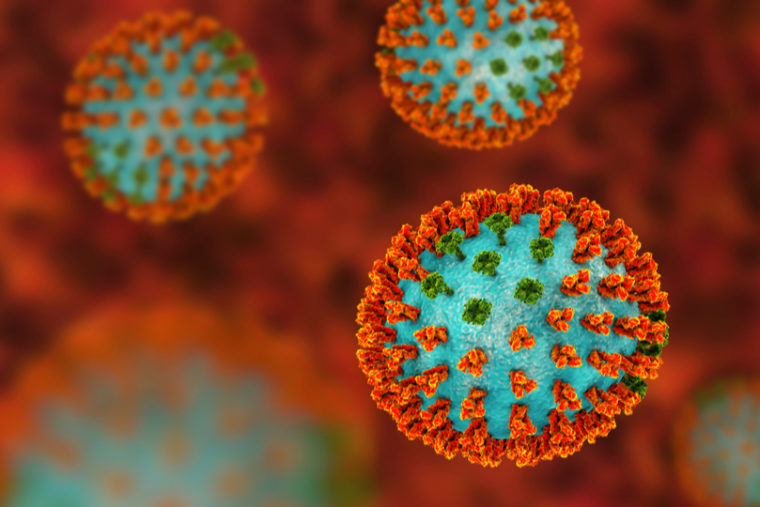
The End of Alzheimer’s and Cognitive Decline

A few months ago–as part of my ongoing quest to investigate and uncover the roots of my own ongoing health issues–I sent away for my 23andme results. I wasn’t so interested in the ancestry as I was the genetic health risk report, which tells you if you have genetic variants associated with certain health risks, such as the BRCA gene for breast cancer. And so it was that I discovered I carried one gene variant (from one parent) for late onset Alzheimer’s.

At almost the same time, I came across a brilliant book, written by Dale Bredesen, MD called The End of Alzheimer’s: The First Program to Prevent and Reverse Cognitive Decline. This extraordinary book quickly affirmed the substantially elevated risk associated with carriers of one or two variants of the Alzheimer’s ApoE4 gene. In the next breath, however, the book reveals the revolutionary program called ReCODE developed by this doctor and his team that according to this author is both preventing and reversing mild to moderate stages of Alzheimer’s as well as its precursors of general cognitive decline–in literally hundreds of patients! This article is essentially a short synopsis of this book. This article is for you, If you are:

  • someone who is suffering from cognitive decline yourself, or observing these changes in a loved one
  • someone who is currently a caregiver for, or who has experienced the loss of, a loved one to Alzheimer’s
  • someone who at any age discovers that they are a carrier of the ApoE4 gene, or
  • someone who wants to spread the word of hope to anyone like those listed above.

As of today, in the world of conventional or Western medicine, there is no cure for Alzheimer’s, and not even anything that reliably prevents or slows its progression. Alzheimer’s is not only fatal; for years and sometimes decades it robs its victims of their very humanity and terrorizes their families. Memories, capacities for thought, the ability to live full and independent lives, is gone as these individuals descend into a mental abyss where they no longer recognize their world or anyone in it. We have all known, met, or been caretakers of those with Alzheimer’s and directly experienced the toll that it takes.

Some facts about Alzheimer’s: of 244 experimental drugs tested from 2000 to 2010 only one–memantine–was approved in the treatment of Alzheimer’s. Its effects are modest at best. Alzheimer’s is the only one of the 10 most common causes of death, for which there is no treatment. Alzheimer’s strikes an estimated one in nine Americans 65 and older, or 5.2 million Americans. Globally 160 million people will be diagnosed with Alzheimer’s by 2050. About 75 million Americans carry either one or both of the ApoE4 gene variants. A single gene carries a 30 percent increased risk, and a double gene a 50-90 percent increased risk (depending on the study). Those who don’t carry the gene can also develop Alzheimer’s or significant cognitive decline, but this occurs in only about 9 percent of this population.

So what causes Alzheimer’s? And why is science, so successful in advances in other areas such as cancer and heart disease, failing so miserably when it comes to Alzheimer’s? Bredesen argues it is because they are approaching Alzheimer’s with a “one size fit all” mentality, and failing to see that it is a far more complex illness. In fact Bredesen and his researchers identified as many as 36 factors driving the Alzheimer’s process!

Seemingly rock solid evidence in lab rats shows Alzheimer’s is caused by accumulation in the brain of sticky synapse-destroying plaques made of a protein called amyloid-beta. These studies indicate that intervening in the steps of amyloid-beta production, or destroying these plaques would be an effective way to treat. All studies to date have therefore been focused on developing a drug toward this end. The compounds created in many cases did a great job of removing the plaques, or of blocking enzymes required to produce amyloid-beta. But the patients either didn’t get better, or got worse. What this means is that amyloid-beta is not the most significant factor in whether or not one develops Alzheimer’s, and that there must be other factors present that are actually driving the process.

Two conditions–Subjective Cognitive Impairment (SCI) and Mild Cognitive Impairment (MCI)–are stages of mild to moderate cognitive decline that are often present for years before full-blown Alzheimer’s appears. To date, no treatment exists to keep people with symptoms of SCI and MCI from progressing, much less to prevent them from developing at all. But these forms of cognitive decline, as well as Alzheimer’s-related dementia and Alzheimer’s, are showing great improvements–and even complete reversal if caught early enough–with Dr Bredesen’s program that I mentioned above, called the ReCODE protocol.

So what are some signs of the onset of SCI and MCI? How would you recognize if you or a loved one was starting down a path of cognitive decline, so that you could actually do something about it? Some typical signs include: facial blindness (difficulty recognizing and remembering faces), decreasing mental clarity (especially later in the day), decreasing interest in reading, an inability to follow or engage in complex conversations, an inability to follow movies with complicated plots, decreasing ability to recall what one has heard and read, decreasing vocabulary, mixing up words, difficulty remembering to-do lists and and appointments, sleep disruption, no mental boost from caffeine, and trouble speaking foreign languages one was once proficient in.

Along with identifying 36 clear factors that contribute to the cognitive decline of Alzheimer’s, Bredesen’s research has revealed three main types of Alzheimer’s. These three distinct subtypes of Alzheimer’s include: inflammatory, trophic, and toxic. Identifying these three subtypes has created profound implications for how to evaluate, prevent and treat it. It has also meant a shift from a “one size treats all” mentality, toward an approach long recognized by Eastern medicine, such as traditional Chinese medicine and Ayurveda: that people are unique, and that the whole person must be treated instead of focusing on a generalized medication approach to a single disease.

Bredesen and his team report they have been treating hundreds of patients with SCI, MCI and Alzheimer’s since 2014 with great success. Even more success has been achieved with patients exhibiting signs of SCI and MCI before they progress to full-blown Alzheimer’s. Obviously, the earlier you start a program to slow cognitive decline, the better the outcome can be. This is true of any disease caught in the early stage, rather than at more advanced stages.

The three types of Alzheimer’s identified by Bredesen are as follows:

Inflammatory “Hot” type 1: This is the most common type, and the one that responds most quickly to the ReCODE program. Labs in people with this type show an increase in inflammatory biomarkers like C-reactive protein, Interleukin-6 and tumor necrosis factor, a decrease in the ratio of albumin (blood protein that keeps unwanted molecules like amyloid and toxins out of the blood) to globulin, and metabolic and hormonal abnormalities that point to insulin resistance.

Trophic “Cold” type 2: This type typically initiates symptoms about a decade later than the inflammatory type. There is often no sign of inflammation; instead the nutrient support for brain synapses has dried up due to declining levels of hormones (sub-optimal levels of thyroid, adrenal, estrogen, progesterone, and testosterone), reduced vitamin D, high homocysteine and also insulin resistance. This type responds more slowly than type one. It should be noted, however, that people can have both type 1 and 2 simultaneously.

Toxic type 3: This last type is the most tricky and the least likely to respond to ReCODE. This condition tends to occur in people without the ApoE4 gene, and doesn’t typically run in families. It strikes in the late forties to early sixties, often following great stress. Rather than beginning as memory loss, type 3 usually starts with difficulties involving numbers, speech or organizing. The patient loses both recent and old memories. Labs show strikingly low zinc and high copper ratios, low triglycerides, hormonal abnormalities, and high blood levels of toxic chemicals such as mercury or mycotoxins, produced by molds. Therapies are required, that can be incorporated into ReCODE, that remove these toxins from the system.

The ReCODE program is basically a functional medicine based approach that combines extensive lab testing based on a careful patient medical and environmental history, together with other appropriate tests to determine the tailored approach required by the individual.

Doctors always recommend when we reach 50 we should have a colonoscopy. Bredesen recommends getting a “cognoscopy”, evaluating all of the potential contributors and risk factors to cognitive decline. This will create a clear picture of your risk and a path to treatment–whether you are already experiencing cognitive decline or not. Tests include:

  • Genetics: find out if you have the ApoE4 gene
  • Blood tests determining inflammation levels, hormone and nutrient levels, and the presence of toxins (presence of Lyme, heavy metals, mycotoxins or mold)
  • Sleep study: if sleep apnea is suspected, this needs to be corrected. Sleep apnea is extremely common and contributes substantially to cognitive decline, including driving Alzheimer’s processes. For more information on sleep apnea, check out my article here.
  • State of Your Microbiome: Stool and/or breath tests that uncover the state of a person’s intestinal microbiome. How is your gut flora? Are there pathogens?
  • Appropriate Imaging: MRI w/ volumetrics shows the percentages of the brain that may be decreasing or staying steady. Retinal imaging of amyloid-beta, at several hundreds of dollars versus PET scans of amyloid at several thousands of dollars, is an emerging but highly informative and useful technique to determine how progressed the condition is, as well as a useful tool for monitoring progress. PET scans detect relatively large collections of amyloid; retinal scanning can reveal if amyloid is in the blood vessels or not. With retinal imaging it is possible to identify many hundreds of very small plaques, map the location of each, and follow up to see if plaques have declined.
  • Cognitive performance testing can identify and improve cognitive function. Many companies provide online training, such as Posit Science, Brain HQ, and Cogstate. Hundreds of scientific papers have shown the importance of the cognitive effects of brain training; in fact one speed processing training program called Double Decision reduced the risk of dementia by nearly 50 percent ten years after the training–far more than any drug has accomplished!

If this article has inspired you, I highly recommend purchasing a copy of Bredesen’s book for yourself, for a much more in depth discussion of Alzheimer’s, cognitive decline after 40, and effective treatments. Finding a practitioner versed in ReCODE I believe would be a necessity for those who are already experiencing the effects of cognitive decline. We live in exciting times where great breakthrough are being made–both in conventional medicine, and functional medicine. To see these two powerful approaches come together in the service of the individual is I believe the wave of the future. Then we can look at our genetic risk report with confidence and gratitude: we know what to prepare for, and exactly what we need to do to prepare.

2019 Year of the Pig: What Will it Bring?

Kung Hei Fat Choi! Happy Lunar New Year! On February 5, 2019 we’ll be moving out of the year of the Earth Dog and into the year of the Earth Pig.

For those of you who may be unfamiliar: Western astrology foretells the present and future via the reading of the stars, whereas Chinese astrology focuses on patterns of “Chi” (or Energy), based on the belief in a cyclic life force that permeates all animate and inanimate objects. The ancient Chinese calendar, also known as the Farmers’ Calendar, or the Hsia Calendar, is a fascinatingly complex and eerily accurate system which not only records the passage of time, but can be used as a tool for fortune-telling. The Chinese horoscope rests on a sixty year cycle, broken up into twelve year cycles of predominant energies that are based on animal characteristics and the five natural elements of earth, metal, water, wood, and fire. When a person is born, they take on the particular characteristics present in the Chi of that year, month, week, day, and even hour of their birth.

Based on lunar rather than solar cycles, the Chinese calendar can be used to determine what the general “weather” will be like during a given year, and how each of the animal signs will fare in that weather. You can use this “weather forecast” to help guide your choices and avoid pitfalls in the coming year!

So what will this 2019 Year of the Pig bring?

The Earth Pig wraps up the last of the 12 animal cycles, starting over again next year with the Metal Rat.

Natural Disasters Involving Water and Earth

The Year of the Pig is characterized by two Chinese characters–with Yin earth sitting on top of Pig, which reflects the water element. Since earth is an element that is said to “conquer” water (think of water seeping into, and essentially disappearing into, the earth), they are said to be in a conflicting or destructive cycle. There is also an element of instability and “lack of foundation” in the configuration of water under earth. This can mean 2019 could bring some powerful natural disasters, including flooding and heavy rain storms, or earthquakes.

Relationships are Peaceful, With an Undercurrent of Conflict

In general, the Yin Earth Pig year represents peace, relaxation and comfort. However with “water under the bridge”, this peace and harmony can be superficial or unstable, with an undercurrent of danger, unrest and deception inside. There is an uneasy overall stability, with hidden or less open conflict and disharmony in international relations. Terrorist activity and other political unrest will be present. This principal can also be carried to personal relationships: there may be hidden tensions and dis-ease present underneath a seemingly content and stable exterior that can undermine the relationship and cause problems.

Lots of Travel, But Use Caution

The Earth sign includes roads in the Chinese interpretation, and the Pig sign also carries with it the indication of great movement and travel. Because the Earth element clashes with Water, accidents at sea are predicted. The year of the Earth Pig is also completely devoid of the Fire element, which governs air (more on that later). Therefore an increase in air traffic accidents could occur.

Health Issues: Digestion, Heart & Circulation, Arthritis

In Chinese medicine, the element of Earth represents the stomach, pancreas and overall digestion. Problems related to stomach and digestive complaints, and an increase in insulin sensitivity and diabetes therefore can develop. Because of the complete lack of Fire element in Earth Pig Year, weakness in Fire-related organ systems including the heart and circulatory systems will appear. Arthritis and sexual organ issues can also arise due to the unstable condition of the Water element. We recommend supplements this year to support digestion, heart health, joint health, and sexual (endocrine) health.

Devoid of the Element of Fire: Battling the Blues

According to the Chinese horoscope when an element is completely lacking, this can create all sorts of long-term imbalances. Since the middle of 2016, the Chinese calendar has been entering a long cycle of metal, earth and water, without the yang elements of wood and fire. The next Wood year will arrive in 2022; the next Fire year in 2025. With Fire essentially devoid this year, we can expect a lack of happiness, optimism, exuberance and confidence for a while. It is the element of Fire that boosts the economy and financial performance, and so the general economic atmosphere until 2025 will most likely be sluggish. Water is the element of fear, and so there may be economic and financial fears surfacing this year.

What Industries Will Prosper this Year? Which Will Suffer?

This year of the Yin earth element is expected to bring prosperity to the Wood industries (fashion, media, books, paper, education and environment) and the Earth industries (property, mining, insurance, agriculture, computer software.) Fire industries (entertainment, finance, energy), Water industries (shipping, transport, communications), and Metal industries (banking, machinery, cars) will all not face a particularly prosperous year.

General Warnings for Snake and Pig; Good Year for Tiger, Rabbit & Sheep

By and large, people born in the year of the Snake and Pig need to take the most care this year. Irritation and worries with one’s spouse, or health problems related to the lower half of the body are said to prevail this year. On the other hand, this will be a harmonious year for those born in the year of the Tiger, Rabbit or Goat/Sheep. Keep in mind that these warnings are greatly oversimplified; if you are a serious follower of the Chinese calendar, you will be aware that all animal signs appear in a person’s birth data, including birth month, day and hour, and that any clashes or impact in the Year of the Pig will be reflected much more subtly and with much more complexity than such broad generalizations.

Some Feng Shui recommendations:

* Adopt some simple feng shui solutions that magnify Fire and Wood energy in your home or office. Here are some suggestions:

Nurture the Fire Element here

Nurture the Wood Element here

*Those born in the year of the Pig should carry around a Tiger pendant to reduce negative influences.

*Hang a metal wind chime in the southwest corner of your home or office, as obstacles and misfortunes are said to arrive from this direction this year.

*Hang a string of six metal coins in the northeast corner of your home or office, as sickness is said to arrive from this direction this year.

*Hang a piece of red paper in the south area of your home or office, to minimize conflict and robbery coming from this direction.

*Place a small bamboo plant in a clear vase in the southeast corner of your home or office, to ward off scandals coming from the southeast.

Finally, I want to express my gratitude to Raymond Lo, from whom I borrowed much of the information for this article. Raymond is a renowned Hong Kong geomancer and Chinese horoscope consultant, and one of only five people to earn the title of “Grand Master” from the International Feng Shui Association. For more information, click here.

Sleep Apnea: Epidemic Silent Killer

It wasn’t long ago that I thought sleep apnea occurred predominantly in overweight people who snored and probably ate too much cheese. Also called the “American Sleeping Sickness”, sleep apnea in fact is a grossly under-diagnosed illness affecting both men and women, lean and overweight, with far-reaching, serious health consequences. In fact, doctors estimate that up to eighteen million Americans have moderate to severe sleep apnea, and seventy-five percent of them do not know it. This is partly because one third of those with sleep apnea have no symptoms at all. At the same time, the condition is not hard to diagnose and treat, and should be suspected and targeted far more often than it is.

So what exactly is sleep apnea, and what causes it? Sleep apnea occurs when the upper airway becomes blocked repeatedly during sleep, reducing or completely stopping airflow and thus lowering vital oxygen levels. As it turns out, there are two kinds:

Obstructive sleep apnea occurs when the tongue and palate get stuck together at the back of the throat, and shut off air flow. Many people with obstructive sleep apnea do snore, but there are many who do not.

Central sleep apnea occurs when your brain stops recognizing that it needs to keep breathing because it has gotten used to lower oxygen levels. In most cases, this is a secondary effect of long-term obstructive sleep apnea, but it can also be induced by the use of certain drugs (especially central nervous system depressants) or post-stroke.

How would you know if you had sleep apnea? What are some of the signs or symptoms? Some signs include snoring, consistently waking up tired or taking a long time to “wake up” in the morning, depression, overall lack of energy, and even an inability to lose weight despite following a diet and exercise plan that works for most people. Even the single symptom of sleeping eight hours, but waking up like a train wreck should be enough to warrant testing. Sometimes a spouse can confirm overhearing their partner stop breathing for short periods of time, and this is of course the most confirming symptom of all.

Another curious symptom of sleep apnea can be frequent nighttime urination. This occurs primarily for two reasons. First, if you have sleep apnea and are–literally–suffocating, one of the body’s involuntary mechanisms is the urge to urinate, even if you don’t have a quantity of urine. Second, if you have significant sleep apnea, and are becoming hypoxic, this condition acutely changes the pressure in your lungs, stressing your right ventricle and atrium, and causing the release of brain natriuretic peptide–a chemical that makes you pee more. In this case, the person could have a larger volume of urine.

There are two things every cell in our body needs to produce energy: oxygen and fuel. Sleep apnea arrests every single cell’s ability to get oxygen in the night. Serious illness and disease can result from years of this type of unchecked sleep oxygen deprivation. These include cardiopathies and plaque formation, behavioral and cognitive disorders, diabetes, cancer, and glaucoma. In fact, starving the brain of oxygen all night quadruples the risk of stroke!

Medical literature is also showing that sleep apnea can drive Alzheimer’s! I recently listened to a sleep apnea podcast featuring a doctor who had a patient diagnosed with early-stage Alzheimer’s. The patient came to him for help, and was–finally–diagnosed with severe sleep apnea. He had not had good restorative sleep in years. He started wearing a CPAP mask, and in time all symptoms of his “Alzheimer’s” vanished!

Low testosterone and low libido in both men and women, and erectile dysfunction (ED) in men can also be closely associated with sleep apnea. The most common cause of low testosterone is a condition called hypogonadotropic hypogonadism. This condition occurs when the brain stops producing hormones that trigger the ovaries or gonads to produce testosterone. This usually happens when the person is highly stressed (nature doesn’t want us having babies in times of great stress), and sleep apnea can be a very common stress factor triggering this condition.

Finally, dopamine levels in the brain (our neurotransmitter responsible for ambition, drive, self-confidence, and the ability to carry through with tasks) are highly affected by hypoxia, or lowered brain levels of oxygen. So low grade “symptoms” of lack of self-confidence, inability to complete tasks, and a general lack of motivation can potentially be related to sleep apnea.

Who gets sleep apnea? Sleep apnea is equally distributed among men and women. Overall there is a slightly higher prevalence in men, however menopausal and postmenopausal women outnumber their older male counterparts. Lower hormone levels can lead to a reduction in overall muscle tone, including the muscles of the throat. Loss of tone can cause the soft palate to sag, and the tongue to move toward the back of the throat, leading to congestion in the area where air needs to go.

As discussed earlier, sleep apnea can also lead to increased plaque formation, so it’s very important to get a heart scan three to five years after menopause or in older men if you are diagnosed with a sleep apnea condition. A recent study tested a group of 80-year-olds for sleep apnea. In the group, those found with sleep apnea were offered a CPAP machine (Continuous Pressure Air Pump). Forty percent of those positively diagnosed accepted the air pump. They continued to follow the progress of the sleep apnea patients, and found those without the CPAP had three times the cardiac mortality rate as those who had accepted it!

Now that we realize how acutely important it is to effectively diagnose sleep apnea as early as possible, the next question is, how is it diagnosed? There are specialized facilities for diagnosing sleep apnea, and this would be the preferred option for someone with a severe medical condition. However, there are simple screening tools that can be used at home that are far less expensive, and potentially more effective. There are clear advantages to conducting the study while you are sleeping in your own bed and home, not being watched, and under your normal circumstances.

Two options are available for purchase online. One is a wrist-worn oximeter with an oxygen sensor (usually attached to the finger) that is connected to a computer, and tracks oxygen levels at night. If these results come back showing borderline to low oxygen levels, you can consider the slightly pricier home sleep testing kit, which is usually conducted over a three day period, and includes a breathing tube and kit which is strapped to the upper abdomen. If oxygen is smooth and stable, and above 90%, you don’t have sleep apnea. Apnea is also measured on the apnea/hypopnea index–how many times an hour a person stops or nearly stops breathing for up to ten seconds. Below five is minimal, five to fifteen is mild, fifteen to thirty is moderate, and above thirty is severe.

To illustrate even more clearly the advantages of testing within your own home, is the story of another patient of the above-mentioned doctor who lived at high altitude (in Estes Park) with suspected sleep apnea. He came down a few thousand feet to test at a sleep facility (in Boulder), and tested negative. When he did a home study, however, it revealed severe sleep apnea. High altitude is, in fact, a huge exacerbating factor for both obstructive and central sleep apnea. Had this patient not tested within his own home, the sleep apnea would not have been discovered.

This brings us to our final question: how is sleep apnea treated? Would you be shocked if I told you that simply playing the didgeridoo (Australian aboriginal tubular instrument requiring a circular breathing technique) for twenty minutes a day has been clinically proven to eradicate sleep apnea? It’s true, and if you don’t believe me, take a look at this youtube video highlighting this British study. The only downside is you can’t stop! Once you stop playing the didgeridoo, the sleep apnea will return.

Most commonly, however, people are put on the CPAP, an air pump delivering continuous air/oxygen throughout the night via a face mask. Many people resist the idea of sleeping with an oxygen mask on, but newer versions of the CPAP are becoming increasingly less invasive. Also, don’t give up if at first it doesn’t “feel right”! There are tweaks to the mask and settings that can be made working closely with the right doctor that make it much easier to tolerate. As with anything else, each person must advocate for themselves.

Other alternatives are the Mandibular Advancement Device (MAD), a dental device that will do an adequate job on seventy to seventy-five percent of people with mild to moderate sleep apnea. It is important with this device to always retest after a period of time; it is not uncommon for the device to stop working after a number of years, at which time the CPAP or other solutions must be pursued. Unfortunately, many dentists do not routinely retest, so you may have to insist on this.

Expensive airway surgeries exist for sleep apnea, but in general these surgeries are traumatic, and not always effective.

Finally, what about acupuncture? Can acupuncture help improve sleep apnea? The answer is a preliminary “yes”, particularly for moderate sleep apnea! In 2006, Dr Freire of the Public Hospital of the Universidade Federal de Sao Paolo in Brazil, conducted a randomized control study of 36 participants, divided into three groups of 12 treated, untreated, and sham acupuncture. Freire and her fellow researchers found that ten weeks of acupuncture treatments of patients with moderate obstructive sleep apnea (OSA) led to significant improvement that was not duplicated in the untreated control group, or the sham acupuncture group. While ten participants dropped out, of the 26 that remained, the mean apnea-hypopnea index of the treated group diminished from 19.9 (incidents per hour) to 10.1 while it rose from 21.6 to 24.6 in the sham group, and from 20.4 to 28.2 in the control group. (Note that 10.1 incidents per hour is still considered to be mild sleep apnea, and it is unknown had these participants continued yet another ten weeks, if the index would have dropped further.)

In their article “Treatment of Moderate Obstructive Sleep Apnea Syndrome with Acupuncture”, published online by Sleep Medicine in 2006, they stated, “We have found preliminary evidence that acupuncture is effective in the treatment of OSA. This work, however, must be replicated and the observation period after treatment should be extended in order to evaluate the duration of the improvement obtained and also to establish well defined treatment protocols.”

In responding to an e-mail inquiry, Dr.Freire commented that the most dramatic finding was that acupuncture treatment led to significant strengthening of the genioglossus, or tongue muscle! After treatment, patients’ tongues were three or four times stronger than those of patients in the control group. (Tongue strength was measured by electromyography, a technique of metering electrical activity in the muscle at rest and then as it is contracted.)

More currently: a meta-analysis in April 2016 of six randomized controlled trials involving 362 subjects was conducted on the effect of acupuncture therapy for obstructive sleep apnea. Compared with control groups, both manual acupuncture and electrical acupuncture (using e-stim in addition to points) were found to be effective in the improvement of the apnea/hypopnea index and the SaO2 (measurement of the percentage of how much hemoglobin is saturated with oxygen) compared to control groups who received no treatment, or sham treatment.

More studies need to be completed to determine whether or not long-term acupuncture can be used in place of the widely-used CPAP or Mandibular Advancement Device (MAD). But it is this author’s opinion that the results might come in similar to the findings of the didgeridoo: that once the acupuncture is stopped, the symptoms will most likely worsen again. However, it might be worthwhile for someone with mild to moderate sleep apnea but opposed to use of a CPAP or MAD to explore regular acupuncture treatment, on the condition that they routinely test themselves over a period of time to ensure that these techniques are working, and that they are achieving the oxygen levels their body requires. If you happen to read this article and want to give this a try, let us know your results!

Why is Acupuncture So Effective for Pain? A Simple Scientific Explanation

At the center of three thousand-year-old Chinese Medicine is the concept that Qi (pronounced “chee”), or life energy, flows through the body within acupuncture meridians. As long as Qi is abundant and flowing freely, the body remains in balanced health. When the Qi flow is obstructed, however, it becomes backed up in one area of the body and restricted in another area. The result? Pain and discomfort. Sickness and poor health.

There is a saying in Chinese Medicine, “If there is pain there is no free flow; if there is free flow there is no pain”.

Many life factors can influence the quality and quantity of Qi within the body; these factors also cause the obstruction or weakening of Qi and the creation of pain or illness. Common sources include trauma (both physical and emotional), imbalanced structural alignment, poor diet, stress, lack of exercise or over-exertion, environmental toxins, seasonal changes and genetic factors. Acupuncture promotes and re-establishes the free flow of Qi, allowing the body to self-correct.

But how exactly?

Terms such as “Qi” and “meridian” remain very obscure from a modern medical and science-based perspective. Difficulties in translation and interpretation of ancient Chinese medical principles and terminologies created these terms that are essentially useless within the modern medical community. More current translations connect “Qi” with oxygen and other life-giving components circulating within the blood, and “meridians” with nerve and circulatory pathways that stretch from head to toe.

If you are a visual person, I like to provide the analogy of Body Worlds, a traveling exposition of dissected human bodies that have been preserved through the process of plastination. If you haven’t seen these amazing preservations, you can visit the Denver Museum of Natural Science. You can see in minute detail the thousands of tiny network vessels lining body tissues from head to toe, and for me this provides a very visceral view of what the Chinese meant by the terms “meridians” and “network vessels” ( ever smaller meridians branching off from the larger).

Along the fourteen major meridians identified by the ancient Chinese lie the three hundred and sixty one classic acupuncture points used by acupuncturists today. Science is increasingly discovering that many of these acupuncture points appear to exist in areas with a high concentration of nerves and blood vessels also known as neurovascular nodes that reach very specific areas deep within the organ systems as well as on the surface of the body. In other words, science is slowly revealing what the ancient Chinese mapped out through centuries of clinical observation and documentation.

Thus, there is an explanation that is easier for most people in our modern medical and scientific model to understand: needling acupuncture points has a direct effect on increasing blood circulation locally and in areas that are distal to (far from) the actual needle insertion due to specific nerve and vessel pathways.

The needles additionally activate and stimulate the nervous system to release innate pain-relieving and immune-boosting chemicals via blood circulation into specific areas, including the muscles, spinal cord, and brain. Modern clinical studies exploring acupuncture’s effect on stimulating or boosting natural biochemical production continue, and include: correlations between acupuncture and the rise of endorphins and other natural pain-relieving chemicals in the blood, as well as the stimulation of local and systemic immune responses .

We know blood is rich in life-sustaining and healing oxygen, natural analgesics, anti-inflammatories, immune components and endorphins. Much of the problem with healing from injury and disease is due to obstructions in access to blood, due to local inflammation, scar tissue/adhesions, toxic buildup, and the nature of the tissue itself (tendons inherently lack the blood supply of muscle tissue). Acupuncture works immediately to begin stimulating increased blood flow into these compromised areas.

On a more systemic level, the improved natural biochemical access and balance produced by acupuncture results in greater energetic, physical and emotional well-being. Of course acupuncture isn’t magic: the number of treatments depend on the severity and length of time symptoms have persisted, and a good rule of thumb is for every year someone has had a symptom, one month of treatment. If there are problems with structual alignments in the spine and joints, then it is often most effectively used in tandem with chiropractic.

Of course sometimes the damage is too great for acupuncture or other palliative therapies. There is a time and place for surgery, and the more aggressive treatments that are the hallmark of our conventional medical model. But even if surgery is required, acupuncture can be an incredible support in stimulating the body to heal quickly and with far fewer complications, while improving sleep, mood and energy levels along the way.

No matter which explanation–ancient or modern–works best for you, acupuncture is simply a three thousand-year-old time-tested medical technique that works, and is increasingly being utilized by the lay public and recommended by doctors in the West. Acupuncture is currently recognized by the National Institute of Health (NIH) and the World Health Organization (WHO) to be effective in the treatment of:

  • Muscle, Bone and Nerve Pain and Disease
  • Joint Pain and Arthritis
  • Digestive Disorders, such as IBS, colitis, and reflux
  • Respiratory Disorders, such as asthma, sinus infection, cough
  • Immune Disorders, such as flu/cold symptoms, allergies, and lowered immunity
  • Circulatory Disorders
  • Dermatological Disorders, such as eczema, acne, and psoriasis
  • Gynecological Disorders, such as PMS symptoms, fertility problems, menstrual pain, and menopausal syndrome
  • Emotional and Sleep Disorders, including anxiety and depression
  • Men’s Health
  • Addictions
  • Preventive Health