B12 Injections for Energy Boost

Do you suffer from fatigue, depression, anxiety and poor memory or concentration? Did you know that even a mild deficiency of vitamin B12 can lead to these symptoms? In more severe cases, B12 deficiencies can lead to neuropathy, permanent nerve damage, mania and psychosis. That’s right: there are cases in psychiatric papers of patients on months of antipsychotic and antidepressant medications before anyone bothered to check their B12 levels!

In fact, Vitamin B12 is required for a myriad of functions in the body. It is a prerequisite for the formation of red blood cells which deliver nutrients to all parts of the body. It is vital in digestion and absorption by transforming the food we eat, including carbohydrates and fats, into energy. It allows for the proper absorption of fatty acids and amino acids. It even plays a role in DNA health, including the building and metabolizing of neurotransmitters, allowing for a healthy functioning brain.

Individuals who suffer from gene variants, including the increasingly tested MTHFR and MTRR, are particularly vulnerable to falling deficient of an adequate supply of activated/bioavailable vitamins. These individuals often suffer from inexplainable chronic fatigue and depression.

Here at Denver Community Acupuncture, we offer injections of methlycobalamin, the most enzymatically active form of vitamin B12 which naturally occurs in the body. Other forms of B12, such as cyanocobalamin and hydroxycobalamin are converted to methlycobalamin in the body. Results from our clients who have been receiving injections include an increase in energy, improved quality and duration of sleep, better memory and mood, decreased headaches, and fewer allergic reactions. Vitamin B12 has also been effectively used to treat anemia, peripheral neuropathy, memory loss, IBS, heart disease, ALS, and MS, as well as lowering homocysteine levels in the blood (linked to increased risk of heart attack and strokes).

B12 is found in most animal derived foods, including meat, eggs, and dairy, with the highest bioavailable sources from liver. There are no non-animal sources verified by human trials, therefore it is imperative that vegans and vegetarians supplement with B12. Even those who eat meat, or supplement with B12 may still be deficient due to inadequate intake.

More commonly however, malabsorption, intestinal disorders, and certain medications can reduce the amount of B12 in the body. Our bodies are unable to construct B12 without the help of stomach acid, intrinsic factor, and healthy gut flora. Vitamin B12 derived from foods consumed is bound to protein and requires stomach acid to release it. Thus, anyone taking antacid and/or acid blocking medicines, such as PPIs will have their B12 absorption inhibited. Also, as we age our bodies tend to produce less stomach acid and intrinsic factor which makes deficiencies in B12 more prevalent the older we get.

Oral forms of vitamin B12 are not dependable, especially if there are any digestive imbalances in the body. Through an intramuscular injection of methlycobalamin, you are assured that the vitamin will be delivered directly to your blood system boosting your mood, energy, and concentration. The injections are most effective at intervals of once a week at first. For more severe cases such as anemia or chronic fatigue we may recommend twice a week.

Covid Times and Your Liver: Do You Have Liver Qi Stagnation?

Are you one of many suffering not from symptoms of Covid-19, but the side effects of long-term quarantine and social distancing? Are you experiencing feelings of isolation, and/or a feeling of social or psychological suffocation, not unlike “spring fever” after a long winter shut indoors? Here at DCA we are seeing many patients expressing these feelings. We are seeing a lot of neck and shoulder pain and tension from long hours sitting in front of the computer at home, in people who normally commute to work. We are seeing some patients developing deep depression.

This is the revival of an article I wrote several years ago on American culture and the many symptoms we frequently see in clinic of “Liver Qi Stagnation” in our patients. These symptoms have only been wildly compounded by the events of 2020, with months of Covid quarantine and the roller coaster of preelection politics. So let me ask you: Are you feeling emotionally, physically, and/or mentally STUCK? Take the following quiz to find out if you have the classical Chinese medical condition known as Liver Qi Stagnation:

  1. Do you suffer from depression?
  2. Do you suffer from migraines or frequent headaches, particularly at the temple region?
  3. Do you have a tendency to anger or irritability?
  4. Do you carry a lot of tension in your neck and shoulders?
  5. Do you have TMJ, or grind your teeth at night?
  6. Do you often wake between 1-3am, and/or have difficulty sleeping during that time?
  7. Do you suffer from frequent ribside pain or get “side cramps” when running?
  8. Do you often get hiccups, sigh a lot, or experience a “lump” sensation in the throat?
  9. Do you have mild to severe PMS symptoms, including breast tenderness, irritability and emotional sensitivity, premenstrual migraines or headaches, or menstrual cramping and clots?
  10. Do you have allergies that include itchy, red, or tearing eyes?
  11. Have you ever been diagnosed with hyperthyroidism?

If you answered yes to one or most of the above symptoms, you are suffering from varying degrees of Liver Qi Stagnation. Before “Covid times”, Liver Qi Stagnation was usually caused by too much activity: the typical American life-style includes busy schedules and exhaustive to-do lists, with not enough time in the day to ever feel complete. We are all well-trained to push aside the simple pleasures of life in favor of perfecting our commitments, which can leave us frequently feeling overwhelmed and frustrated. Fast forward to 2020, and we are experiencing almost the opposite: travel and social restrictions that make us feel we have been placed in a straitjacket! Interestingly, both too much and too little movement of Liver Qi can cause the same effects: stagnation, and symptoms.

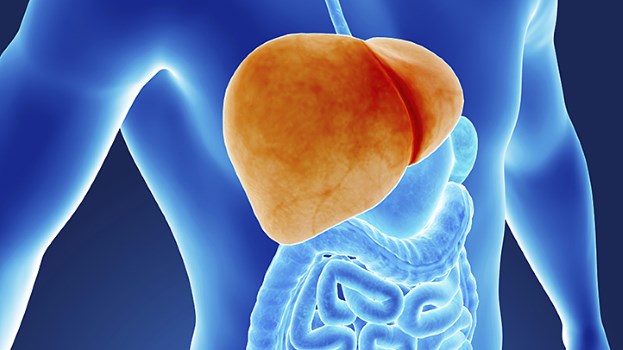
According to Chinese medicine, the Liver is the storehouse as well as the regulator of the flow of Blood and Qi in the body. The Liver’s job is to absorb and assimilate all toxins, provide and transport pure Blood, and cleanse the body of blockages so energy can move freely. When the Liver’s function is disrupted, we are forced to take on more toxic burden than we can handle emotionally and physically. Without proper detoxification, our reactions towards our external environment are transformed either into external emotional outbursts of frustration and irritability, or internalized depression. We become prone to allergies, autoimmune illness, mood swings, and subject to chronic obstructive tension in the body that may manifest as headaches, neck and shoulder pain, and jaw tension.

With prolonged periods of Liver stagnation and malfunction, Liver Blood is said to be consumed. This can lead to short term memory loss and mental fatigue. The eyes are directly connected with the Liver, resulting in vision impairment, blurred vision, dryness, and light sensitivity. Significant in “Covid times”, these eye symptoms are only exaggerated by long periods of time in front of screens. (We hope you are making use of blue light blocking glasses!)

The Liver governs the reproductive system in Chinese medicine. This ties in closely with the Western medical understanding of the liver and its critical role in processing hormones. PMS symptoms that point to Liver dysfunction include breast swelling and tenderness, irritability, cramping, blood clotting, migraines or headaches before, during, and after menstrual bleeding. Light periods or even lack of a period (amenorrhea) are indicative of the long-term consumption of Liver Blood.

So what can we do to help Liver Qi Stagnation? Chinese herbal formulas and regular acupuncture are particularly effective for treating Liver Qi Stagnation and Liver Blood deficiency symptoms. Taking herbs for a few months and/or receiving weekly acupuncture treatments will resolve most PMS symptoms and menstrual discomfort, as well as headaches or migraines, depression, neck and shoulder tension, irritability and insomnia, and even “plum pit qi” (sensation of a lump in the throat).

A four point protocol referred to as the Four Gates in Chinese medicine, using points Large Intestine 4 and Liver 3, are said to strongly regulate the flow of Qi in the body. There are a number of Chinese herbal remedies that are remarkable for regulating Liver Qi, but the most well known is Xiao Yao San, or “Free and Easy Wanderer” (don’t we love that name in these times). Also referred to as a “woman’s best friend”, Xiao Yao San contains a magical combination of herbs that are said to “dredge” or regulate the Liver Qi, while simultaneously boosting Liver Blood–powerfully regulating and normalizing the menstrual cycle.

Apart from Chinese herbs and acupuncture, diet and lifestyle can make a significant difference. Certain foods and spices can help eliminate stagnation in the Liver, and produce a clear flow of energy. Milk thistle, dandelion greens and root, garlic, onions, turmeric, and common kitchen spices such as oregano, thyme and basil assist the Liver in it’s moving and regulating function. Used in moderation, coffee can also be a potent Liver Qi regulator: patients often report their symptoms helped with a little caffeine. Careful though–too much can easily aggravate! Xiao Yao San can be an excellent substitute.

Other foods, such as squash, sweet potatoes, dates, beets, and dark leafy greens help to nourish Liver Blood. In fact, the best food for the liver IS liver: raw or cooked liver several times a month is the most common way traditional people supported liver health, and especially reproductive health.

Exercise is very important for moving Liver Qi, and facilitating flow in the body. Chinese medicine recommends moderate exercise such as tai chi, yoga, biking and hiking. More extreme forms of exercise can lead to a loss of Liver blood. Liver Blood is said to nourish the tendons, and a deficiency will lead to weak and brittle tendons prone to injury. This Liver Blood loss with excessive exercise is seen most graphically in female athletes who typically will either stop having a monthly period, or have a very light period.

For those of you who are “Type A”, you have to work extra hard to find balance. It’s true that those with a healthy Liver function can be extremely successful, innovative, and pioneers at their passions in life. However without proper care, and taken to excess, this lifestyle quickly leads to burn-out, and many of the physiological symptoms listed above start to manifest. Our advice for these individuals is to meet the challenges of Life with enthusiasm, while at the same time being willing to carve out time for rest, relaxation, and “smelling the roses” along the way.

And for now, as we continue into the tail end of 2020, in times of both extreme chaos and socially imposed immobility? We are all going to have to work extra hard to love our Livers, and get through the year together! Deep breaths, your chosen exercise that mindfully connects you with your body, mindful eating, acupuncture, restful sleep, and annual or seasonal liver detoxification cleanses should carry you down the road quite a way toward being one of the few with a healthy Liver.


Battling the Post partum Slump

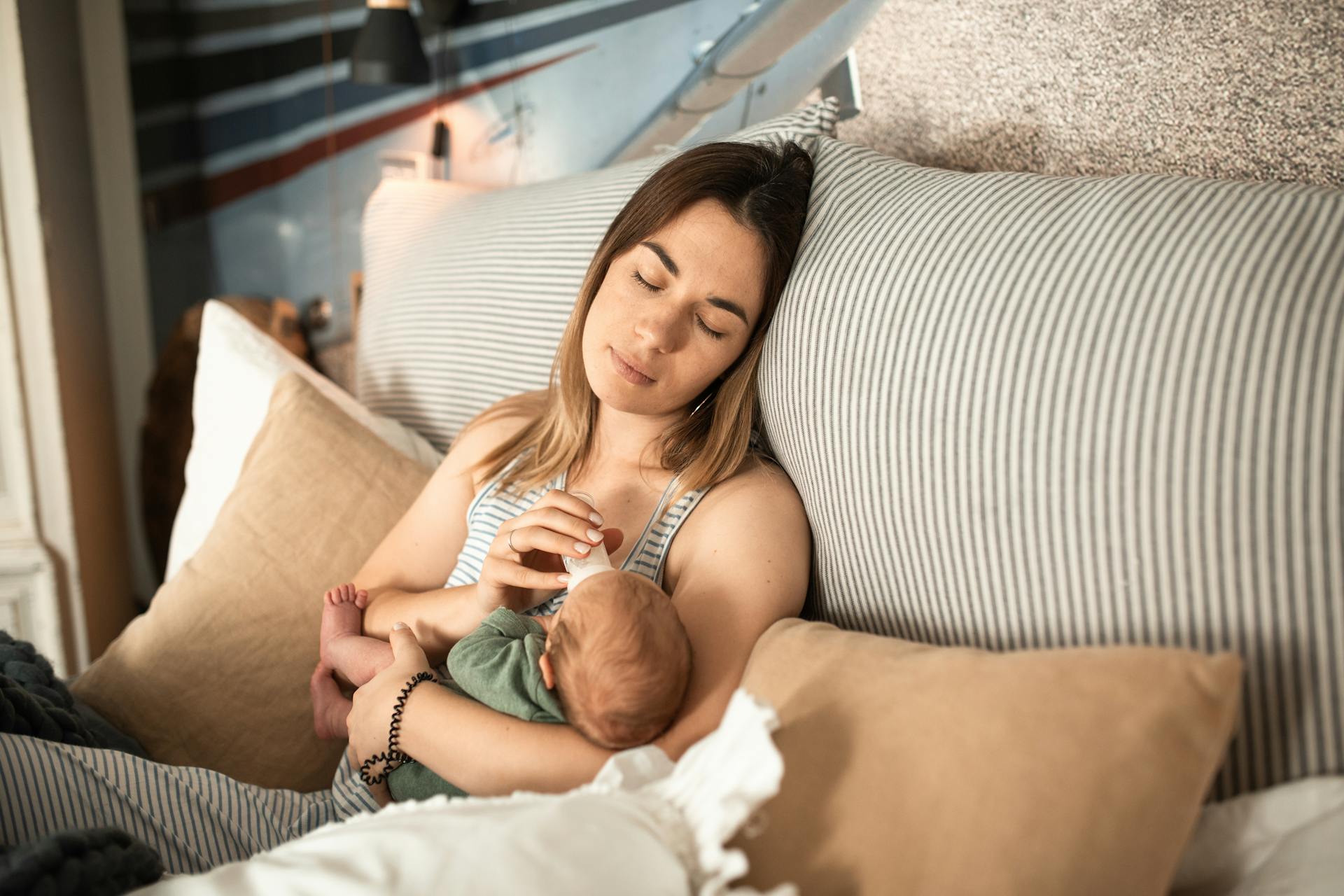
For so many in the initial post partum period, we jump into the realm of caregiver to such a degree that self-care is set to the back burner. In truth, to some degree, in the first 6 weeks to a year after your baby’s birth it is almost impossible to achieve balance. Many do experience a normal sense of loss given these changes, and amidst the joy of watching your child grow, these feelings can turn cyclic into post partum depression.

Often in pregnancy we are so good at taking care of ourselves and making positive lifestyle changes because it’s such an obvious correlation to safeguard this developing life. Far too often, postpartum comes in with the sleeplessness and shifting hormones, and we find ourselves eating the easiest foods and forgetting about exercise because were busy celebrating fitting in the shower. We feel a deep need for connection but can hardly finish a topic of conversation. Understanding this change and shift allows for a change in expectation, and this is needed. We have entered a different time, yet we can still maintain a watchful eye on the windows of rejuvenation and carve out time for ourselves as parents. This is why in the midwifery tradition and many traditions around the world, it is encouraged to have a laying in period of anywhere between 10 to 40 days. This tends to fill one’s cup as partners, friends, grandparents and post partum doulas help us rest more often, sleep when our baby is sleeping and take over household responsibilities. As one reintegrates out of the first few weeks to a month or maybe when work starts at 3 months we transition from the supporting help and begin to return to household and work responsibilities. I always recommend continuing to take a high quality prenatal throughout the entire nursing relationship or at least 6 months post partum. Continuing or beginning 1200mg of fish oil and at least 2000 IU of vitamin D depending on your unique situation are essential to support mood postpartum and help reduce the chance of post partum depression. Motherwort tincture, meaning “herb (wort) for the mother” has long served us in the post partum during the frazzled moments when you find yourself angrily lashing out at the older kids or losing your grounding in anxieties.

Many have found emotional benefits from using herbal infusion blends of nettles, red raspberry leaf and lemon balm. Nettle leaf offers its gentle adaptogenic properties of stress relief and adrenal support and is deeply nutritive. Raspberry aids hormonal balance and has a high mineral content and lemon balm calms anxieties. For those fussy babies, one might try an infusion of chamomile, catnip, lemon balm and fennel or caraway seeds.

Many find their digestion slower post delivery. This may be from the compressed intestines falling back into place. Bloating or struggling with elimination post pregnancy is common and could also reveal an undiagnosed leaky gut. Many aspects go into supporting digestion post partum. Food is of course is our best medicine and easier said than done well post partum. Yet truly continuing to focus as intently on high quality foods post partum as in pregnancy eases the transition.

Nutrient dense foods such as sweet potatoes, eggs, and greens (while minimizing the brassica or cabbage family), good fats like a variety of nuts, olives and coconut oil and keeping your sweets and even excessive fruit to a minimum helps to reduce episodes of “hunger” and stabilize moods. Many report appetites increase during breastfeeding as compared to pregnancy and experts recommend eating at least 500 more calories during breastfeeding than in pregnancy. Meal planning and freezing in the last months before delivery as well as slow cooked meals are strategies to help increase quality meals. Three hundred mg of magnesium citrate at night can also aid in elimination, sleep and nerves, and it’s helpful to add a probiotic into your routine. Of course there is exercise, so simple but so important in supporting health and so easy to drop. Most of us know it is pivotal for thriving post partum, but it is ever so hard to fit it in now with childcare requirements or within a cycle of nursing. Yet exercise today is more inventive and supportive for mothers in their post partum year. From gyms with childcare, to strollers fit to mommy and me yoga, and now home core strengthening routines, we can exercise fit into our days. Great resources include “Core Floor and Restore” and “Mama Strong” among many others. Exercise cannot be overlooked to support a post partum transition! We need the movement for our digestion, to detox, to process hormones, to prevent sickness and to help us sleep deeper at night, and most of all provide us with the endorphins to support our moods.

Within our small windows of free time, during an unexpected long nap for example, we must ask ourselves where will our time be used best to flourish our hearts? Can we release expectations about how clean we want our house to be or set aside Facebook or phones to use our time to make that nutrient dense smoothie or take that walk that will fill us up emotionally and mentally? One might find much benefit from adding in Mayan abdominal massage for a stubborn digestive issue or acupuncture for anxiety. Yet it’s important to give ourselves permission to reach out to a naturopath, doctor, and counselor when these simple measures aren’t meeting our needs. If you can’t seem to face even simple tasks, be gentle with yourself, and honor it is likely your hormones and not a fault of your own.

For further reading check out Natural Health After Birth by Aviva Romm.

Chinese New Year 2016-Monkey of Mischief

Chinese lunar new year has already come and gone! February 8th officially ushered in

the Year of the (funky) Monkey, as we bid a fond farewell to our amiable, gentle and dependable Year of the Sheep.

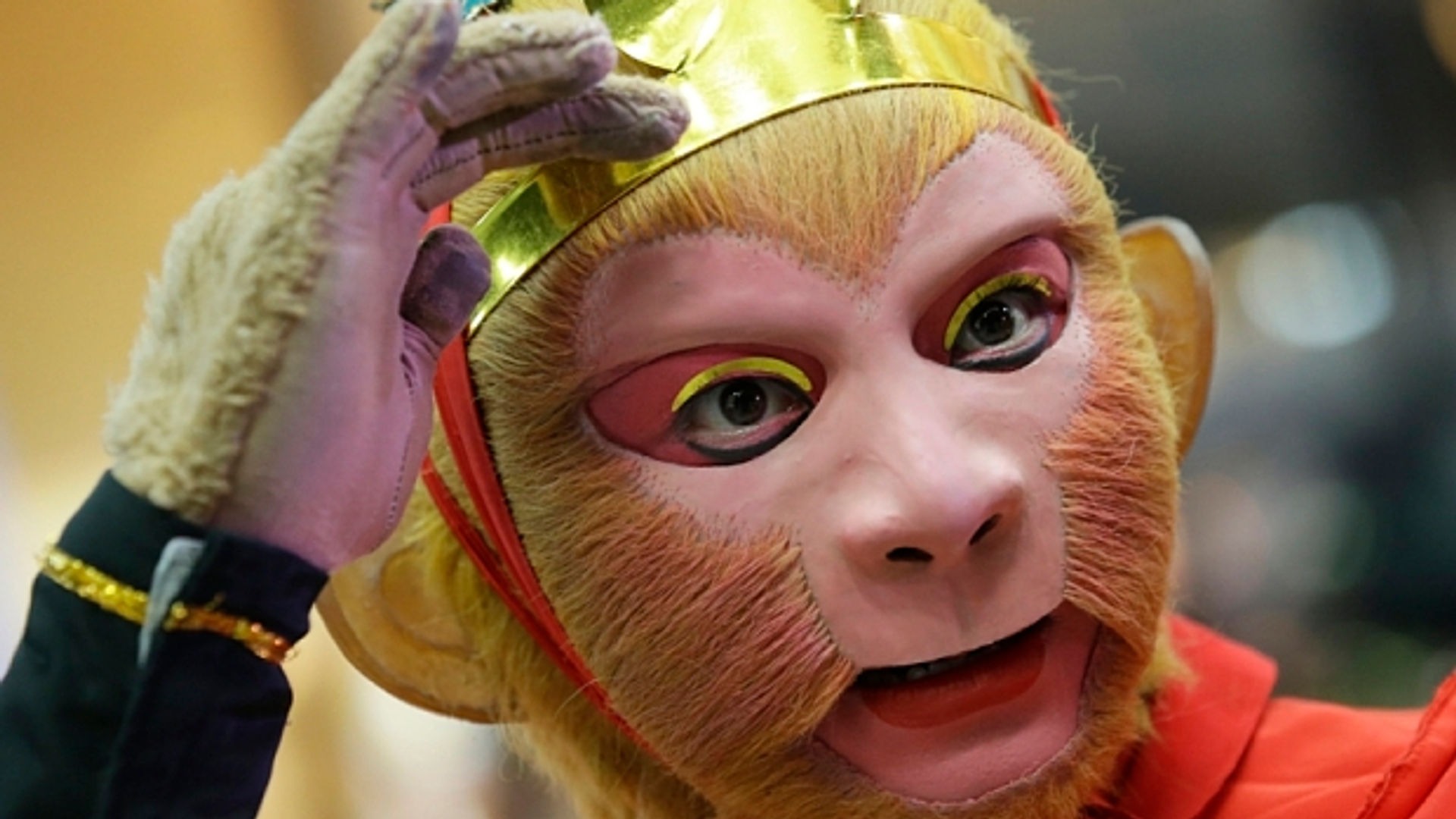
So whatʼs in store for us? Hold on to your hats! Unlike the relative quiet and stability of Sheep, the Monkey is up to mischief! Expect your life to be shaken up a bit this year. Those born in the year of the monkey are clever, resourceful, sharp-witted and just wanna have fun.

As if this werenʼt enough, this is the year of the Fire or “Red” Monkey. The five Taoist elements accompany animal cycles in the Chinese horoscope–earth, metal, water, wood, and fire. Fire brings the element of expansion, joy, creativity, spontaneity and danger–magnifying these elements already present in the Monkey. Explosive!

In Asia, the Fire Monkey is considered a very lucky sign, with good fortune and great opportunities in abundance. Nonetheless, the monkey canʼt always be trusted; we are advised to avoid impulsive decisions, and to question our trust in those with whom we launch business or entrepreneurial ventures this year.

In the world of health, the Year of the Fire Monkey indicates illnesses that include higher fevers, and problems with the lungs, large intestines and skin, including eczema, hives, skin rashes and shingles. Expect more inflammatory conditions of all kinds. It is not a good year for asthma or allergies. On the other hand, the year of the Fire Monkey lends strong energy in overcoming illnesses as well. The lung, skin, and intestines are important organs in detoxification. So this is an excellent year for cleanses, healing and renewal.

Want to learn more about this Fire Monkey year, and how it may affect your personally? Click here.

Happy New Year! We at DCA wish you a prosperous, joyful, and health-ful year!

Kung Hei Fat Choi! Xin Nian Kuai Le! Gong Xi Ni! (Happy New Year)!

Maya Abdominal Massage: Ancient Female Healing

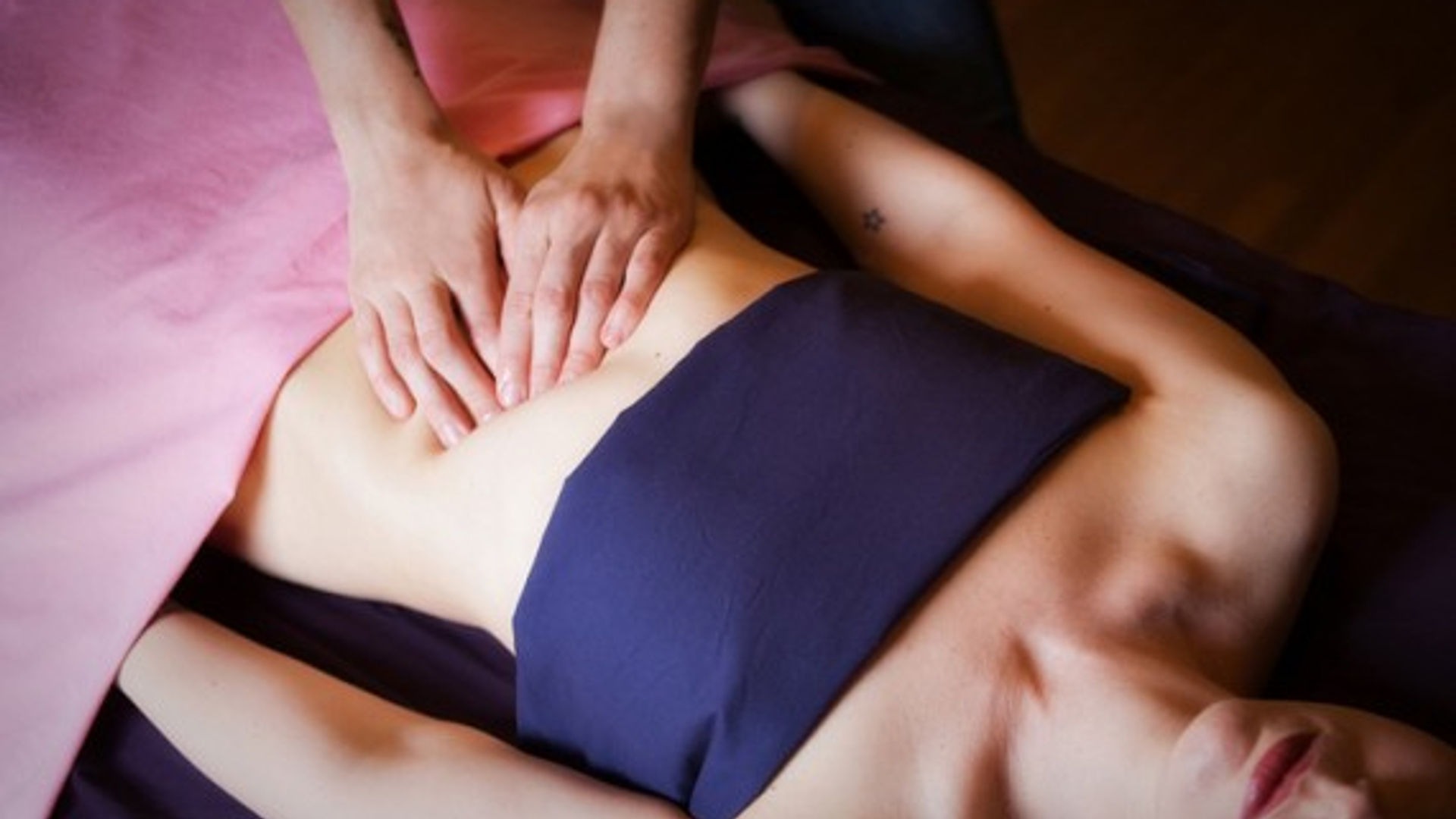
The Arvigo Techniques of Maya Abdominal Therapy (ATMAT) are founded on the ancient Mayan technique of abdominal massage. This external, non-invasive manipulation repositions internal organs that have shifted, thereby allowing the proper flow of blood, lymph, nerve and qi energy. The ATMAT is quite different from standard therapeutic massage, although incorporating some techniques of therapeutic massage; the focus is on abdominal health.

Maya Abdominal Massage is beneficial for both men and women, including increasing digestion function, promoting proper organ function, and also promoting fertility, reproductive health, and female prep for pregnancy. The massage has been incredibly successful with helping women around pregnancy, preparing the uterus for delivery, or lifting uterine and bladder prolapses caused from pushing hard or for long durations during delivery.

Many other conditions also respond favorably to treatment with ATMAT. These include: prolapse in older women who have experienced a bad fall or pelvic injury; internal stress from high impact exercise in athletes; and a pronounced difference in the appearance as well as the smoothness of the skin in those with abdominal adhesions and scar tissue from surgeries.

Those with difficult or painful menstrual cycles may experience a dramatic shift within two to four sessions. Just recently I had a client who after three sessions went from taking around twenty ibuprofen per period to two or none. Not only can ATMAT reduce and sometimes eliminate pain from menstrual cycles, it also teaches and helps women to reconnect with their bodies, especially rebalancing and adjusting after difficult physical/or emotional situations involving their abdomen.

There will usually be recognizable improvement in symptoms within two ATMAT sessions, and changes can be dramatic within four to five sessions. Teaching self care massage is often recommended, including sending patients home with castor oil packs so that they can contribute even more to their own healing through self massage and care at home.

Treating Dysmenorrhea with Chinese Medicine

Can Chinese medicine be an answer for menstrual pain, referred to in medical circles as “dysmenorrhea”? The answer is a resounding “YES!”

What is dysmenorrhea?

Dysmenorrhea occurs when a women experiences irregularly intense and sometimes debilitating pelvic pain, low back pain, abdominal cramping, fever, nausea, diarrhea, or vomiting during or close to the beginning of her period. The menstrual pain can last anywhere from hours to several days and can affect a woman’s work, sleep, and overall quality of life, making it extremely difficult to function.

Primary dysmenorrhea is the most common form of menstrual pain and can be attributed to factors such as lifestyle, nutrition, and stress. Secondary dysmenorrhea is less common and related to underlying physical conditions in or around the uterus. According to the Center for Complimentary and Alternative Medicine (CCAM) up to half of all American women suffer from irregularly intense and debilitating menstruation, particularly prevalent in younger ages.

Which factors contribute to Dysmenorrhea?

  • High Stress
  • Lack of Exercise
  • Low Body Weight
  • Early Menses (12 or under)
  • Longer Menses
  • Heavier Bleeds

What’s my Chinese Pattern with Dysmenorrhea?

In Chinese Medicine identifying bodily patterns is the start of any diagnosis to determine the cause of symptoms. Menstrual pain and reproductive issues could be caused by disruptions of blood flow, qi movement, and organ health. Common Chinese diagnoses include:

  • Liver Qi Stagnation
  • Spleen Qi deficiency
  • Blood Stagnation

What’s in the Research?

Multiple studies involving 3000 women at the Oriental Hospital at Kyung Hee University Medical Center in South Korea found that acupuncture may be more effective than drugs or herbal medicine for menstrual pain. Acupuncture was found to stimulate endorphins and release serotonin which helps the nervous system, and subjects reported a reduction in pain associated with menses as well as an increase in their overall feeling of well-being. To read more, click here.

How can I Prevent & Treat Menstrual Issues?

A combination of acupuncture and Chinese herbal formulas are very effective for managing menstrual pain, including both primary and secondary dysmenorrhea and their associated symptoms. Initially weekly acupuncture is advised, with an increase in treatment in the second half of the menstrual cycle leading to menstruation. As symptoms subside, usually a monthly treatment in the week approaching menstruation is all that is necessary. With continued acupuncture treatments, menstrual pain should subside completely within a few to several months, depending on the severity. Adding in Chinese herbal formulas both increases the effectiveness of acupuncture, and can dramatically minimize treatment time.

Chinese medical practitioners also discuss dietary changes, including specific foods that are relevant to the symptom pattern of the patient. This may include foods that promote better blood circulation and reduce clotting, foods that build blood and prevent anemia, as well as foods that will support strong digestion and liver function. Exercising a couple times a week can also assist in keeping the qi and blood flowing freely, promoting a healthier menstrual flow.

Physical Therapy for Pelvic Pain, Weakness, and Bladder Health in Women

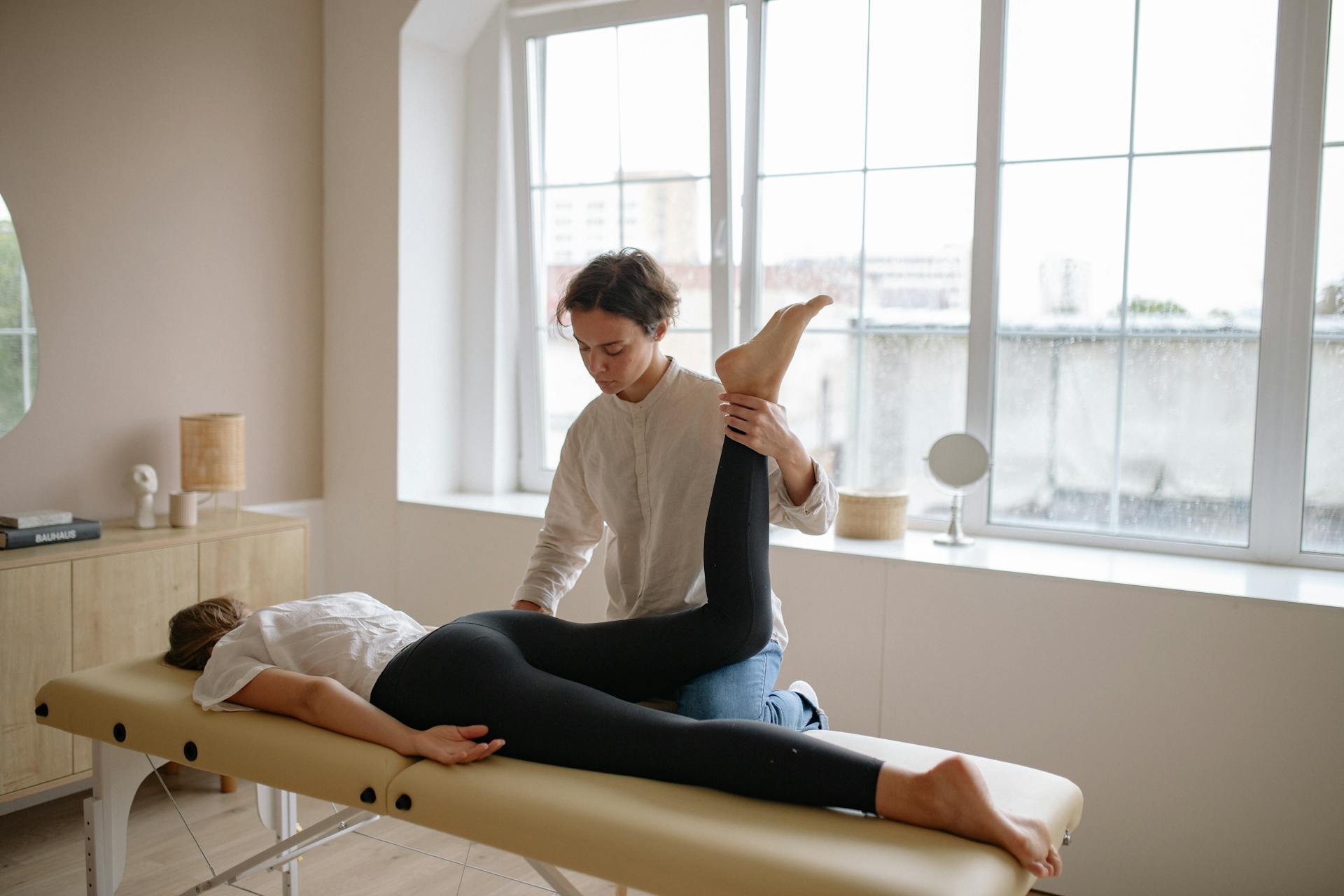
A woman’s pelvis goes through much change over the course of her life span. A women’s health physical therapist is trained to assist the body through these transitions. From incontinence, to pelvic pain, to prolapse, to low back pain and pregnancy/postpartum; a physical therapist is able to manage structural alignment, balance muscle tension, improve mobility of scar tissue and reeducate musculature for optimal function of the woman’s pelvis.

Either after childbirth or following menopause, women often struggle with bladder control, and are often told that they simply need to “do their Kegels.” What they are not told is that there is a correct and incorrect way to strengthen the pelvic floor muscles (or Kegel muscles). Additionally, a woman’s lack of bladder control may be caused by tension through the musculature that is limiting effective muscle coordination, not simply muscle weakness. No matter how many Kegels a woman does, if the musculature is the problem, her bladder control will not improve.

While the gift of children is immeasurable, pregnancy can take quite a toll on the body. Women often struggle with back pain, separation of the abdominal muscles, pain with intercourse and carpal tunnel symptoms. A women’s health physical therapist works with the patient to decrease muscle tension while strengthening the hips, abdomen and lower back to decrease pain and increase the woman’s ability to participate in all of her daily activities.

Pain through pelvis and lower abdomen can be quite disabling. Women’s health physical therapy has great outcomes for managing abdominopelvic pain associated with endometriosis or other pelvic inflammatory processes. Women’s health physical therapists work to improve tissue mobility through the myofascial system for optimal movement of pelvic organs and musculature.

A women’s health physical therapist will design an intervention program specific to your body’s needs. Almost all of the therapy session is hands-on, allowing the therapist to assess where mobility is lacking and where stability and strengthening need to be established. We only get one body. We will benefit from taking care of it and allowing it to function optimally.

Research Proves Acupuncture Reduces Stress

As health practitioners it is impossible to ignore the profound effects of stress on every symptom a patient may have. Sometimes if I don’t know what to do with a complex case, I’ll simply try and calm them down. It always helps. I recently commented to an acupuncturist colleague of mine: “I’d rather see a patient eating crap and happy, then a patient with an impeccable diet and loads of stress. I really think stress is the most critical factor to human health.” She emphatically agreed.

While it’s not really that simple–a poor diet can dramatically affect our mood–we need to search for ways that we can cultivate calm and peace in our frenetic lifestyles. If health and wellbeing is what we are after, then we must learn to manage stress as carefully as we manage our diet and exercise.

I recently came across a study by researchers at Georgetown University in 2013 that found acupuncture blocks the effects of chronic stress. Researchers caused rats stress by exposing them to winter-like temperatures for an hour a day, followed by needling a specific point (Stomach 36 or “Zusanli”). The results were interesting.

Researchers measured blood levels of hormones that affect the rats hypothalamus, pituitary gland and adrenals gland influencing the body’s reaction to stress, mood and emotion. They discovered that acupuncture blocks the release of hormones that lead to chronic, stress-induced states.

To read more about this study, click here.

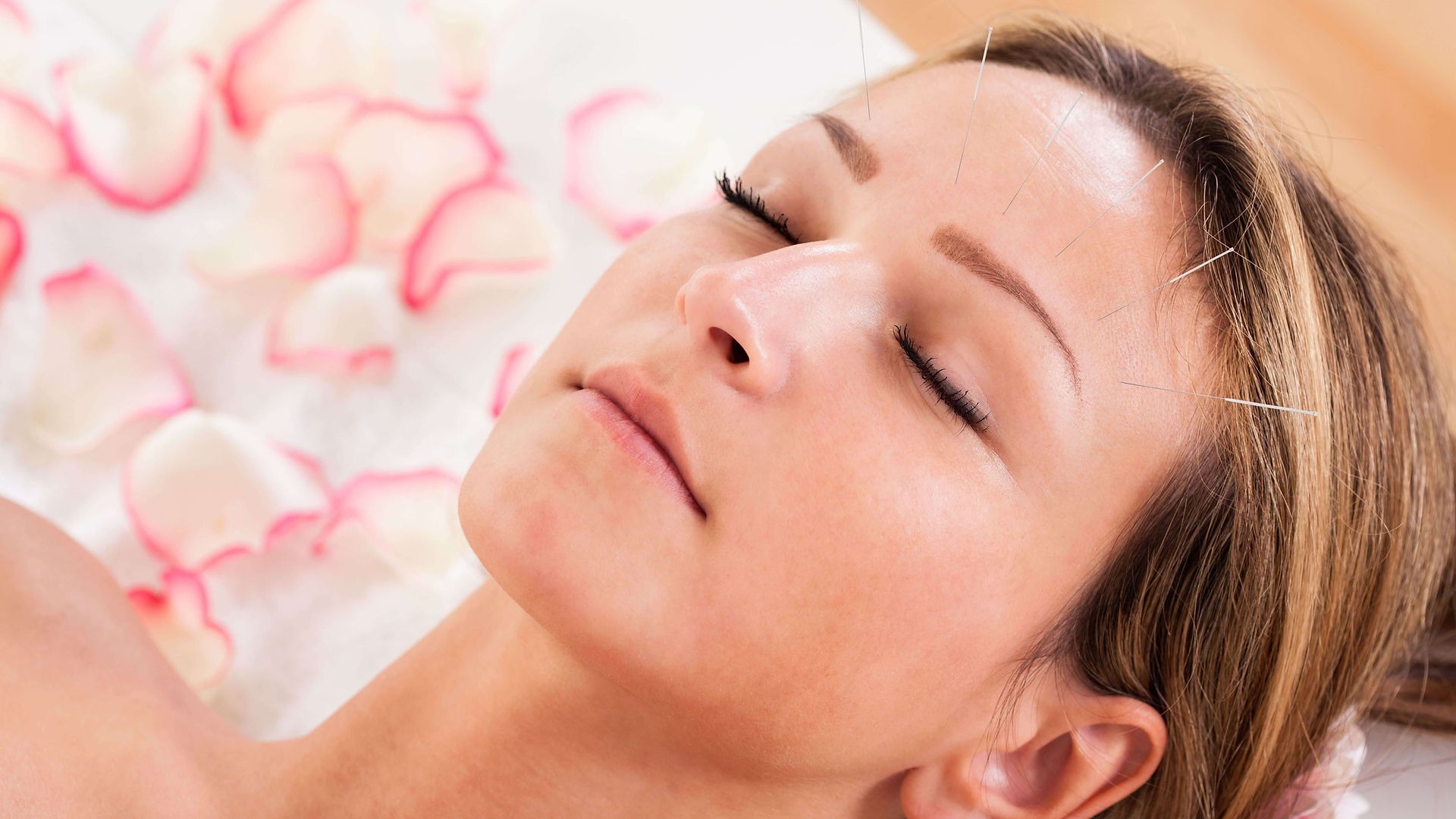
Many of our patients discover on their own the beauty of using acupuncture regularly to regulate the stress and anxiety that naturally builds up as a result of modern living. Some of them come in for knee pain, headaches, or TMJ, and almost everyone comments: “I felt so relaxed afterwards, and it lasted for several days.” Other patients get off of the long-term use of medications to reduce anxiety and depression.

If you haven’t tried acupuncture as a tool for balancing your mood and stress, I highly recommend it. It could become one of the critical tools that save your health.