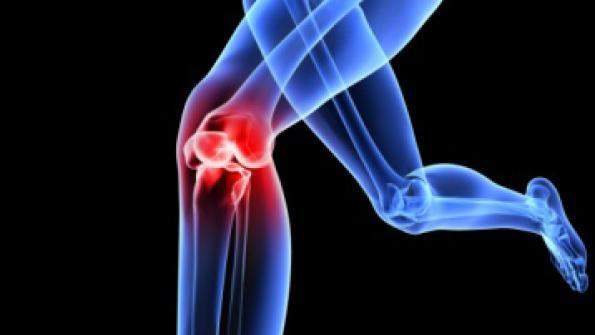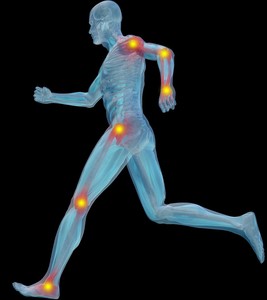

Wired & Tired: The Modern Epidemic of Adrenal Exhaustion

Do you wake up feeling tired, craving that first cup of coffee to get you going? Maybe you are having a hard time getting to sleep, or staying asleep? Or do you simply feel like you don’t sleep deeply, confirmed by your fitbit, which reports you are surfacing multiple times in the night? Worst of all, maybe you are being treated for hypothyroidism, but your fatigue never seems to go away.

If you resonate with any of the above, you could be suffering from what has become a modern epidemic: adrenal exhaustion.

Our adrenal glands produce hormones that help manage our energy levels, balance blood sugar levels, and help us to handle stress. These tiny glands that sit on top of our kidneys are part of a critically important biofeedback loop involving the hypothalamus, pituitary and adrenal glands (called HPA axis). This highly sensitive feedback loop manages our minute-by-minute daily responses to stresses that we face, from a cold virus we may be battling, to domestic arguments, to running late to work.

Under normal circumstances, our adrenal glands can handle the daily stresses that we face. However, if a person is under constant physical, mental or emotional stress for an extended period of time, the adrenals may become weak and unable to produce adequate amounts of critical hormones, especially a hormone called cortisol.

Cortisol levels increase to wake us up in the mornings, then gradually decline throughout the day so that we are tired when it is time to sleep. When stressed, our adrenals produce extra cortisol, which then activate the body’s physiological stress responses. These include increasing blood pressure, increasing the release of blood sugar or glucose into the bloodstream, acting as an anti-inflammatory, and increasing neurological activity.

Initially prolonged stress will cause the adrenals to produce excess cortisol. The excess cortisol levels circulating in the bloodstream can cause the “wired but tired” symptoms that many of our patients report: energy surges followed by crashes during the day and difficulty falling asleep and staying asleep at night. Over an extended period of time, however, cortisol levels overall will drop as the adrenals lose the ability to keep up. Paradoxically, the body will often respond to abnormally low levels of circulating cortisol with adrenaline. These adrenaline surges once again disturb sleep.

Low cortisol levels cause symptoms that include moderate to severe fatigue that may fluctuate at certain times of the day (particularly 2pm and 3-5pm), hypoglycemia, sugar or salt cravings, depression or moodiness, low blood pressure, recurrent infections & inflammatory responses, brain fog, and a decreased ability to manage or handle stress.

If you identify with some of these symptoms, you might wonder why your doctor never mentioned adrenal fatigue to you. Unfortunately, conventional medicine lab testing only recognizes abnormal cortisol levels in the two extremes–Cushing’s Disease (in which cortisol levels are extremely high) and Addison’s Disease (in which cortisol levels are critically low or nearly absent).

Usually doctors will end up testing for thyroid issues in patients who present with chronic fatigue symptoms. This can create one of two scenarios: a person may actually suffer from hypothyroidism, and start thyroid treatment. They may feel some improvement for a period of time, but have persistent adrenal exhaustion symptoms. Second, the person may have no conventionally diagnosed hypothyroid symptoms, and continue to suffer from symptoms that doctors fail to diagnose or explain. Often the person is told their symptoms are “in their head” and prescribed an antidepressant and/or a sleep aid.

Fortunately, in the world of functional or holistic medicine, adrenal fatigue is increasingly recognized and tested. Saliva cortisol testing can measure cortisol levels four key times during the day–morning, noon, evening, and night–which allows a doctor to tailor any treatment that might be needed.

A variety of natural adrenal supplements are used to treat adrenal exhaustion. In mild to moderate stages, vitamin supplementation and adaptogenic herbs such as licorice, siberian ginseng, and ashwagandha are commonly used. High doses of vitamin C at a ratio of 2:1 ascorbic acid to bioflavonoids are often recommended, together with pantothenic acid. For more advanced stages, it is usually best to work with a functional medicine practitioner or naturopathic physician, who might prescribe glandular extracts or even hydrocortisone. Lifestyle changes that help promote sleep, reduce overall stress levels, and encourage healthy exercise also are important.

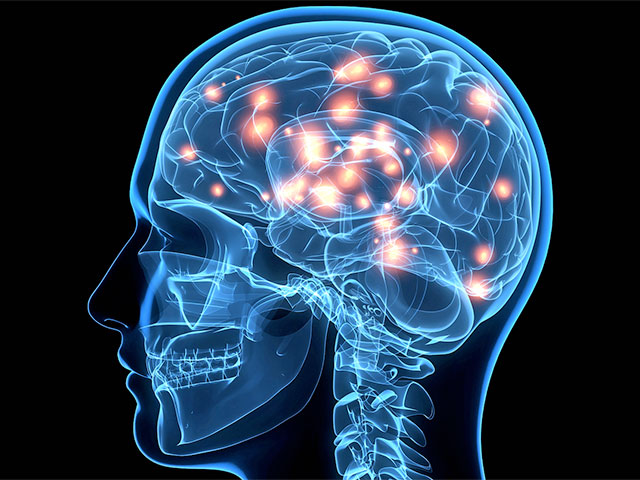
Craniosacral Therapy: Releasing Emotions and Pain

Craniosacral therapy (CST) is a gentle hands on therapy technique that helps to release tensions deep within the body to relieve pain, dysfunction, and stored emotion from our cells. Everyday we encounter stress and strains in our body through activity, poor posture, inflammation, emotional trauma and stress. Our body tries to compensate in numerous ways. This often causes our body tissues to tighten, which can distort the craniosacral system (our brain, spine and cerebral spinal fluid that runs through it) and result in restrictions to health performance. The tightening of our body tissues affects our bones and muscles, organs, nerves, blood and lymph flow, by pulling on the fascia that surrounds them, creating blockages and misalignments.

Fascia is the connective tissue surrounding our whole body. Think of the clear coating around the meat of chicken. This is the fascia. When we get tightness or limited functioning in one area of our fascia, it pulls on the whole sheet, like a wrinkle, creating blockages throughout the body. This also contributes to misalignment in the skeletal system by pulling the muscles in one direction or another, which creates a ripple effect throughout the entire body, and ultimately pain and dysfunction. Craniosacral therapy (CST) works by using a gentle touch to allow the body, with its own inner wisdom to correct itself of dysfunction, to undo the ripples to help the muscles, fascia and bones come into correct alignment and function.

We all know that when we have an accident or fall, or have some kind of misalignment, we feel physical pain. However, chronic physical pain can also be caused by stored emotions. These can be emotions from everyday stress, emotional abuse, or emotions one was feeling during an accident or event, such as the fear in a car crash. Over time if our emotions are ignored or are not fully released, they get stored in the cellular memory of our body and can end up showing up as pain. In yoga, when stretching the hips, they often warn of emotions or tears that may come up for no reason. This is from releasing somatic emotional memory. Neck, back, jaw and hip pain often have emotional components to it, as do chronic headaches or organ dysfunction. Negative emotions run through our bodies causing tightness. Positive emotions run through our body causing lightness. When our bodies are continually tight or lacking energy, there is usually an underlying emotional component such as stress, frustration, difficulty letting go, sadness or anger.

CST works to relieve emotions from the body as well as physical pain through somatic emotional release. This is a therapeutic process that helps rid the mind and body of residual past trauma associated with negative experiences. Joint research efforts by Dr. John Upledger (the founder of CST) and biophysicist Dr. Zvi Karni led to the discovery that the body often retains (rather than dissipates) physical forces, and often the accompanying emotional energy, triggered by physiological, psychological, emotional or spiritual trauma.

As the body heals, it can isolate or wall off this energy into what is called an “energy cyst”. Although the body can initially adapt to the presence of energy cysts, eventually the body weakens or tires of this accommodation and can develop symptoms of pain, dysfunction or emotional stress. So lets say, for example, you were injured in an accident and had a fall or blow to your head and/or shoulder. Or you got emotionally hurt from hearing something or from an argument. The energy from the impact or situation can get lodged in your body. So while you went through therapy and maybe surgery, you are still left with continual pain. This could be from the energy of the impact, or energy cyst, that did not get released. And because we are dealing with fascia, which connects everything in the body through one sheet, a blow to the knee could ripple its way up to cause shoulder pain. CST works to relieve the wrinkles throughout the body and relieve the energy trapped in the cells for better emotions and decreased pain.

Stress works the same way. Often times stress comes from our nervous system being on high alert. This leads to parts of our brain being on high alert, causing our cranial nerves to be on high alert, which then impacts jaw clenching, tight neck muscles, shallow breathing and possibly digestive issues – all from cranial nerves sending the wrong message. CST works on these neural components, allowing the body to feel a new story of ease and rewire to calm so the organs and muscles can let go of dysfunction and begin to function with proper health again. CST helps alleviate pain from the body, the mind, and the spirit, therefore helping to restore balance to mind-body-spirit and helping to create a new story of health.

Six Ways to Maximize Brain & Mood Health

Depression and anxiety are an epidemic in America. In fact, depression is a leading cause of disability worldwide! The World Health Organization has estimated that by the year 2020, depression will be the second largest cause of suffering–next only to heart disease.

What is equally disturbing are research reports that reveal taking antidepressants are in many cases no more effective than a placebo, and in some cases exceedingly dangerous and even lead to suicides. Researchers in Boston, for example, looked at more than 136,000 women between the ages of fifty and seventy-nine, and discovered a clear link between those who were using antidepressants and their risk for strokes and death in general. (To view the study click here.)

The good news is that increasingly alternative medical research is uncovering dietary measures, supplements and lifestyle habits that can either manage or reverse depression and associated mood states such as anxiety, obsessive-compulsive disorder, attention deficit, and bipolar disorder. Neurologist Dr. David Perlmutter is at the forefront of this research and has authored two critically important books: Grain Brain and Brainmaker.

We get a number of patients at DCA hoping to either wean themselves off of antidepressants and other mood-regulating medications, or use acupuncture as a tool for managing symptoms. Acupuncture works well to help people get off of medication and manage symptoms if patients can commit to coming in on a regular basis. However, if you’d like to eventually reverse your symptoms for good, here are a few of our top suggestions:

1) Avoid Gluten & Grains. People with depression and other mood disorders often suffer from digestive symptoms. Many stu​dies for example have shown a direct correlation between sufferers of celiac disease–an autoimmune illness that attacks the intestinal lining–and neurological disorders, including an 80% higher risk of depression and a 55% increase in risk of suicide. An astonishing 80% of serotonin, our “feel-good” neurotransmitter, is actually located in the gut, and only 20% in the brain. So it makes sense that digestive issues would directly affect mood.

You don’t have to be diagnosed with celiac to suffer from gluten sensitivity and leaky gut syndrome. An estimated one in four Americans suffer from gluten sensitivity, which may or may not manifest with gastrointestinal symptoms at all. There are a number of neurological symptoms associated with gluten sensitivity and these include: ADHD, alcoholism, autism, brain fog, depression, anxiety, and migraines to name a few. All grains–including non-gluten–however are disruptive to gut function (and therefore mood). Have a read through Grain Brain to learn more.

2) Eat a Diet Rich in Saturated Fat & Cholesterol. Yes. You heard me right. High levels of dietary fat (the good kind, no trans fats) have been proven to be key to health and peak brain function. Get this: the brain holds only 2% of the body’s mass but contains 25% of the total cholesterol. One-fifth of the brain by weight IS cholesterol! Cholesterol and saturated fat are crucial components of the myelin coating around the neuron cell (brain cell), allowing quick transmission of information. Cholesterol is essential for a myriad of functions in the body, from cell membrane integrity to sex hormone production, and its removal from the modern diet has been probably the single greatest crime in the history of the modern Food and Drug Administration (FDA) and conventional medical establishment.

But don’t take my word for it. Innumerable studies have demonstrated that depression runs much higher in people who have low cholesterol, and diets low in saturated fats. Read Dr. Perlmutter’s books and enlighten yourself; if you can find a copy of Swedish medical researcher Uffe Ravnskov’s The Cholesterol Myths it will also help explain the greatest medical fallacy of our time. Our low fat and high carb diets have made us sick, mentally ill, and paved the way for early deaths. So eat your butter, eggs, and pork lard, and feel better for it!

3) Take DHA/EPA (fish oil). For the past several decades scientists have been aggressively studying this critical brain fat for good reason. More than two-thirds of the dry weight of the human brain is fat, and of that fat, one-quarter is DHA! This is because DHA is an important building block for the membranes surrounding brain cells, particularly at the synapses, which is where efficient brain function occurs. In addition, DHA is an important regulator of inflammation; it reduces the activity of an enzyme which turns on the production of damaging inflammatory chemicals. Take 1000mg daily for optimal brain health.

4) Try taking supplements containing GABA & L-Theanine. GABA is an amino acid used abundantly as an inhibitory neurotransmitter in the brain. GABA helps induce relaxation and sleep, and assists the brain to maintain balance while in a state of over-excitation. For this reason, it is used extensively in supplements aimed at treating both depression and anxiety. Individuals suffering from GABA deficiency tend toward states of anxiety, stress, depression and nervousness.

L-Theanine is often combined with GABA. Also an amino acid, it is found naturally in green tea. Similar to L-Tryptophan, L-Theanine stimulates alpha brain waves–electric pulses that accompany states of deep relaxation and mental focus. It is used in the formation of GABA; whereas GABA taken orally has difficulty crossing the blood-brain barrier, L-Theanine easily crosses over. The two compounds together are said to work synergistically.

Here at DCA we sell several quality supplements containing GABA and L-Theanine that can be tried in place of antidepressants and anti-anxiety medication.

5) Supplement with Zinc and Vitamin D. In addition to aiding the immune system and keeping the memory sharp, zinc is critical for the production and use of mood-friendly neurotransmitters. And vitamin D–more a hormone than a vitamin–has long been shown to contribute to depression in medical literature. Adequate vitamin D is needed by the adrenal glands to help regulate an enzyme necessary for the production of critical brain hormones that play a role in mood, stress management, and energy. Take 5000 IU of vitamin D daily for a few months and then have your doctor test you. Ideally you want to hover around 80ng/mL. Once you have achieved that zone, you should take about 2000 IU per day.

6) Get good sleep! Both laboratory and clinical studies have shown that virtually every system in the body is affected by the quality and amount of sleep we get, especially the brain. Sleep can dictate: how much we eat, how fast our metabolism runs, how fat or thin we get, whether we can fight off infection, how creative and insightful we can be, how we cope with stress, how quickly we process information and learn, and how well we organize and store memories. Getting the right quality and amount of sleep has a powerful effect on our mood due to its vitally important effect on the regulation of hormones, and studies have additionally shown a relationship between disrupted sleep and cognitive decline.

Clinical Study: Acupuncture Effective for Depression and Anxiety

In a German university study conducted in March 2000, Eich and colleagues conducted a placebo-controlled, randomized, double-blind study involving 43 people with mild depression and 13 patients with generalized anxiety disorder. In the patients treated with verum (real) acupuncture, 60.7% experienced significant improvement in overall rating scores following 10 sessions. An even higher response of 85.7% was recorded among the group with anxiety disorder.

Notably, no improvement was reported after 5 sessions, but significant improvement occurred after 10 sessions. This illustrates the cumulative effect of acupuncture on mood, and the necessity for patients coming in specifically to treat mood-related issues to commit to a series of treatments.

To learn more about the study, click here.

Emotional and Physical Pain: Are They Inextricably Connected?

Many years ago (if I will admit my age it was probably sometime in the early 1990’s), one of my frequent reference books was called You Can Heal Your Life by Louise L. Hay. Some of you might remember it too. It hit the New York Times Bestseller list in 1988 after she was invited to appear on the Oprah Winfrey Show.

In the book, Louise talks about her journey healing from breast cancer using the power of positive thought. She goes into a troubled childhood and the thought processes that emerged. It was her belief that her negative self-thinking had created (or at least greatly contributed to) the cancer.

My favorite part of the book was the reference section at the back. In a neat three-column easy-to-locate format, it listed either a disease or a body part associated with a disease, followed by the negative thought pattern or emotion that had supposedly created the condition, and concluded with the positive affirmation meant to reverse it. It became family entertainment to leaf through the book when suffering from a physical affliction of one kind or another (i.e. a splintered toe, a burned finger, an infected tooth, or a bloated belly) and see what the mind-body connection was.

So do these types of connections really exist? In my experience as an acupuncturist I think they do, although I can’t get as specific as Louise when it comes to figuring out the emotion connected to the illness.

Over the years, as I have worked with patients, it is not unusual to place needles in a person only to have them start seeping tears of pent-up emotional release that seem to bring even greater relief than the needles. Working with the human body on a daily basis, one has to be constantly aware of what might lurk under the surface of pain and injury. And yet the beauty of acupuncture lies in its simplicity and in its intense privacy…The patient is there breathing and communing with his or her own body, even if he or she doesn’t realize it. The body in its infinite wisdom receives the release from the needle, and not only does the muscle, tendon, bone or tissue relax, but so can the emotional tension underneath.

Some years ago, in another phase of self-exploration and seeking to sort out the troubles of my own youth and young adult life, I delved deep into The Presence Process, by Michael Brown. In the mid-1990’s the South African author suddenly began experiencing excruciating migraines on a daily basis. Unable to find relief from conventional or alternative medicine, he embarked on a quest that eventually took him into South America and a medicine man through which, with a little help from the peyote plant, he found relief in what he called “the present moment”.

It took Michael several years of experimentation to maintain “present moment awareness” using exercises connecting his breath with physical sensations and contemplative questions. Over the course of this time, Michael not only cured himself of his migraines, he discovered–or so he claimed in his book–that physical pain and emotional pain were one and the same, energetic experiences along a continuum. He talked about physical pain as a great teacher, in that it called awareness to an energetic place in the body that was in need of emotional or spiritual healing. And healing itself, he said, was nothing but bringing intense present moment awareness into the place of pain.

Sometimes I tell people that the greatest gift of acupuncture is that you come to sit in a dark room, listening to calming music or ocean waves on a sound machine, are gently pinned to the chair or table…and then there’s nothing but you and your inward experience of your body for a whole glorious 45 minutes. Where else do we get to consciously experience that in our busy, stressful modern lives? The needles draw your attention into your body, the breath moves rhythmically, and the magical release starts to happen.

The Present Moment.

And if you wanted to get specific, you could dig out your pocket book with Louise’s handy reference afterwards, and figure out how to talk to yourself in a new way.

Collagen, Vitamin C & Astaxanthin: Recipe for Maximum Joint Health

Summer’s here, and many of us are outdoors exercising more than ever! For some of us, this might mean an increase in soreness, achiness, or outright pain in joints that are slower to adapt to the increased stress. What can we do to support our joints?

Most of us are familiar with the most common joint health supplements: glucosamine, MSM, omega-3 fatty acids, and turmeric, to name a few. These supplements can be very helpful in supporting joint mobility and relief from pain caused by inflammation. Less well-known are two supplements that may be considered the “backbone” of our joints: vitamin C and collagen.

Collagen and Joint Health. Collagen is the most important protein in connective tissue, skin and bones; you have more collagen in your body than any other type of protein. Collagen is essential for skin, hair, nail, bone and joint health. Collagen is stronger than steel wire, and together with an elastic-like substance called elastin makes up the connective tissue that holds you together!

Collagen makes up 30% of bone, 75% of skin, and up to 90% of tendons and ligaments. Starting at age 21, collagen production begins to diminish. By age 40, individuals lose approximately 1% of their collagen every year. The damaging effect on bones and joints can be clinically measured.

So how does collagen impact your joints? The joints in your body that can move are called synovial joints, and the connective tissue that holds them together and lubricates your cartilage is called synovial fluid. Both the joint and the fluid are made of connective tissue, which is in turn formed from collagen.

The best way to support collagen in the body is to consume it! Collagen is mostly found in the tendons, hide and “odd bits”/tougher cuts of beef that contain a lot of connective tissue. These are the parts of animals that our ancestors ate, but that we typically throw away today.

Many people today eat collagen in the form of gelatin. In other words, people rarely eat skin and tendons raw; they cook them. Cooking collagen transforms it into gelatin–it’s the gooey, sticky, gelatinous substance that forms when we stick our chicken soup into the refrigerator for a while.

There are an increasing number of studies showing that taking collagen in the form of gelatin or collagen supplements can benefit a wide variety of degenerative joint issues. Here’s one study that demonstrates the benefit over a 70-day period in improving osteoarthritic symptoms with regular consumption of collagen.

Some of the best sources of collagen include bone broths, gelatin derived from beef hide, and collagen supplements. There are a wide variety of collagen supplements now available. At DCA we carry a line of high quality products, including Collagen peptides and Matcha Collagen by Vital Proteins, Arthroben by Designs for Health, and RegeneMax by Xymogen.

Antioxidants and Joint Health. Many people are less familiar with the importance of supporting joint injury recovery and joint health maintenance with daily antioxidant supplementation. What are antioxidants? Antioxidants are critical biological compounds that fight pollutants causing free radical damage in the body, thus decreasing the body’s inflammatory response. It is chronic inflammation in the body that contributes greatly to joint degeneration, pain, and reduced mobility. In this article we will look at two potent sources of antioxidants: vitamin C and astaxanthin.

Vitamin C and Joint Health. We just learned that collagen is the most abundant protein in the body, and that it comprises our bones, skin, connective tissue, and synovial fluid (for joint mobility). What many people don’t know is that vitamin C is essential to the production of collagen. This means that without vitamin C, you would literally fall apart!

Most animals biologically produce vitamin C in high amounts, usually between 3000 and 10,000 mg/day. Humans, on the other hand, do not product vitamin C–we must consume it daily through our foods and or vitamin supplements. The recommended RDA for vitamin C is 90 mg for men and 75 mg for women! This is roughly 100 times less than what animals naturally produce! We can usually get the bare minimum of what we require to prevent a dietary deficiency through the foods we eat. However this is no where close to what our bodies actually need for maximum health. So what amount should we be consuming? The answer lies in our mammalian friends: 3,000mg/day when healthy, and up to 10,000mg/day when sick.

What else do we know about vitamin C? It is one of the most potent anti-infectious agents in the body, and a critical antioxidant. This becomes significantly important when we are trying to reduce or prevent the development or progression of arthritic inflammation. The synovial fluid in your joints isn’t just a lubricant; it is antibacterial, and your body uses it to fend off diseases like arthritis. Thus, adequate intake of vitamin C is critical for the prevention of degenerative joint disease.

I am sometimes asked which type of vitamin C I recommend. I personally prefer to get my nutrition from food sources as far as possible. Sourcing your vitamin C from raw whole food compounds high in naturally occurring bioflavanoids brings you as close as possible to vitamin C straight from nature, such as Garden of Life’s Raw Vitamin C. Another quality source is C Guard by Perque (available online), a blend of four mineral ascorbates that are easily absorbed. Available as a powder, the Perque product is easy to consume in higher quantities.

Astaxanthin: Nature’s Most Powerful Antioxidant. As long as we are talking about antioxidants and the reduction of inflammation, if you haven’t heard of astaxanthin you are missing out on an important opportunity to protect your joint health and maximize recovery from injury without the use of anti-inflammatory medications!

Astaxanthin is a naturally occurring carotenoid–the class of compounds that give foods their vibrant color, and act as powerful antioxidants in the body. In fact astaxanthin–most abundantly found in marine microalgae, krill, shellfish and salmon–is now thought to be the most powerful antioxidant on the planet.

As far as free radical scavenging goes, astaxanthin is 65 times more powerful than vitamin C, 14 times more powerful than vitamin E, and 54 times more powerful than beta-carotene (found in carrots). Significant to joint health and in particular to synovial fluid, astaxanthin is soluble in lipids (fat molecules) so it incorporates into cell membranes.

In fact, there have been a number of very promising clinical studies testing astaxanthin and its effect on four common inflammatory joint complaints, including tennis elbow, carpal tunnel syndrome, rheumatoid arthritis (RA), and post-exercise joint soreness.

Tennis Elbow: A study by the Health Research and Studies Center involved giving tennis elbow sufferers an eight-week course of astaxanthin. The treatment group showed a 93 percent improvement in grip strength, as well as decreased pain.

Carpal Tunnel Syndrome: A study by the above group found eight weeks of astaxanthin supplementation resulted in significant pain reduction, both in terms of severity and duration, leaving researchers concluding that astaxanthin might be a viable alternative to surgery.

Rheumatoid Arthritis: After receiving astaxanthin for only eight weeks, RA sufferers showed a 35 percent improvement in pain levels, as well as a 40 percent improvement in their ability to perform daily activities. The study was reported in the Journal of the American College of Nutrition in October 2002.

Post-exercise joint soreness: In 2001, Dr. Andrew Fry of the University of Memphis studied the effects of astaxanthin on healthy people who trained with weights and who would typically experience exercise-induced joint soreness. He gave young male subjects astaxanthin for three weeks, while they performed strenuous workouts, and then evaluated them for knee pain. The placebo group experienced post-training knee soreness, lasting up to 48 hours after their workouts. But the treatment group showed no increase whatsoever in knee joint soreness following workouts.

To learn more about astaxanthin and its extraordinary effect on keeping inflammation down, here is an excellent article.

Clinical Study: Acupuncture Effective for Knee Pain

Researchers at the Hong Kong School of Traditional Chinese Medicine demonstrated improvement in chronic knee pain due to osteoarthritis in just 6 treatments over a 2-week period. Forty participants with roughly equivalent scores in knee pain in both a neutral, non-active state and when climbing stairs, received specific acupuncture knee protocols three times a week for two weeks.

Conventional acupuncture treatments were compared with treatment that combines two points deep-needled alongside the patellar ligament, including the addition of electroacupuncture. Researchers found that deep-needling these two points resulted in significantly greater post-treatment results than more conventional acupuncture treatments that utilize points around the knee.

To learn more about these powerfully-effective acupuncture points, check out this article that discusses both the study and the points.

To read the full clinical study, click here.

How Chiropractic Heals Your Joints…and Your Health

When striving for either decreased pain or optimal health having healthy joints can play a serious role. In addition to improving the ability to exercise, keeping joints healthy can help improve circulation and posture. In this article we will look at the correlation between joint health, exercise, posture, and circulation. We will also discuss a couple things that you can do to help your body maintain healthy joints.

First, if you have arthritis (inflammation of a joint) it will be painful to move or bend that joint. If the joint in question is weight bearing than it will obviously be more difficult to exercise because of pain. This becomes a “catch-22”, as we know that exercise is a very important factor to achieving optimal health, and can also play a role in pain reduction.

If you have degeneration or inflammation in the spine it will affect how the body holds and distributes weight. When the joints in the spine in the area of the low back are either locked up (it will feel like stiffness) or have mild to severe degeneration (which can create pain) than motion and alignment will be affected. This change in alignment and weight distribution in turn create further degeneration and inflammation, resulting in a downward spiral.

Joint health can also affect circulation. When you have unstable or misaligned joints the body will work, through muscle contraction, to lock down a joint. This “lock down” will decrease circulation to the area because the tissue will be too tight to allow blood to easily flow to or away from the tissue. The circulatory system is designed to bring nutrition to cells and remove waste products. If there is reduced circulation it is easy to see how the cells will suffer from lack of nutrition and a build-up of toxins.

As you can see, it can be very important to maintain the functionality of the joints of your body. The result of ignoring degenerative changes will not only be poor joint health, but will make it harder for your body to heal.

There are a variety of things that you can do to maintain motion, flexibility and alignment in your joints. Yoga is one practice that helps keep muscles strong and joints flexible. Chiropractic is a profession well known to address pain and alignment of the spine and extremities. Most chiropractors can help with alignment and fixation of joints; there are many cases that have seen a slowed progression of degeneration under chiropractic care. Finally, there are a myriad of supplements that one can take to support joint health, such as Omega-3 essential fatty acids, and glucosamine chondroitin.

Between good exercise, proper alignment of the spine and other joints, good posture, and increased circulation your body will have a much better chance to recover from injury and heal.